By Our Correspondent
National News – The Federal Government of Nigeria has renewed its partnership with the International Labour Organisation (ILO) to advance decent work, social justice, and robust labour governance across the country.
Permanent Secretary of the Federal Ministry of Labour and Employment, Mr. Salihu Usman, highlighted that this collaboration has consistently supported Nigeria’s efforts to enhance occupational safety, strengthen labour administration, and implement international labour standards.
Usman emphasized that the resumption of regular coordination meetings with the ILO reflects the strategic importance of aligning national labour policies with global best practices.
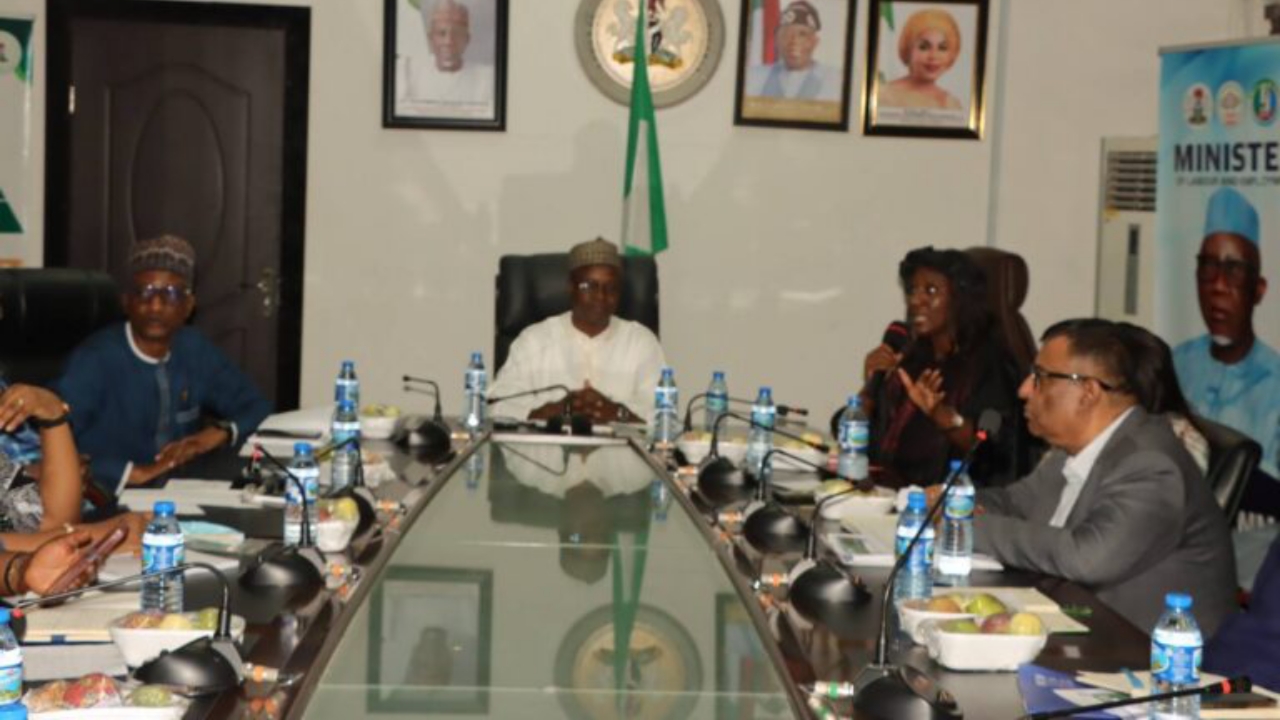
During a recent meeting in Abuja, key challenges in Nigeria’s labour sector were outlined, including youth unemployment, skills shortages, growth in the informal economy, labour migration management, workplace safety, social protection gaps, and child labour concerns.
Usman stressed that addressing these issues requires strong institutions, coherent policies, and effective technical collaboration with development partners like the ILO.
The meetings aim to align ministry departments with the ILO’s country programme priorities, improve information sharing, reduce duplication, and establish clear roadmaps with defined responsibilities and timelines.
ILO Country Director Vanessa Phala reaffirmed the organisation’s commitment to supporting Nigeria’s labour sector through policy alignment, sustainable employment initiatives, and technical assistance.
She noted that the collaboration ensures that initiatives reflect both ministry and government priorities under President Bola Tinubu’s renewed hope agenda.
The meeting also offered a platform for strategic coordination among government bodies, workers’ organisations, employers, and other stakeholders, fostering cohesive labour sector reforms nationwide.
This strengthened partnership promises to enhance professional capacity, protect vulnerable workers, and provide practical solutions to emerging labour challenges in Nigeria, while promoting international labour standards and social justice.