By Our Correspondent
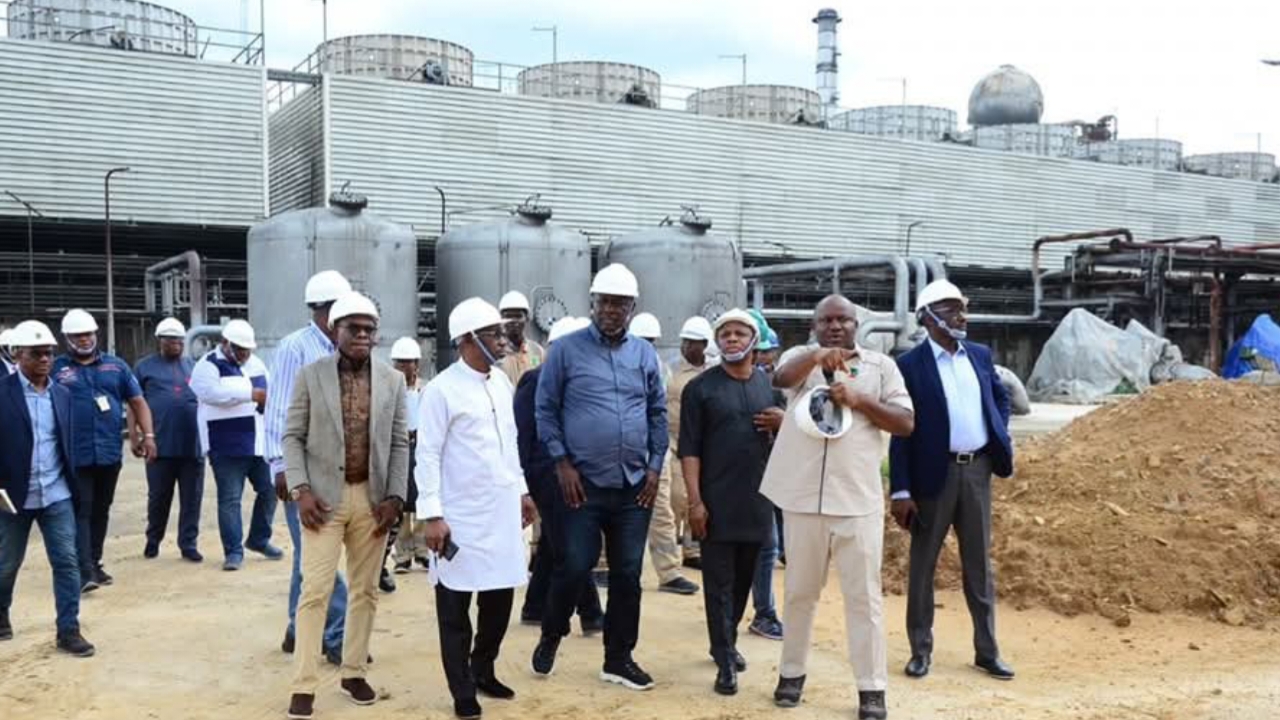
National News – A fresh wave of criticism has trailed the troubled Port Harcourt Refinery, as the Movement for the Survival of the Izon Ethnic Nationality in the Niger Delta (MOSIEND) declared the facility a “bad omen” and demanded its immediate sale to private investors.
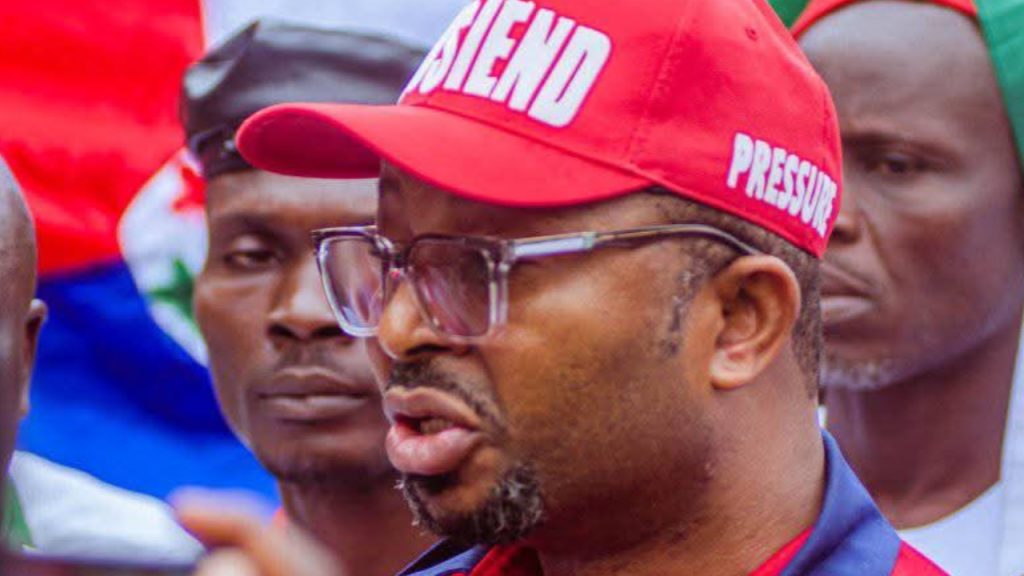
In a strongly worded statement signed by its President, Amb. Kennedy West, the group accused successive administrations of turning the refinery into a “conduit pipe” for siphoning public funds, despite repeated promises of rehabilitation.
The statement alleged that billions of naira have been spent over the years on turnaround maintenance, with little or no tangible result to justify the investments.
It says it now understands why former vice president, Atiku Abubakar, was calling for the sale of the refinery.
MOSIEND argued that each new government raises public hopes around reviving the refinery, only for such promises to collapse without visible progress.
It further said that claims of resumed operations at the refinery were misleading, noting that the facility remains largely inactive.
MOSIEND also dismissed claims that the Federal Government is deliberately marginalising the Niger Delta by prioritising infrastructure in other regions.
According to the group, many of the abandoned or underperforming projects in the region have been managed by Niger Delta indigenes who failed to deliver on their mandates.
The group specifically questioned the roles former Minister of State for Petroleum, Timipre Sylva, and the current minister, Heineken Lokpobiri, played in bringing the project back to life, apart from giving Niger Deltans false hope whenever they visited the facility.
“You’d recall that in August 2023, Heineken Lokpobiri went to that place with NNPCL executives and told Nigerians that work was ongoing to bring the Port Harcourt refinery to life, and assured that by December of the same year, the facility would come back on stream.”
“Prior to that, Timipre Sylva had done the same thing when he was Minister of State for Petroleum Resources, promising that the refinery would start operation in no time,” the statement said.
MOSIEND accused both of them of making promises without delivering functional outcomes, saying that if anybody should be blamed, it should be the people of the Niger Delta who are playing politics with critical assets situated in the region.
“Even though the ministers of state are not the ones controlling the budget, at least, they are in a position to know the ills going on around that project to correct it.”
“For Timipre and Heineken, I am not accusing them of siphoning money through the turnaround maintenance because it is the responsibility of NNPCL, which they don’t have much influence over because of the structure. NNPCL takes directives from the substantive minister, not them, which was the issue that Ibe Kachikwu had with Maikanti Baru, the GMD of NNPCL.”
“We know the two people controlling budget in the ministry are the substantive minister and the group chief executive officer of NNPCL, and of course the Minister of State is just like PA or SSA to the substantive minister.”
“But recall Diezani Alison-Madueke was there as minister. What was the benefit to the Niger Delta people.”
“Timipre Sylva came, and now Heineken Lokpobiri, even though they are Ministers of State, at least, it was on record that there’s no substantive minister overseeing them. Has this translated into any meaningful blessing to the people of the region? No refinery or LNG facility has been built in Bayelsa State to strategically position it in the industry – just like Port Harcourt and Warri refineries, even though the state has all it takes to establish such a facility.”
“Rotimi Amaechi was Minister of Transportation; he could not build a new seaport in Port Harcourt, Bayelsa, Warri, or Akwa Ibom, or upgrade the Calabar seaport to a productive and vibrant state that can generate increased IGR.”
“If he can conceive a railway to Niger Republic and achieve it, why would he not achieve the upgrading of the Port Harcourt NPA port by expanding it? After all, NPA was competing very well with Tin Can Port and Apapa Port. All that port needed was expansion.”
“So for 8 years, what is his legacy project as minister from the Niger Delta region? He was the president’s right-hand man, so what did he do with those privileges to bring development to his region?”
“Many of the past and present public office holders from the Niger Delta, including former Petroleum Minister Diezani Alison-Madueke, former Minister of Transportation Rotimi Amaechi, Sylva, Heineken Lokpobiri, and the rest of them, have made little or no impact in the region despite holding influential positions and overseeing significant budgets.”
“When Amaechi was a minister, for 8 years, he was prioritising projects outside the region, and that’s what most of our people are doing.”
“Today, Amaechi is the one speaking against the government of the day. What moral justification does he have to speak against President Bola Ahmed Tinubu? He is even worse than the people he is criticising.”
“Dakuku Peterside claimed to have trained 1,000 youths in the maritime programme — which was an exaggeration. How many of the claimed trainees did he create employment for in the sector?”
“Rather, he ended up frustrating the few Niger Deltans who had risen up the chain of command, pushing them out of the system or having them demoted.”
MOSIEND further referenced former maritime administrator Patrick Akpobolokemi, noting that while the establishment of a maritime university was commendable, broader sectoral benefits to the region remained limited.
Describing the Port Harcourt Refinery as outdated and economically inefficient, the group argued that its production capacity does not justify the scale of public funds committed to its revival.
It insisted that continued government spending on the facility amounts to waste.
“The refinery has outlived its usefulness in its current state. Government should either sell it outright or stop deceiving Nigerians with endless rehabilitation claims,” the statement said.
“It is outdated and too small for the kind of billions the government claims it is investing to revive it.”
“How many barrels can it even produce per day? They should just sell it or forget about it. No government should come again to tell us they are putting money into that refinery to revive it.”
“Interestingly, MOSIEND was one of the frontline groups who strongly resisted the call for the sale of the refinery by Atiku Abubakar and other Nigerians.”
MOSIEND also called on the Economic and Financial Crimes Commission (EFCC) to launch a comprehensive probe into all contracts and financial allocations tied to the refinery’s rehabilitation.
It urged anti-corruption authorities to investigate both government officials and private contractors involved in the project.
“That refinery has become a conduit pipe for governments to siphon money, so the Economic and Financial Crimes Commission (EFCC) should probe those involved in the award of these funds for the Port Harcourt Refinery, and the contractors should also be investigated for corruption and theft,” the statement said.
The group maintained that accountability remains critical to restoring public trust, warning that failure to act could further deepen disillusionment among Niger Delta communities.