By Our Correspondent
National News – The Nigeria Centre for Disease Control and Prevention (NCDC) has placed 10 states on alert over a potential cholera outbreak following forecasts of heavy rainfall and flooding.
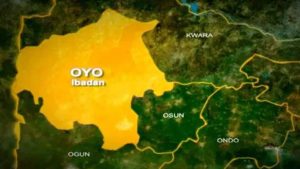
The warning, issued on April 15, 2026, highlights Adamawa, Enugu, Kaduna, Kogi, Niger, Osun, Oyo, Plateau, Taraba, and Kwara as high-risk areas.
According to NCDC Director-General, Jide Idris, the alert is based on projections from the Nigerian Meteorological Agency and the Federal Ministry of Environment, which indicate intense rainfall between April 13 and 17.
The agency explained that flooding could contaminate water sources and disrupt sanitation systems, creating ideal conditions for cholera transmission.
Historically, Nigeria records a surge in cholera cases during the rainy season, especially in communities with limited access to clean water and proper waste disposal.
Early surveillance reports already show a rise in infections across some states, raising concern among health officials.
Beyond cholera, the NCDC warned of increased risks of diarrhoeal diseases and mosquito-borne infections such as malaria.
Floodwaters often create breeding grounds for mosquitoes, compounding public health challenges.
Residents in affected areas may also face injuries, including drowning and snakebites, while access to healthcare services could be disrupted, particularly in rural communities.
To curb the potential outbreak, the NCDC urged residents to adopt preventive measures, including drinking safe water, maintaining proper hygiene, and avoiding contact with floodwaters.
The agency also emphasized the importance of seeking immediate medical attention if symptoms such as diarrhoea or vomiting occur.
State governments and local authorities have been advised to intensify environmental sanitation efforts, clear drainage systems, and strengthen public health awareness campaigns.
The NCDC is collaborating with state ministries of health to enhance surveillance systems and ensure rapid response mechanisms are in place.
Experts note that recurring flooding, driven by climate variability and poor infrastructure, continues to fuel disease outbreaks in Nigeria.
They stress that early intervention, improved sanitation, and community cooperation remain critical to preventing avoidable illnesses and deaths in the coming weeks.