By Our Correspondent
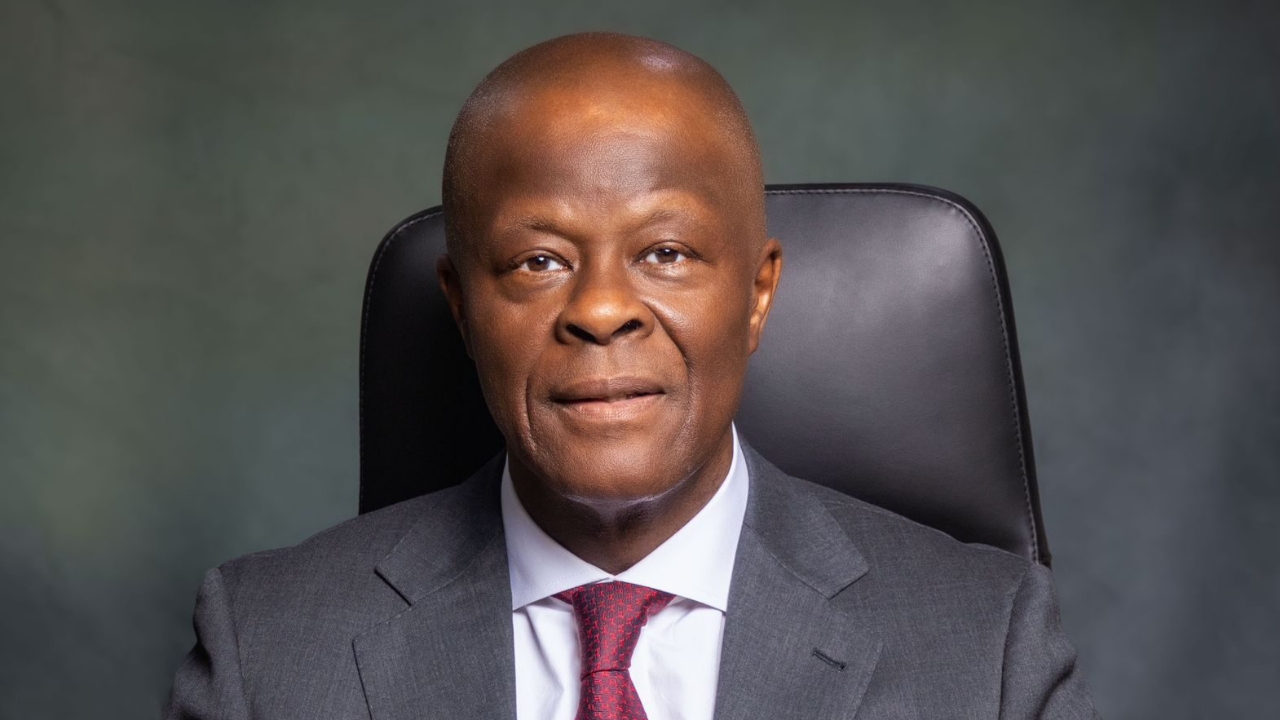
National News – Wale Edun, Nigeria’s Minister of Finance and Coordinating Minister of the Economy, has warned that aggressive interest rate hikes could weaken economic reforms.
He spoke on April 15, 2026, in Washington, D.C., during a G24 press briefing held alongside meetings of the International Monetary Fund.
Edun explained that while central banks act to curb inflation, excessive tightening risks slowing growth and disrupting ongoing reforms.
He noted that developing economies, including Nigeria, face mounting global pressures such as energy shocks, geopolitical tensions, and rising debt burdens.
According to him, the challenge lies in balancing inflation control with economic stability.
He warned that premature rate hikes could stall reform momentum, while delayed actions might worsen inflation.
Edun highlighted that oil-exporting nations may benefit from higher crude prices, but rising costs of gas, fertiliser, and food continue to strain domestic economies.
He stressed that even countries earning from oil are not immune to global volatility.
To manage these pressures, he urged governments to deploy fiscal buffers and provide targeted support for vulnerable populations rather than reversing key reforms like subsidy removal and foreign exchange liberalisation.
Addressing fiscal constraints, Edun revealed that debt servicing in many developing countries now exceeds inflows from aid and investment, limiting government spending capacity.
He called on multilateral institutions to increase liquidity support and provide policy guidance to help nations navigate economic challenges.
On long-term strategies, the minister advocated improved tax systems, stronger private sector participation, and the use of technology such as artificial intelligence to enhance revenue collection.
He also encouraged the adoption of innovative risk management tools, including hedging, to stabilise oil revenues and improve fiscal planning.
Edun concluded that while global trade is slowing due to supply chain disruptions and fragmentation, countries must focus on resilience, regional integration, and disciplined fiscal management to sustain economic growth.