
Did You Know?
Global interest has resurfaced over long-running claims about the tallest mountain on Earth, as comparisons between Mount Everest and Hawaii’s volcanic peaks continue to challenge common assumptions in geography.
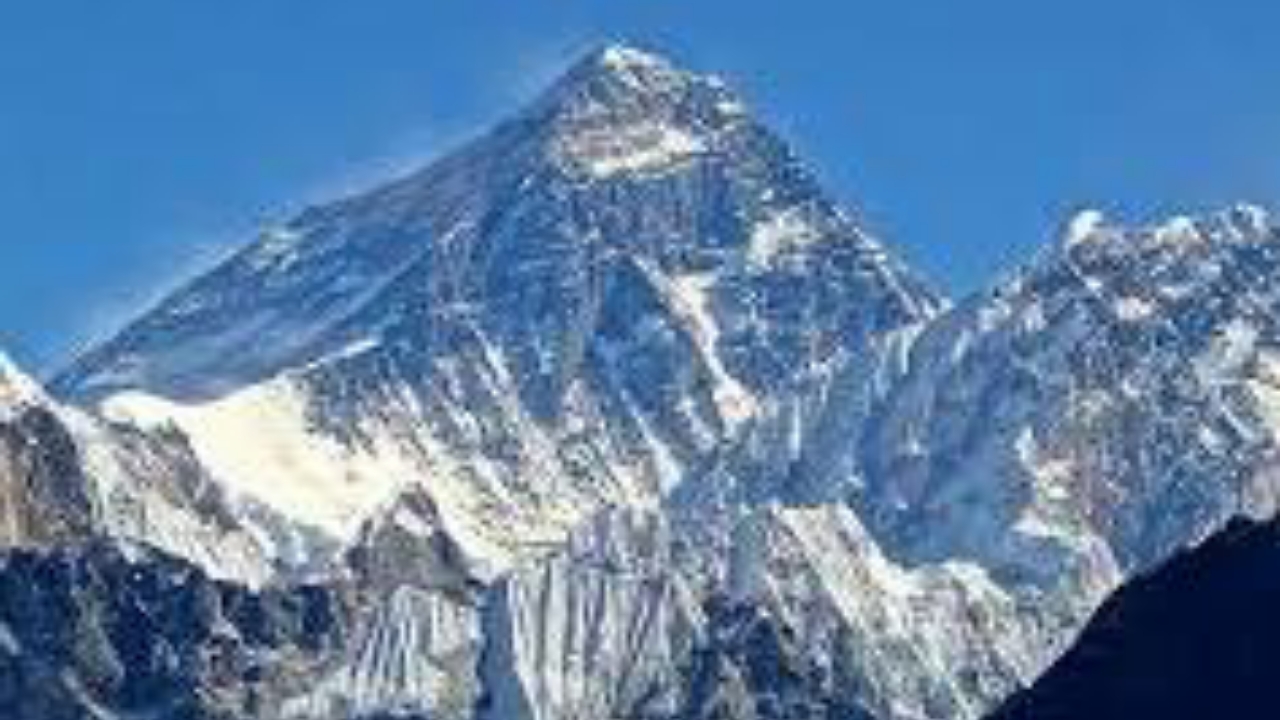
Mount Everest remains famous for its elevation above sea level at about 8.8 kilometres, yet some geoscientists argue that Mauna Kea, when measured from its underwater base, reaches around 10.2 kilometres, making it technically taller by total height.
This difference in interpretation stems from how mountain height is defined, either from sea level or from the geological base buried beneath oceans, a method that often changes public perception of natural landmarks.
Educational experts note that many learners are surprised by this distinction, as classroom materials often prioritize Everest’s visible prominence, while scientific measurements highlight the complexity of Earth’s terrain.
The discussion continues to influence how geography is taught and understood, encouraging broader thinking about natural structures and the ways science defines scale beyond surface appearances.
Recent discussions on social media and science forums have amplified curiosity about the comparison, with many users expressing surprise that the commonly cited ‘tallest mountain’ depends heavily on measurement criteria rather than a single universal standard.
In Nigeria and other parts of the world, readers engaging with global science content have described the revelation as eye-opening, especially since Everest is widely taught as the highest mountain without deeper context on geological measurement methods.
Scientists emphasize that neither interpretation is incorrect; instead, each reflects a different scientific lens, one focused on elevation relative to sea level and the other on total structural height from base to summit.
Ultimately, the comparison continues to serve as a useful reminder that scientific facts often depend on definitions and measurement frameworks.
Rather than contradicting each other, Everest and Mauna Kea highlight the diversity of Earth’s geology and the importance of precise terminology in education and communication.
As interest grows, educators are encouraged to present both perspectives to give learners a clearer understanding of how natural features are evaluated.
Now, you know.
National News