By Our Correspondent
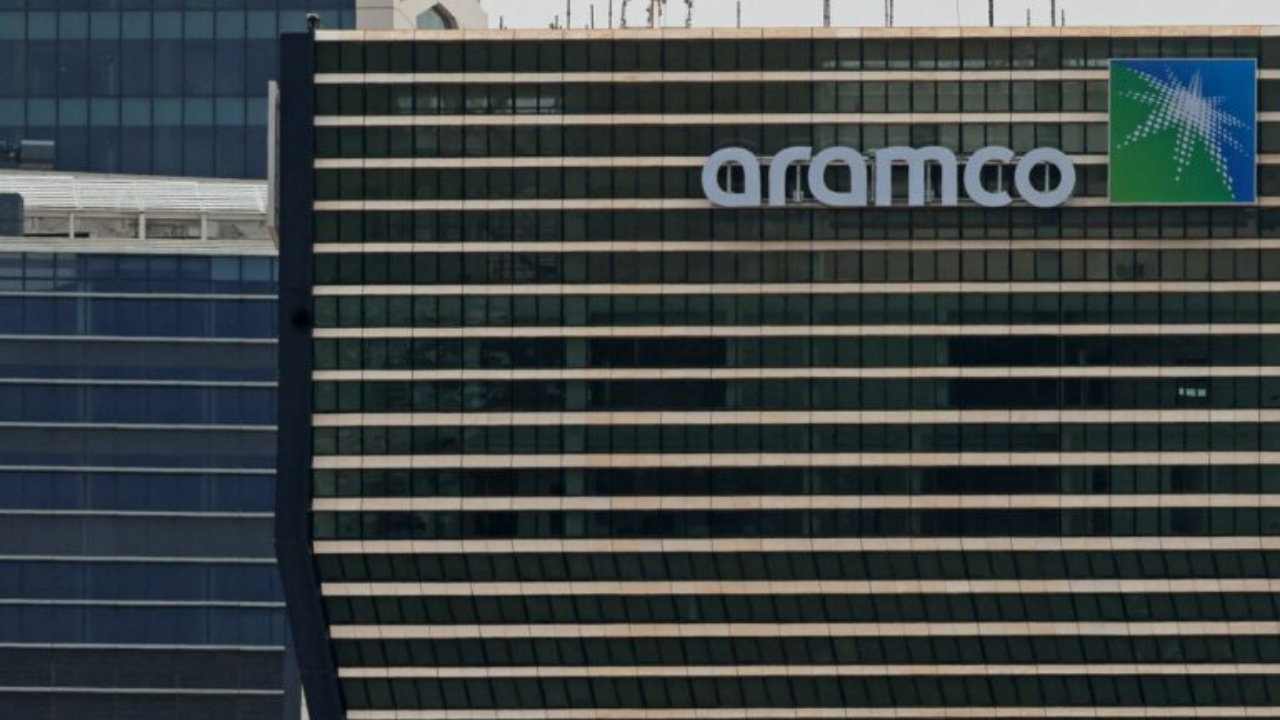
National News – Global oil markets may continue to face instability until 2027 as the ongoing Middle East conflict disrupts energy supplies and shipping routes, according to the Chief Executive Officer of Saudi Aramco, Amin H. Nasser.
He warned investors on Monday that the blockade of the Strait of Hormuz has triggered what he described as the world’s largest energy supply shock.
Nasser said the crisis began in the first quarter of 2026 after Iran shut down the strategic waterway, causing crude oil prices to surge from the mid-$60 range in February to over $100 per barrel in March.
He explained that even if the Strait of Hormuz reopens immediately, global oil markets would still require several months to recover fully.
According to him, further delays could push market normalisation into 2027.
The Aramco boss revealed that the disruption has already led to an unprecedented loss of nearly one billion barrels of oil supply worldwide.
He added that the market risks losing about 100 million barrels weekly for as long as the strait remains blocked.
Despite the crisis, Saudi Arabia has managed to maintain part of its oil exports through the East-West pipeline, which bypasses the Strait of Hormuz.
The pipeline is currently operating at its full capacity of seven million barrels daily to reduce supply shortages.
The conflict has also affected critical infrastructure across Saudi Arabia, with attacks reportedly targeting oil and gas production facilities, petrochemical plants, power stations, and refining centres in Riyadh, the Eastern Province, and Yanbu.
Meanwhile, efforts to secure a lasting peace agreement between the United States and Iran have stalled.
Former US President Donald Trump reportedly rejected Tehran’s latest proposal, describing it as unacceptable.
Nasser, however, expressed optimism that oil demand would rebound strongly once international shipping and trade activities fully resume.