By Friday Temitope Eugenia | National News
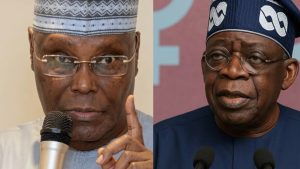
Former Vice President Atiku Abubakar has criticised President Bola Tinubu over the Federal Government’s economic reforms, arguing that the removal of petrol subsidy and foreign exchange liberalisation have worsened the cost-of-living crisis facing Nigerians.
Atiku, the presidential candidate of the African Democratic Congress in the 2027 election, spoke through his Senior Special Assistant on Public Communication, Phrank Shaibu, in a statement issued on Friday.
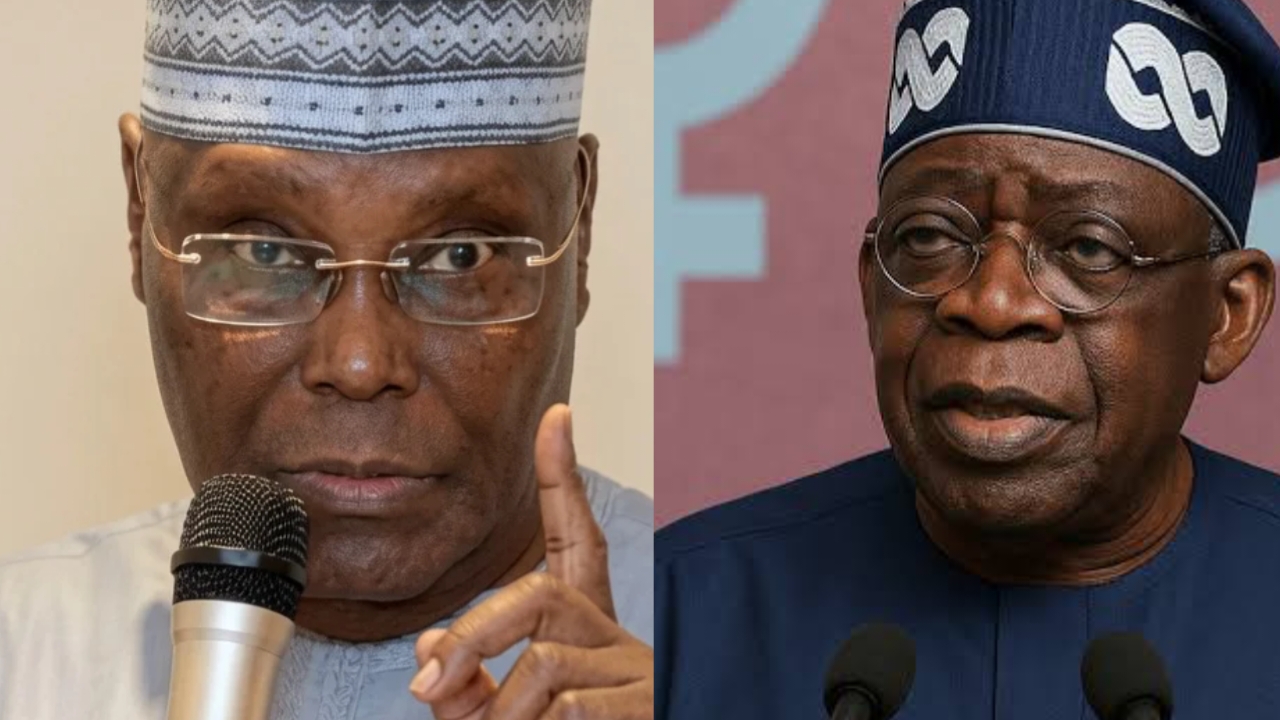
The former vice president was reacting to Tinubu’s description of his proposal to restore petrol subsidy as evidence of “serious ignorance on governance and economy.”
Atiku had earlier said he would restore petrol subsidy if elected president in 2027, arguing that those who allegedly stole public funds under the previous subsidy regime should be made to refund the money.
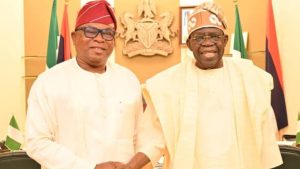
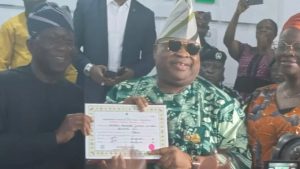
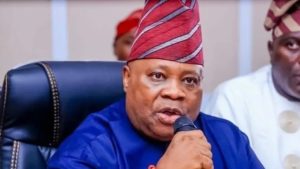
However, Tinubu, while receiving Osun State Governor Ademola Adeleke at the Presidential Villa on Thursday, criticised the proposal.
Responding, Atiku said the real economic ignorance was “believing suffering is economic policy,” insisting that his proposal was not a return to the previous subsidy regime.
He explained that what he proposed was a targeted, temporary and budgeted production-support mechanism aimed at increasing domestic refining capacity and shielding consumers from excessive price shocks.
According to him, Nigeria’s economic circumstances have changed considerably since Tinubu announced the removal of petrol subsidy in May 2023.
“Economic prescriptions respond to prevailing conditions. But other things are no longer equal in Tinubu’s Nigeria,” Atiku said.
He argued that the removal of subsidy without adequate measures to cushion its impact contributed to increases in petrol prices, transportation costs, food prices and other household expenses, while the naira also depreciated significantly.
Atiku said his proposed intervention would be capped, time-bound and independently audited, with safeguards against arbitrage and a focus on domestic production.
He also questioned the financial obligations associated with the petroleum sector, particularly what he described as continuing under-recoveries and energy-security costs recorded in the accounts of the Nigerian National Petroleum Company Limited.
The former vice president cited figures which he said amounted to about N17.5tn, including approximately N7.13tn classified as energy-security costs and another N8.67tn.
“If subsidy is dead, why are under-recoveries alive?” Atiku asked, while also demanding greater transparency in the management of petroleum-sector finances.
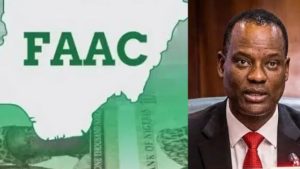
He further criticised the Federal Government’s argument that higher Federation Account allocations to states were evidence of the success of its economic reforms.
Atiku said increased allocations should not be regarded as an economic achievement if ordinary Nigerians were simultaneously losing purchasing power.
“You do not build a federation by impoverishing citizens so that Abuja can send bigger cheques to governors,” he argued.
He maintained that increased federal transfers could discourage states from developing productive economies and expanding their internally generated revenue.
Atiku also renewed his call for the Federal Government to account for about N30tn in Federation Account revenues, deductions, savings and transfers which he said required reconciliation.
He questioned the N12.8tn Service-Wide Vote contained in the 2026 budget, urging the administration to provide explanations on public finances.
The former vice president said the effectiveness of economic reforms should ultimately be measured by their impact on citizens rather than the size of government revenues.
“Economic reform is not measured by how fat government accounts become while citizens grow poorer,” he said.
He accused the Tinubu administration of pursuing policies that had imposed significant hardship on Nigerians and urged voters to reject what he described as another four years of the same economic approach.
The Federal Government has consistently defended the removal of petrol subsidy, saying the policy had become financially unsustainable and was necessary to free resources for development, strengthen public revenues and reduce distortions in the petroleum market.
Atiku, however, insisted that Nigerians had borne the brunt of the reforms and argued that his proposed petroleum-sector intervention was intended to boost domestic production while gradually reducing dependence on subsidy.