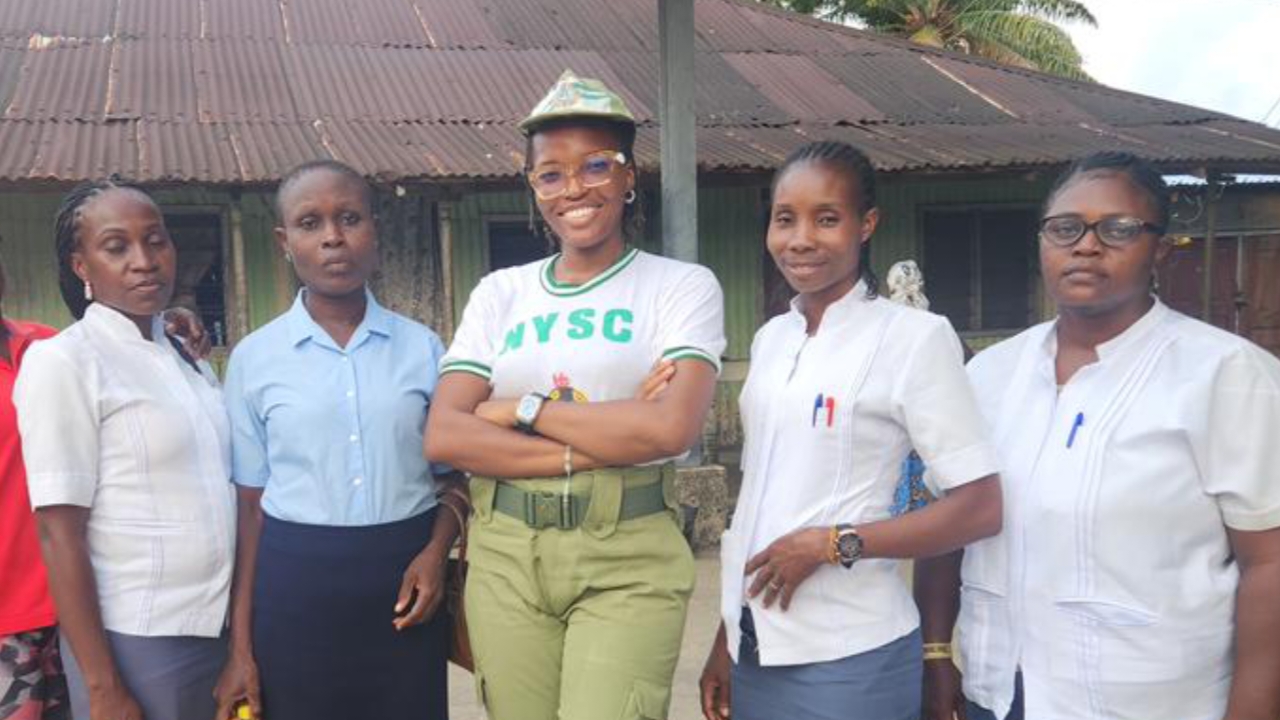
By Friday Temitope Eugenia
National News – In the riverine communities of Twon Brass, Bayelsa State, access to basic healthcare is often a difficult journey across water, cost, and time.
For many residents, hospital visits are delayed until minor illnesses escalate into life-threatening conditions — not because they neglect their health, but because healthcare remains far from their reach.
But on March 21, 2026, that narrative shifted.
Hundreds of residents from across Twon Brass converged at Kemmer Town Hall as the Rural Health Access and Awareness Project (RHAAP) delivered a life-changing Free Medical Outreach, bringing essential healthcare services directly to underserved communities in Brass Local Government Area.
The initiative, spearheaded by Pharm. Cynthia Ndidiamaka Obi, a pharmacist and National Youth Service Corps (NYSC) member serving at General Hospital Twon Brass, provided free consultation, medications, blood pressure and blood sugar checks, malaria, HIV and syphilis screening, mosquito nets, family planning services, health education, and reading glasses to residents who otherwise might not have accessed such care.
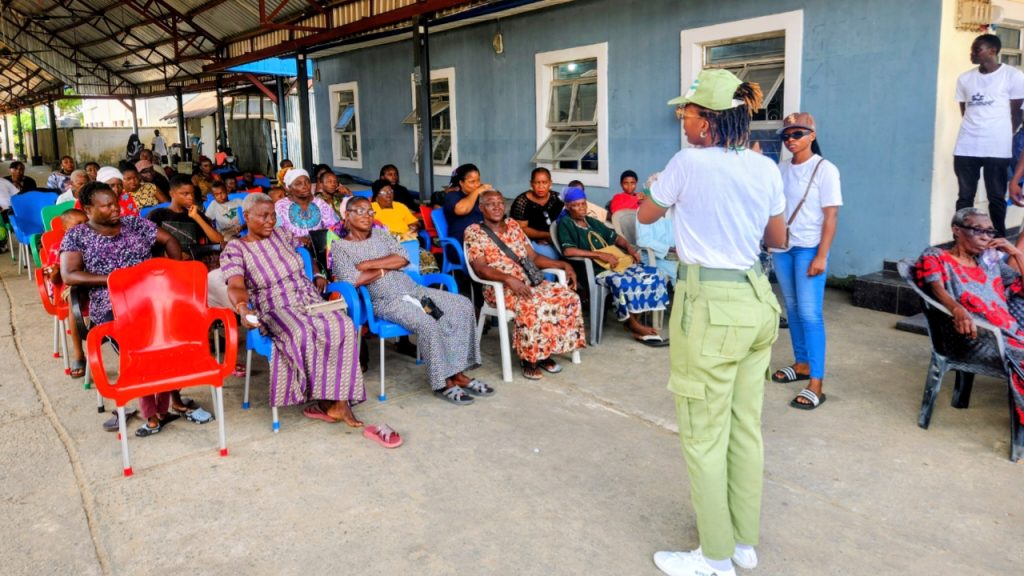
For Obi, the outreach was more than just a service — it was a response to a persistent healthcare crisis she witnessed daily.
“I am a pharmacist and a public health advocate currently serving at General Hospital Twon Brass. The Rural Health Access and Awareness Project was formed to improve health literacy and access to basic healthcare services in underserved rural communities,” she explained.
According to her, repeated exposure to preventable health emergencies fueled her determination to act.
“People in rural communities often wait until their health issues become severe before seeking help. Not because they don’t care, but because access is limited, funds are scarce, and awareness is low.”
“Over time, I have seen preventable conditions become emergencies. This outreach was about catching those conditions early and bringing care closer to the people.”
“The choice of Twon Brass was deliberate. As a riverine community, accessing hospitals often requires boat travel and additional expenses, barriers that discourage routine medical checkups.”
“Being a riverine area, getting to the hospital can be stressful and expensive. There was a clear need for basic health services here, and that is why we brought the outreach directly to the community,” Obi added.
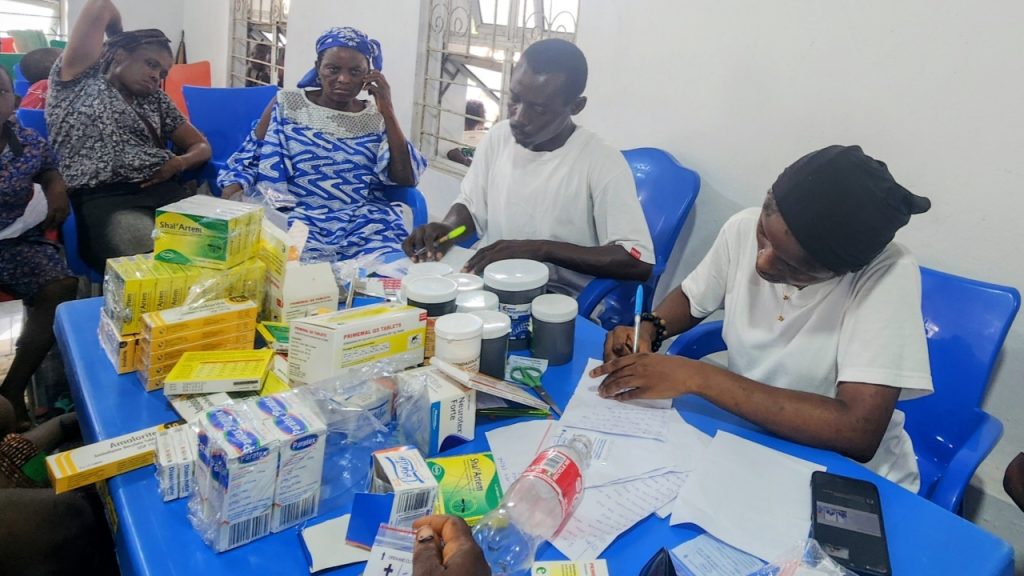
By the end of the exercise, nearly 300 residents had benefited from the outreach. But beyond the numbers, the real impact unfolded in personal moments — silent discoveries, relief, and renewed hope.
For Roseline Eric from Adama, the outreach came at a critical moment. She had been experiencing chest pain and planned to visit the hospital but decided to attend the outreach first after hearing about it.
“When I explained my situation, they checked my blood pressure and discovered it was high. They gave me medication and advised me to monitor it regularly. I also received eyeglasses, mosquito nets, and tablets. This outreach has really helped me,” she said.
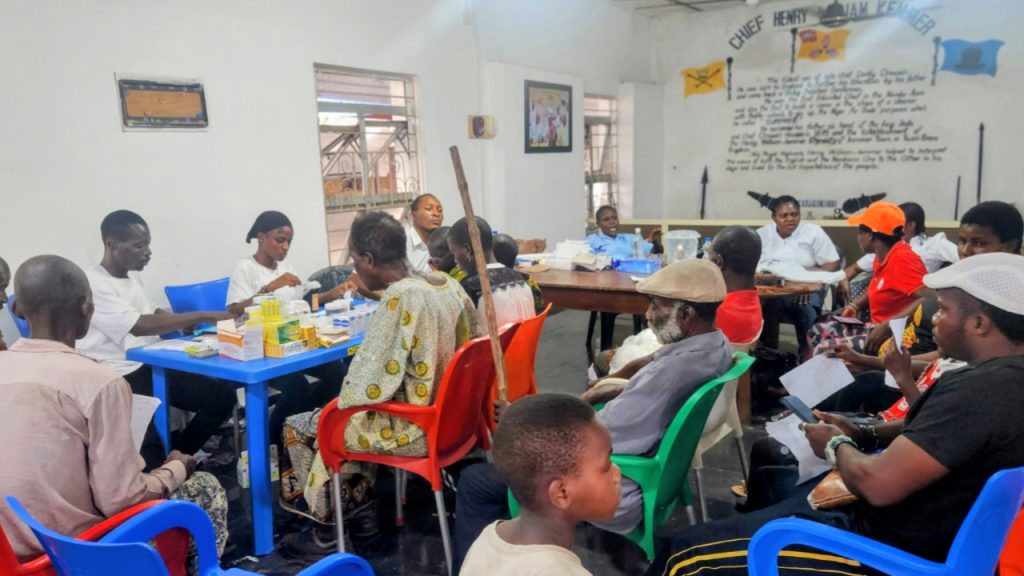
Visibly emotional, she praised the organizer and described the initiative as inspiring, noting that it motivated her daughter who hopes to study medicine.
“I am very happy to be a part of this. When I saw her, I told myself that one day my daughter will also be in this field. The community is really benefiting from this. It is very impactful.”
For Bomo Charles of Kemmer Ama, the outreach represented an opportunity long awaited.
“For a very long time, I have been looking for this kind of opportunity, but I couldn’t find it. Today, I saw it and I am very happy. God will bless the organizer,” he said.
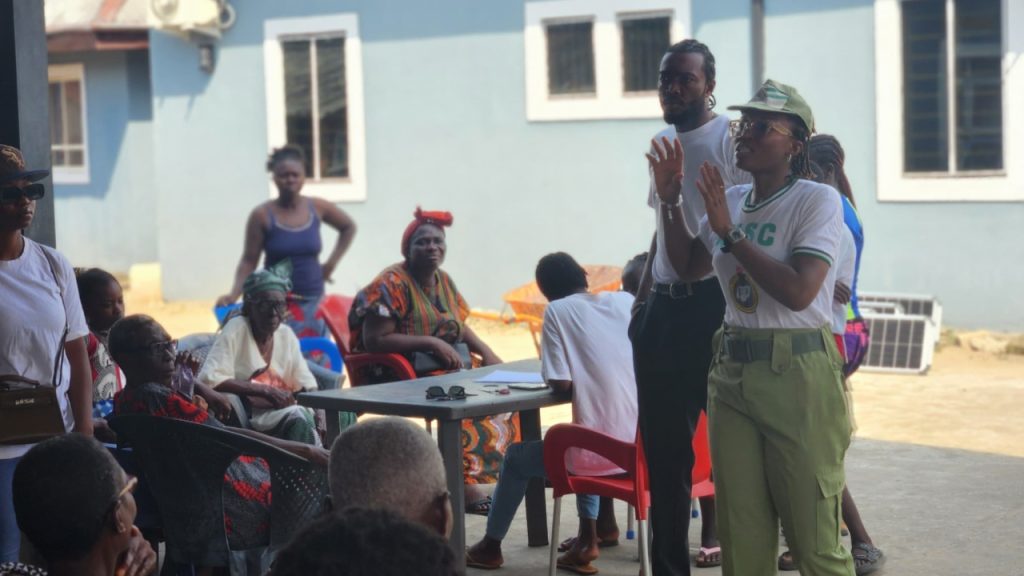
Similarly, Patrick Nemibofa from Sambo Ama did not initially plan to participate but was drawn by the crowd.
“I came for another reason, then I saw many people gathered. I asked what was happening and joined them. They treated me well. It is not easy to organize this kind of thing in Brass. Not everybody can do it. God will help her,” he said.
Community leaders also acknowledged the significance of the outreach. Clergy Ayebatari Sparkle, also known as Odumodu, Youth Secretary of Kemmer Ama, described the intervention as unprecedented.
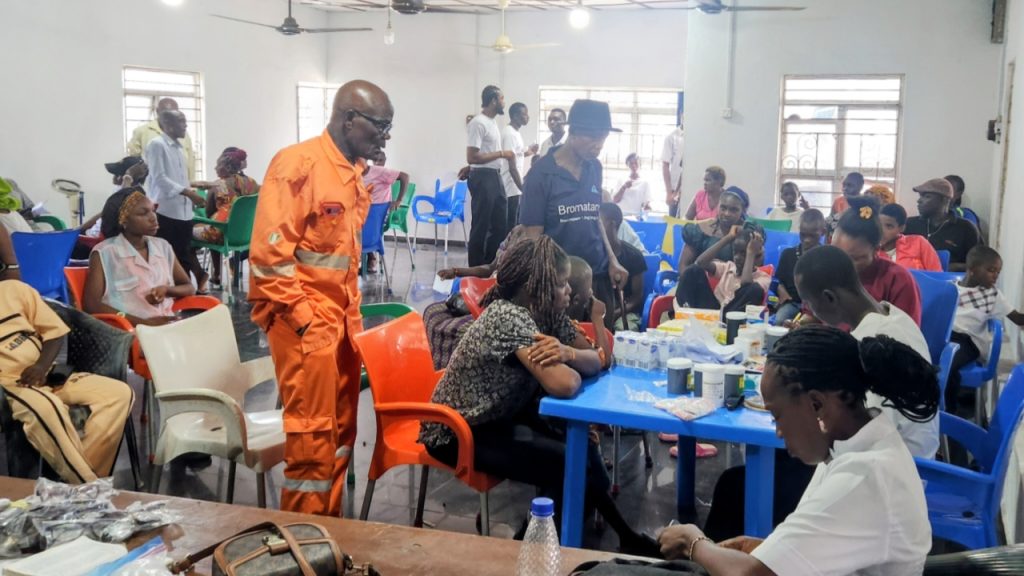
“What you brought to the community is a good thing. Many people here have health challenges, and today you can see them receiving treatment and checkups. People came from Sambo Ama, Shidi Ama, Kemmer Ama, Adama, Brass Gate, Imbikiri and other areas. Everybody came for medical attention,” he said.
He emphasized that such an intervention had not been witnessed in the community during his tenure as youth secretary.
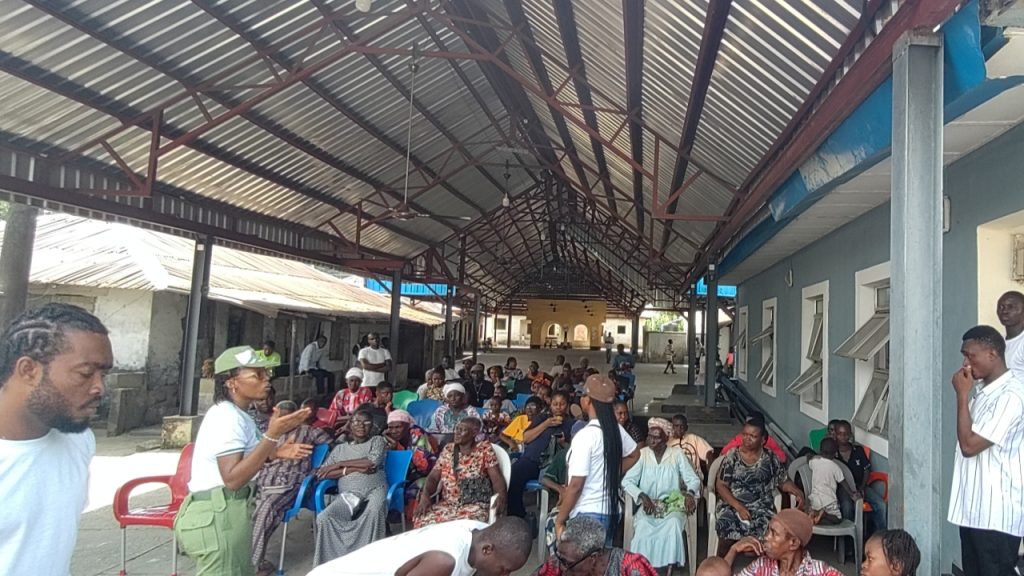
“Since I have been here, nobody has come to do this kind of thing. You attended to my people. Try more and extend this to other communities. May God help you,” he added.
For Obi, these testimonies reinforced the urgency of expanding the initiative. She disclosed that the outreach is only the beginning of a broader mission.
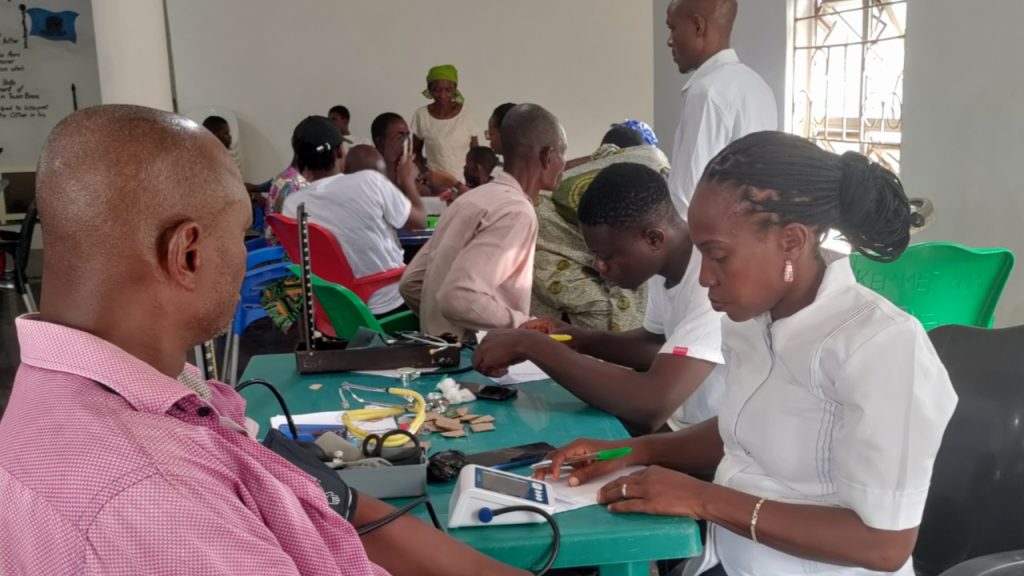
“I don’t plan for this to be a one-time event. The goal is to extend these outreaches to other rural underserved communities, even beyond Twon Brass and across other states in Nigeria. With proper funding and partnerships, we also hope to extend beyond Nigeria.”
She added that sustainability remains central to the project’s long-term vision.
“We are looking at building something sustainable — something that will continue to impact communities even when we are not physically there.”
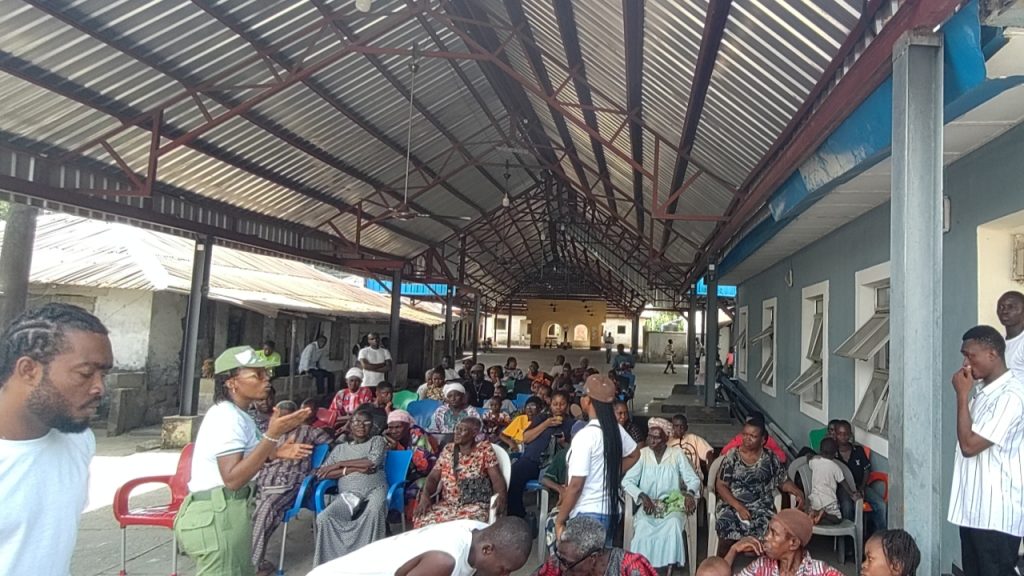
In a region where healthcare access remains limited, the Rural Health Access and Awareness Project has ignited hope, delivering not just medical services, but dignity, awareness, and a renewed commitment to preventive healthcare.
For the residents of Twon Brass, the outreach was more than a medical exercise — it was a lifeline brought to the creeks.