By Our Correspondent
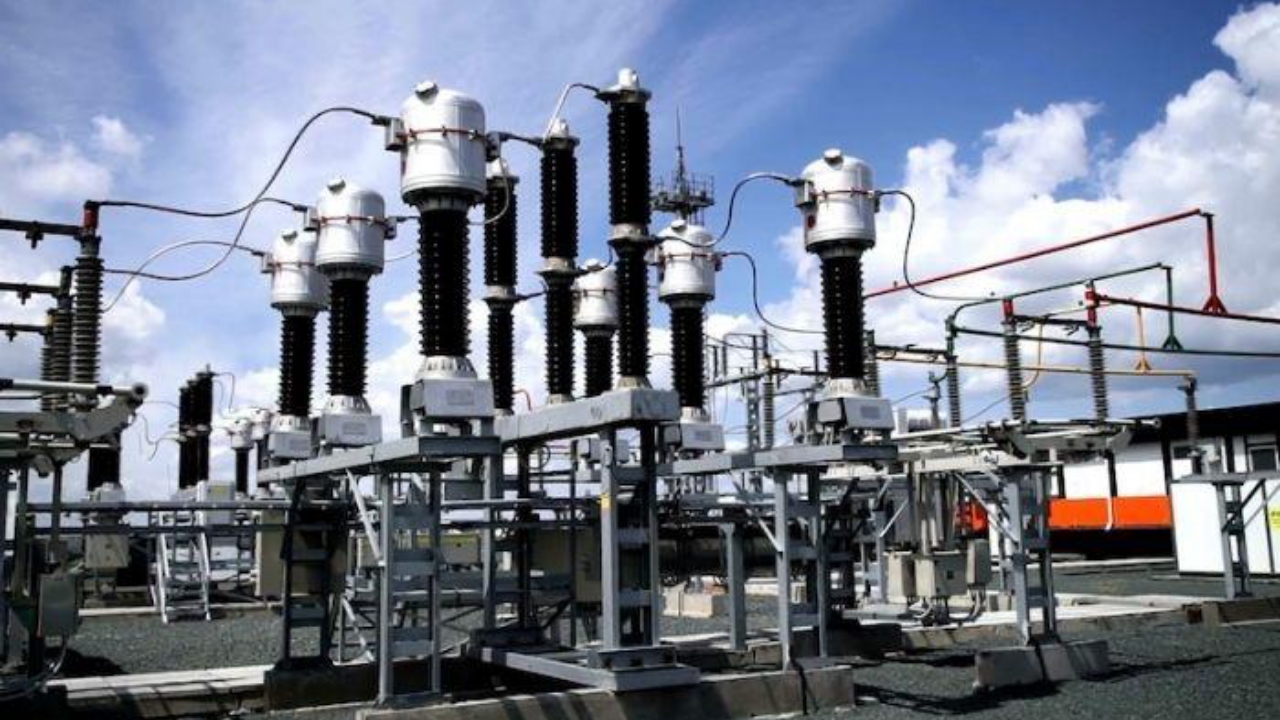
National News – Africa’s energy transition must balance economic growth, industrialisation, and climate responsibility, according to energy experts advocating a technology-driven approach to sustainable power development across the continent.
With Africa’s population projected to hit nearly 2.5 billion in the coming decades, electricity demand is expected to rise sharply as industries expand, cities grow, and digital connectivity increases.
Stakeholders say natural gas and other fossil fuels will remain important for reliable base power while renewable energy infrastructure gradually expands across the continent.
Experts explained that Africa’s unique energy challenges require a fair and gradual transition rather than an abrupt shift away from fossil fuels.
They noted that many African countries still need affordable electricity to power factories, transport systems, hospitals, schools, and growing digital economies.
Natural gas is expected to play a critical role over the next decade as governments invest in cleaner and more resilient energy systems.
Technology and innovation are already reshaping the energy sector through decentralised solutions such as mini-grids, off-grid solar systems, and battery storage projects.
Analysts say these technologies are helping underserved rural communities gain electricity access where traditional national grids remain unavailable.
Smart grids and artificial intelligence-powered systems are also helping utilities reduce energy waste and improve electricity distribution efficiency.
African entrepreneurs are driving many of these innovations by developing pay-as-you-go solar platforms, mobile payment systems, and community-based mini-grid projects.
Industry leaders say these initiatives are not only improving electricity access but also creating jobs, boosting local economies, and strengthening technical skills across the continent.
However, experts stressed that innovation alone cannot solve Africa’s energy challenges without major financial investment and supportive government policies.
According to industry estimates, the continent requires billions of dollars annually to fund grid expansion, renewable energy projects, and modern infrastructure needed for a successful energy transition.
Former Minister of Power, Prof. Bart Nnaji, urged African governments, investors, and private companies to collaborate in building sustainable, inclusive, and technology-driven energy systems for future generations.