By Our Correspondent
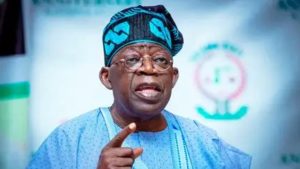
National News – Nigeria’s Federal Government, led by Bola Ahmed Tinubu, has proposed a N9.09 trillion increase to the 2026 national budget, with plans to fund the adjustment through higher crude oil revenues and new external loans.
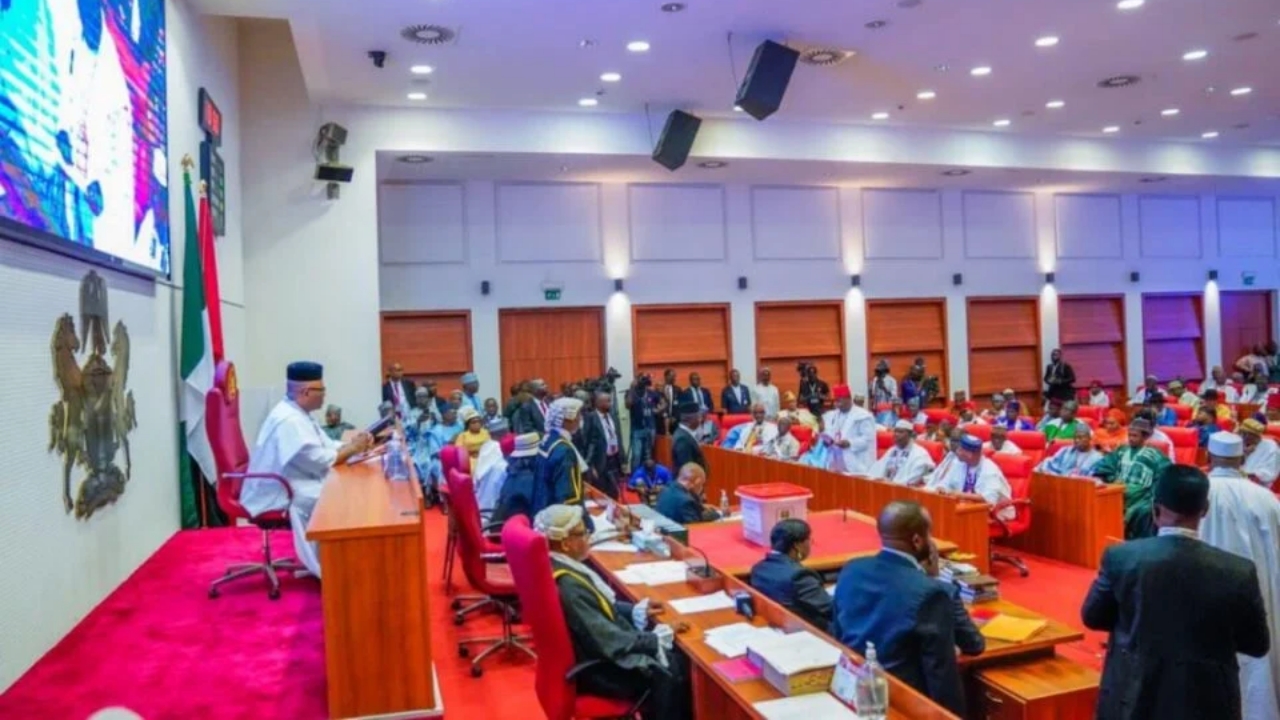
The request was presented to lawmakers and read during plenary by Senate President Godswill Akpabio at the National Assembly of Nigeria on Tuesday.
According to the presidency, the proposed budget adjustment aims to strengthen fiscal transparency, address existing debt obligations, and support priority national projects.
Tinubu noted that rising crude oil prices—linked partly to tensions between the United States and Iran—could generate additional revenue to support the country’s spending plan.
Initially, the president submitted a N58.18 trillion budget proposal to the legislature in December 2025 under the theme “Budget of Consolidation, Renewed Resilience and Shared Prosperity.”
However, lawmakers later approved a revised N68.32 trillion appropriation, exceeding the executive request by about N1 trillion.
The expanded budget includes allocations such as N4.799 trillion for statutory transfers, N15.809 trillion for debt servicing, N15.427 trillion for recurrent expenditure, and N32.287 trillion for capital projects.
A significant portion of the increase—about N7.71 trillion—is expected to cover unpaid capital obligations carried over from the 2025 fiscal year after revenue shortfalls stalled many projects.
Infrastructure projects received substantial attention in the revised spending plan.
The government earmarked N478.6 billion for rail development, including projects in Lagos, Kano, Kaduna and Ogun states, alongside feasibility studies for urban rail systems in Enugu and Maiduguri.
Additional funds were also set aside for highway and transport corridor studies under the Tinubu National Beltway Initiative.
Lawmakers also approved increased funding for the judiciary, including N98.5 billion for the Court of Appeal and N36.7 billion for the Supreme Court, partly to strengthen the system ahead of the 2027 general elections.
To finance the expanded budget, the National Assembly approved a mix of revenue adjustments and borrowing.
The oil benchmark was raised by $10 per barrel, expected to generate about N2.59 trillion, while telecom companies such as MTN Nigeria and Airtel Nigeria are projected to contribute N874 billion in company income tax.
In addition, lawmakers approved $6 billion in external loans, including $5 billion from First Abu Dhabi Bank and $1 billion through UK export finance arranged by Citibank, to support infrastructure and fiscal liquidity.
Economic experts have urged the government to prioritise security, power supply, agriculture, and social investment programmes to ensure the increased spending translates into economic growth and improved welfare for Nigerians.