
By Our Correspondent
National News – The Federal Government, alongside the European Union and the World Health Organization, has unveiled a €4.2 million initiative aimed at strengthening Nigeria’s disease outbreak detection and emergency response system.
The programme was launched on Monday in Abuja during a meeting attended by health experts, government officials, and development partners.
The initiative, known as the EU Support to Public Health Institutes in Nigeria programme, will run for four years and is valued at about N6.7 billion.
It is funded by the European Union and implemented by the World Health Organization in partnership with the Federal Ministry of Health and Social Welfare.
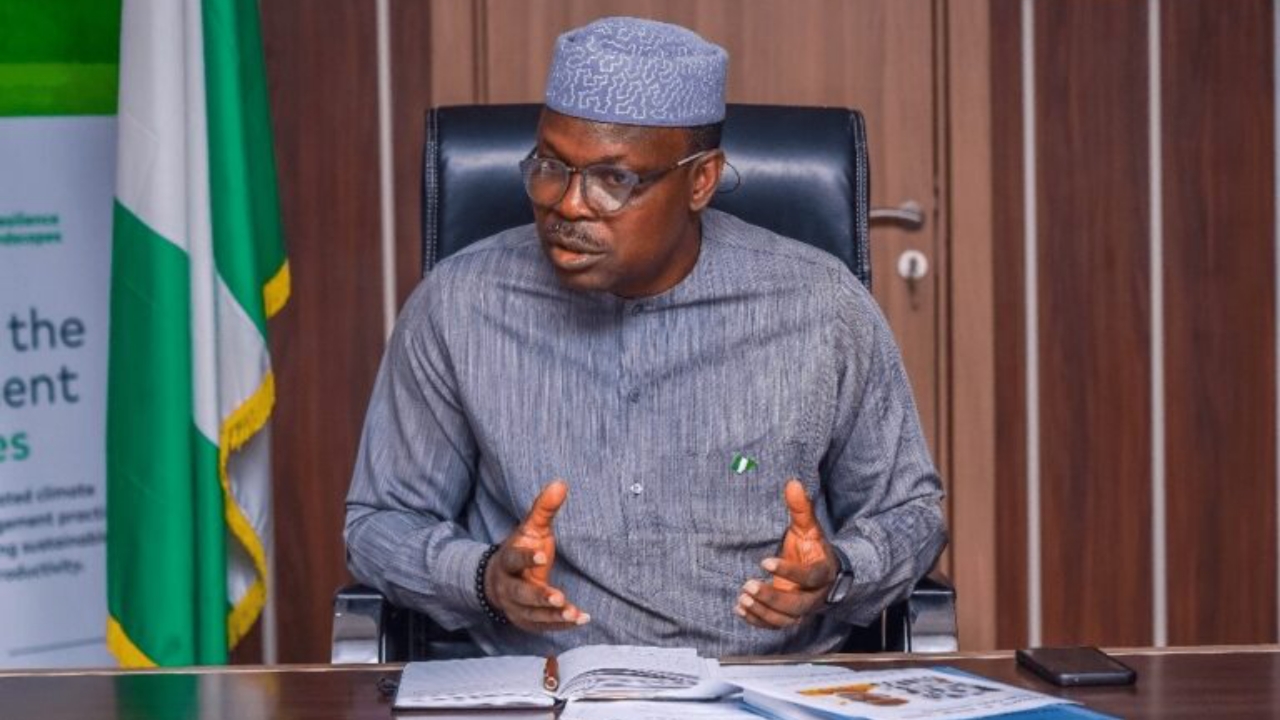
Speaking at the unveiling, the Minister of State for Health and Social Welfare, Dr. Iziaq Salako, said the programme would improve Nigeria’s healthcare system and help protect vulnerable citizens from infectious diseases and public health emergencies.
According to Salako, the initiative aligns with the Federal Government’s Renewed Hope Agenda and focuses on strengthening public health institutions, improving disease surveillance, and boosting healthcare coordination nationwide.
Nigeria has continued to battle outbreaks of cholera, Lassa fever, meningitis, diphtheria, and Mpox, while also facing increasing cases of non-communicable diseases such as diabetes and hypertension.
Health experts say weak surveillance systems, poor emergency preparedness, and limited data-sharing capacity have contributed to recurring health challenges across the country.
The programme will support digital health systems, improve real-time information sharing, and train at least 75 per cent of health workers in digital competencies and outbreak response management.
Frontline health workers at federal, state, and local government levels are expected to benefit from improved tools and technical support.
European Union Ambassador to Nigeria, Gautier Mignon, said the project reflects the EU’s commitment to strengthening Nigeria’s health security system through digital innovation and institutional support.
WHO Representative in Nigeria, Dr. Pavel Ursu, added that improved coordination and better preparedness would help save lives and reduce the impact of future outbreaks.