
By Our Correspondent
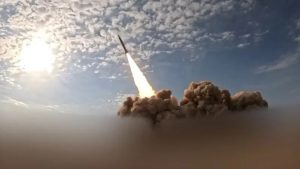
National News – Growing concerns over the rising cost of petrol have triggered widespread calls for relief measures as tensions involving the United States, Israel, and Iran continue to disrupt global oil markets.
The escalating conflict has driven crude oil prices above $100 per barrel, pushing fuel costs in Nigeria to record levels and placing additional pressure on households and businesses already battling high inflation.
Petrol prices across several parts of the country now range between ₦1,200 and ₦1,300 per litre, with industry projections warning that the pump price could climb beyond ₦1,500 and possibly approach ₦2,000 if the Middle East crisis persists.
Stakeholders, including economists, labour leaders, and industry operators, are urging the Federal Government to introduce targeted economic relief to cushion the effects on citizens.
Petroleum marketers have called for the reduction of multiple taxes and levies imposed by government agencies on fuel imports and distribution.
They argue that these charges significantly increase the final pump price paid by consumers.
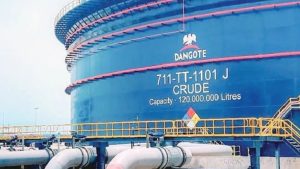
Industry representatives also recommended urgent repairs of fuel pipelines to reduce transportation costs and improve distribution efficiency across the country.
Private sector leaders have advised the government to channel additional revenue from rising crude oil prices into long-term solutions rather than reinstating fuel subsidies.
Experts say investing in compressed natural gas transportation systems, supporting local refineries, and improving electricity generation could reduce the country’s dependence on petrol and diesel.
Labour unions have also expressed concern about the worsening economic hardship caused by rising fuel prices.
Worker representatives warned that the sharp increase in transportation and living costs is eroding purchasing power and putting pressure on families nationwide.
They urged the government to introduce temporary support measures such as tax relief, wage adjustments, and targeted social programmes.
Economic analysts say Nigeria faces a paradox: higher global oil prices increase government earnings from crude exports but simultaneously raise the cost of refined petroleum products for local consumers.
If energy costs continue to rise, transportation, logistics, and production expenses may increase further, potentially pushing inflation higher in the coming months.
Experts therefore stress the need for balanced policies that protect citizens while maintaining economic stability during the ongoing global energy crisis.