By Our Correspondent
National News – Global oil prices surged sharply on Thursday, defying expectations after major countries announced the release of record oil reserves to stabilize markets amid the ongoing Iran conflict.
Brent crude rose over 9% in Asian trading, crossing the $100-per-barrel mark, despite all 32 members of the International Energy Agency (IEA) agreeing to release 400 million barrels of emergency oil.
Analysts say the spike reflects market concerns over prolonged supply disruptions and regional instability.
Iran has warned that oil could hit $200 a barrel if tensions escalate further, with the Islamic Revolutionary Guard Corps (IRGC) threatening to target vessels linked to the US, Israel, or their allies in the strategically vital Strait of Hormuz.
The narrow shipping route carries about 20% of the world’s energy supplies, making it a crucial factor in global markets.
The IEA’s reserve release is more than double its previous record set during Russia’s 2022 invasion of Ukraine, and experts describe it as a temporary buffer rather than a long-term solution.
Martin Ma of the Singapore Institute of Technology noted that “oil prices will remain elevated as long as the supply risk persists,” highlighting traders’ expectations of continued volatility.
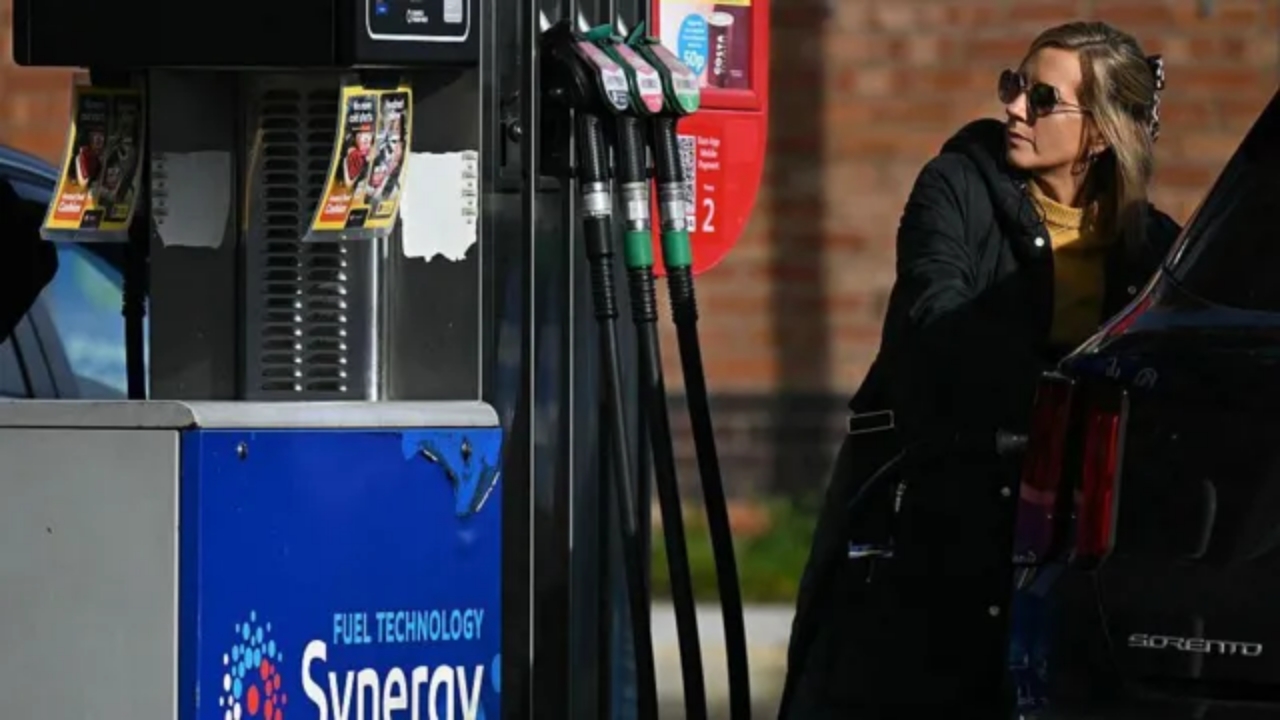
The recent surge in crude prices has already affected fuel costs worldwide.
In the United States, the average petrol price surpassed $3.50 per gallon, while Asian nations heavily reliant on Middle Eastern oil, including the Philippines, Thailand, and Vietnam, have seen long queues at gas stations.
Governments in Thailand and the Philippines are introducing measures to reduce energy consumption, including remote work for government staff and shorter workweeks to ease demand pressures.
Market experts warn that while the IEA’s action is unprecedented, oil markets will continue to be sensitive to geopolitical developments in the Middle East.
Consumers worldwide are likely to feel the impact through higher fuel and energy costs, highlighting the global interconnectedness of energy security.