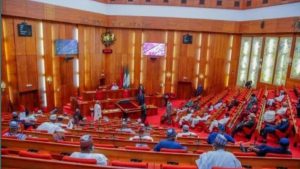
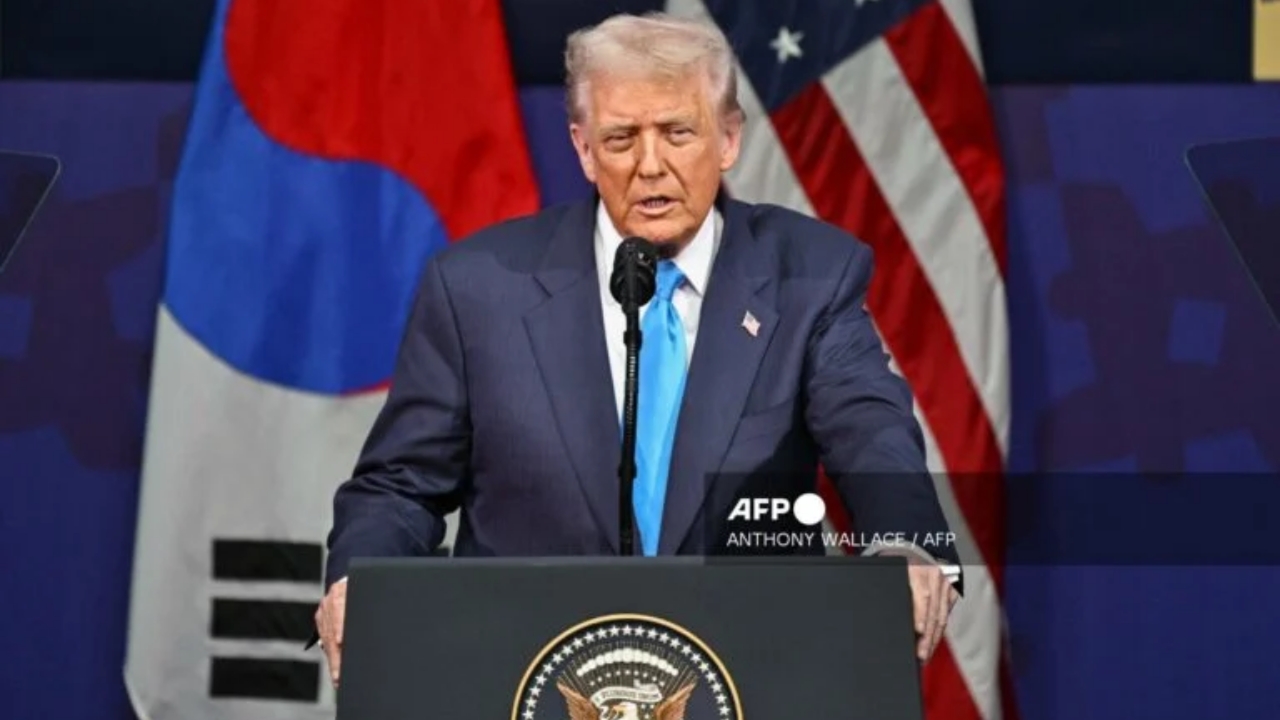
QThe United States Congress is preparing to vote on new measures aimed at limiting President **Donald Trump’s authority to conduct military operations against Iran, as lawmakers intensify debate over the legality of the escalating conflict in the Middle East.
The proposed legislation comes after Trump ordered major military operations against Iran alongside Israel, a move that critics say bypassed Congress and expanded presidential war powers beyond constitutional limits.
Lawmakers Push to Reassert Congressional Authority
Under the US Constitution, only Congress has the authority to declare war. However, presidents can launch limited military actions under the War Powers Resolution of 1973, which allows short-term intervention if there is an emergency or imminent threat to the United States.
Democratic Senator Tim Kaine has introduced a resolution that would require Trump to obtain explicit approval from Congress before continuing military operations against Iran.
Kaine argued that there was no clear or immediate threat that justified launching a full-scale conflict.
“There was no imminent threat from Iran to the United States that warranted sending American troops into another Middle East war,” Kaine said.
Questions Over Legality of the Iran War
The debate in Congress centers on whether the Trump administration provided sufficient justification for the military action.
While announcing the operation, Trump claimed Iran posed an “imminent threat” to US national security.
However, critics argue that the administration failed to provide detailed intelligence or brief lawmakers adequately before initiating the strikes.
According to analysts, presidents traditionally explain the purpose and strategy of major military campaigns to both Congress and the American public before launching large-scale operations.
Political Reality May Protect Trump
Despite growing concerns from some lawmakers, the Republican majority in Congress is widely expected to support Trump and block efforts to limit his war powers.
Republican Representative Thomas Massie, one of the few conservatives opposing the conflict, has joined Democratic Congressman Ro Khanna in pushing for a House vote requiring congressional approval for the war.
Even if the resolutions pass in Congress, Trump could veto the legislation. Overriding such a veto would require a two-thirds majority in both chambers, a threshold that analysts say would be difficult to achieve.
Sixty-Day Deadline Under War Powers Law
Under the War Powers Resolution, the president must obtain congressional authorization if military operations continue beyond 60 days.
With fighting already underway, the upcoming congressional votes could become a critical test of executive power and America’s constitutional checks and balances during wartime.