By Our Correspondent
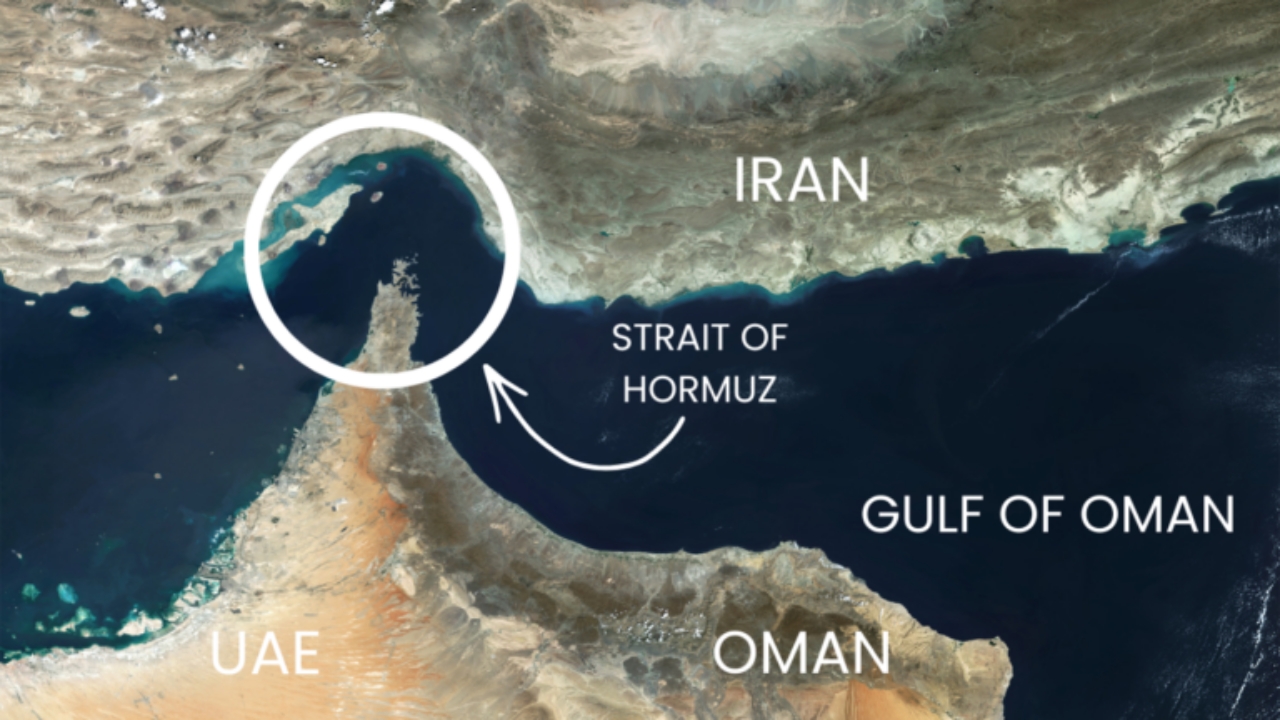
National News – Iran has again shut the Strait of Hormuz on Saturday, April 18, 2026, intensifying global tensions as the United States maintains a naval blockade on Iranian ports.
The closure affects one of the world’s most critical oil transit routes, where nearly 20 per cent of global energy supplies pass daily.
The move came just hours after Iran briefly reopened the channel, raising uncertainty over maritime safety and global oil markets.
Iran’s military command confirmed the renewed restriction, stating the waterway is now under “strict control” in response to continued US pressure.
At least a dozen commercial vessels were already navigating the strait when the announcement was made, with some ships rushing through while others turned back mid-transit.
Maritime tracking data showed vessels staying close to Iranian waters, signaling compliance with Tehran’s directives to avoid confrontation.
The closure follows a fragile ceasefire linked to the ongoing US-Israeli conflict with Iran, which began on February 28.
Diplomatic efforts led by Pakistan, alongside support from Egypt and Gulf nations, aim to broker peace before the truce expires in four days.
While US President Donald Trump expressed optimism about a near agreement, Iran dismissed claims it would surrender its enriched uranium stockpile.
The situation remains volatile as Iran insists its nuclear materials will not be transferred, contradicting US assertions.
Meanwhile, limited airspace reopening in eastern Iran suggests partial stabilization, though internet blackouts persist across the country after 50 days.
The repeated shutdown of the Strait of Hormuz highlights its strategic importance and underscores how geopolitical conflict can disrupt global energy supply chains.
Analysts warn that continued instability could trigger oil price spikes and broader economic consequences worldwide.