By Our Correspondent
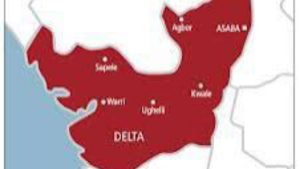
National News – Stakeholders from the Niger Delta, under the Niger Delta Stakeholders Forum (NDSF), have faulted a recent parliamentary roundtable organised by the National Assembly on pipeline security surveillance, describing it as a staged event lacking credibility.
The meeting, held on April 8, 2026, at the House of Representatives Old Chamber in Abuja, was meant to address crude oil theft and evaluate Nigeria’s pipeline monitoring framework.
However, the group insists the exercise failed to deliver transparency, accountability, or practical solutions to the region’s long-standing security concerns.
According to the NDSF, the roundtable was allegedly designed to conceal failures within the current surveillance contract system rather than expose them.
In a statement issued by its Secretary-General, Dr. Alaye Theophilus, the forum accused lawmakers of avoiding critical scrutiny of contractors responsible for pipeline protection.
The group questioned why only Tantita Security Services Limited was repeatedly mentioned, while other contractors such as Pipeline Infrastructure Nigeria Limited and Maton Energy were not subjected to performance evaluation.
The stakeholders argued that the lack of full operational disclosures, including surveillance mandates, performance metrics, and accountability structures, undermines the credibility of the entire process.
They warned that this approach could worsen national security risks and deepen public distrust in the system.
Furthermore, the forum rejected claims that key stakeholders were duly invited to participate.
It stated that invitations were limited to a generic flyer circulated on social media shortly before the event, which it described as inadequate and unprofessional for a legislative engagement of such importance.
The NDSF is now calling for the complete dismantling of the existing pipeline surveillance framework.
It proposes replacing it with a more transparent, decentralised, and accountable system that genuinely reflects the interests of host communities and the Nigerian public.