By Our Correspondent
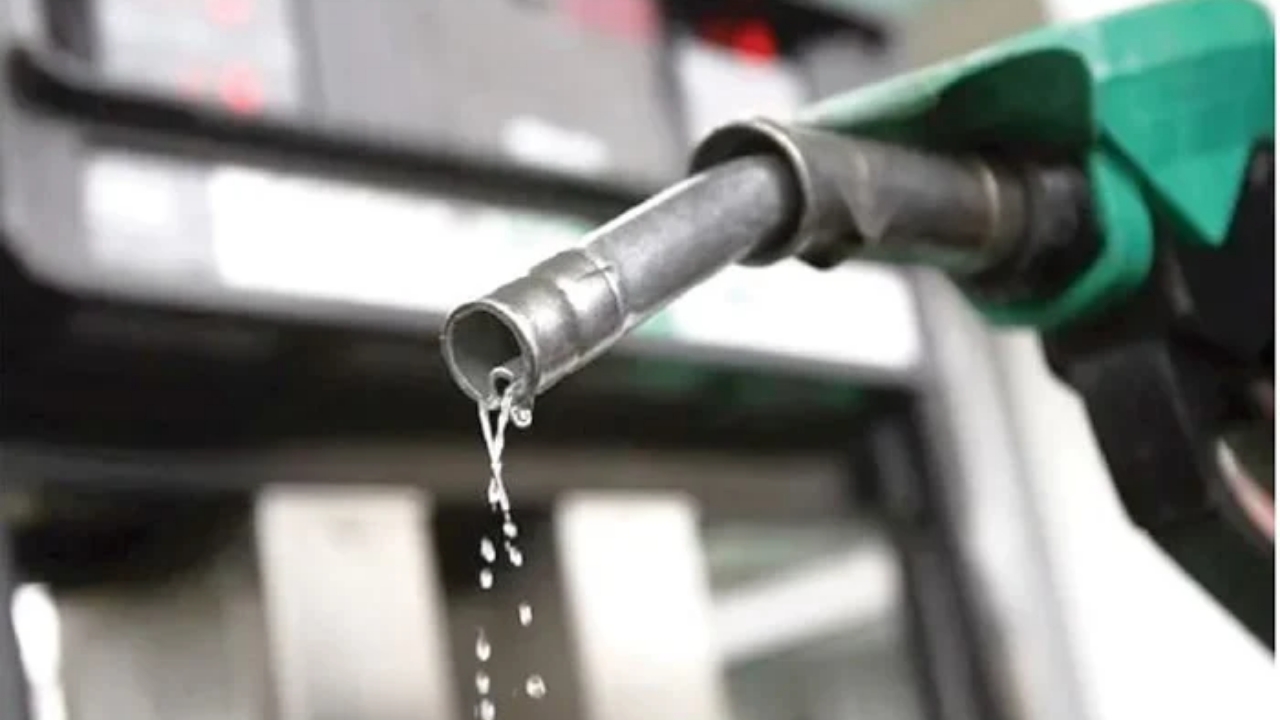
National News – Fresh uncertainty has emerged over a possible reduction in petrol prices in Nigeria following renewed tensions in the Strait of Hormuz.
The development comes after Iran reclosed the critical oil transit route barely 24 hours after reopening it, disrupting expectations of cheaper fuel.
The situation escalated over the weekend, with global oil markets reacting cautiously to the move.
The Strait of Hormuz, a vital passage for about 20 per cent of the world’s oil supply, was briefly reopened on Friday after a ceasefire between Iran and the United States.
However, Iran shut it again on Saturday, citing continued restrictions on its ports.
Reports indicated that Iranian forces fired at a merchant vessel attempting to pass through the channel, raising fresh concerns over energy security and global supply chains.
Fuel marketers in Nigeria had earlier projected that petrol prices could fall from around N1,250 per litre to about N900 if stability was sustained.
According to industry sources, prices were previously around N800 before the Middle East crisis began in late February.
However, the latest disruption has stalled those projections, with stakeholders now expecting prices to remain unchanged in the short term.
Speaking on the situation, the spokesperson for the Petroleum Products Retail Outlet Owners Association of Nigeria, Joseph Obele, explained that the reopening had initially triggered a drop in crude oil prices.
But the renewed closure has reversed that optimism, making any immediate price reduction unlikely until a lasting agreement is reached between both countries.
Meanwhile, US President Donald Trump accused Iran of violating the ceasefire by attacking vessels in the strait and warned of possible strikes on Iranian infrastructure if tensions persist.
Despite the geopolitical strain, Brent crude hovered around $90 per barrel, reflecting only a slight increase.