By Our Correspondent
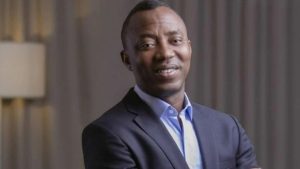
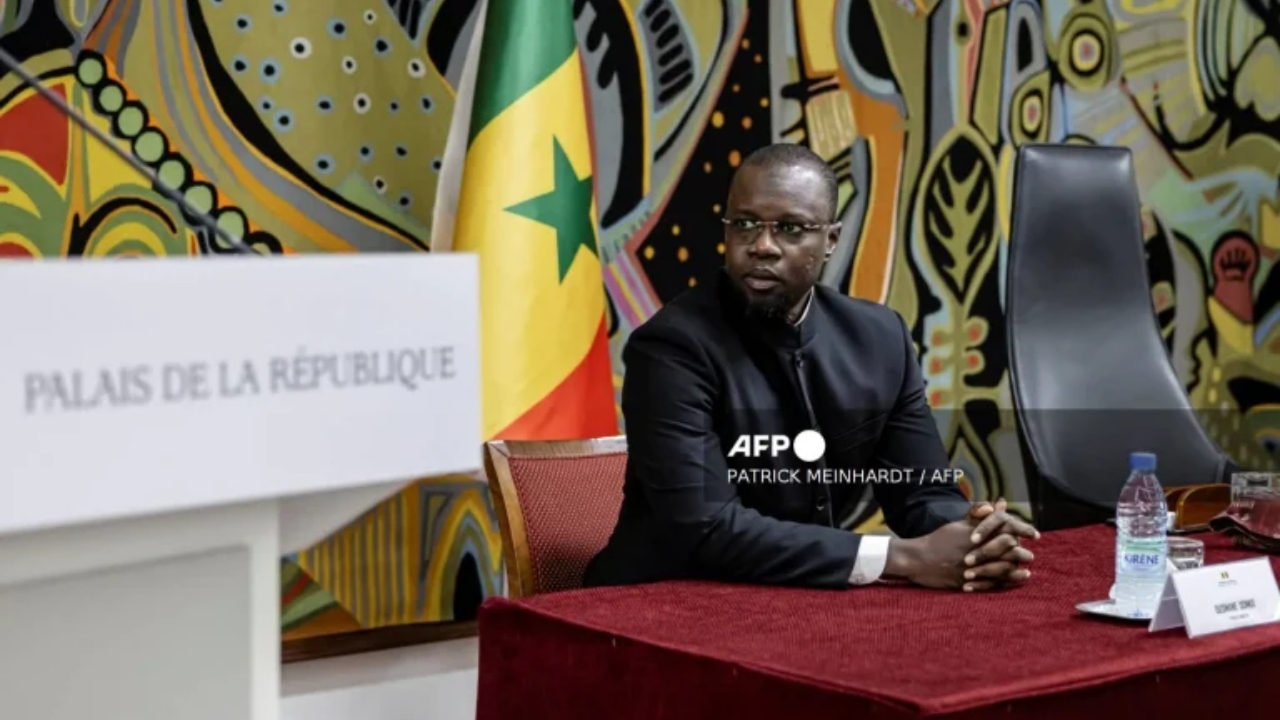
National News – Senegal’s former Prime Minister, Ousmane Sonko, was elected Speaker of the National Assembly on Tuesday in Dakar after lawmakers reinstated him to parliament during a tense session boycotted by opposition members.
The development marks a major political comeback for the influential Senegalese politician and signals a new phase in the country’s evolving leadership structure.
Sonko secured 132 votes in the parliamentary election, with no votes cast against him and one abstention.
The announcement was made by the session’s presiding official, Ismael Diallo, before members of the 165-seat legislature.
Opposition lawmakers stayed away from the sitting in protest, raising concerns over growing political divisions in the West African nation.
The election answered key political questions surrounding who would lead Senegal’s parliament after recent leadership disputes and why Sonko’s return remains significant in national politics.
His emergence as Speaker places him at the centre of legislative decision-making and strengthens his influence ahead of future political negotiations and reforms.
Political analysts say the move could reshape Senegal’s power dynamics, especially after Sonko’s removal from the prime ministerial position triggered months of controversy and public debate.
Supporters view his return as a victory for democratic participation, while critics argue the process may deepen tensions between the ruling bloc and opposition groups.
The parliamentary session in Dakar also highlighted how Senegal’s lawmakers are navigating internal disagreements amid growing public attention on governance, representation, and political stability.
Sonko’s election is expected to attract reactions across Africa as regional observers monitor Senegal’s democratic institutions and political climate.
Citizens and international observers are now watching closely to see how Sonko will manage parliamentary affairs, handle opposition concerns, and influence future legislation in Senegal.
His leadership style and ability to unite divided political interests may determine the stability of the National Assembly in the coming months.