By Our Correspondent
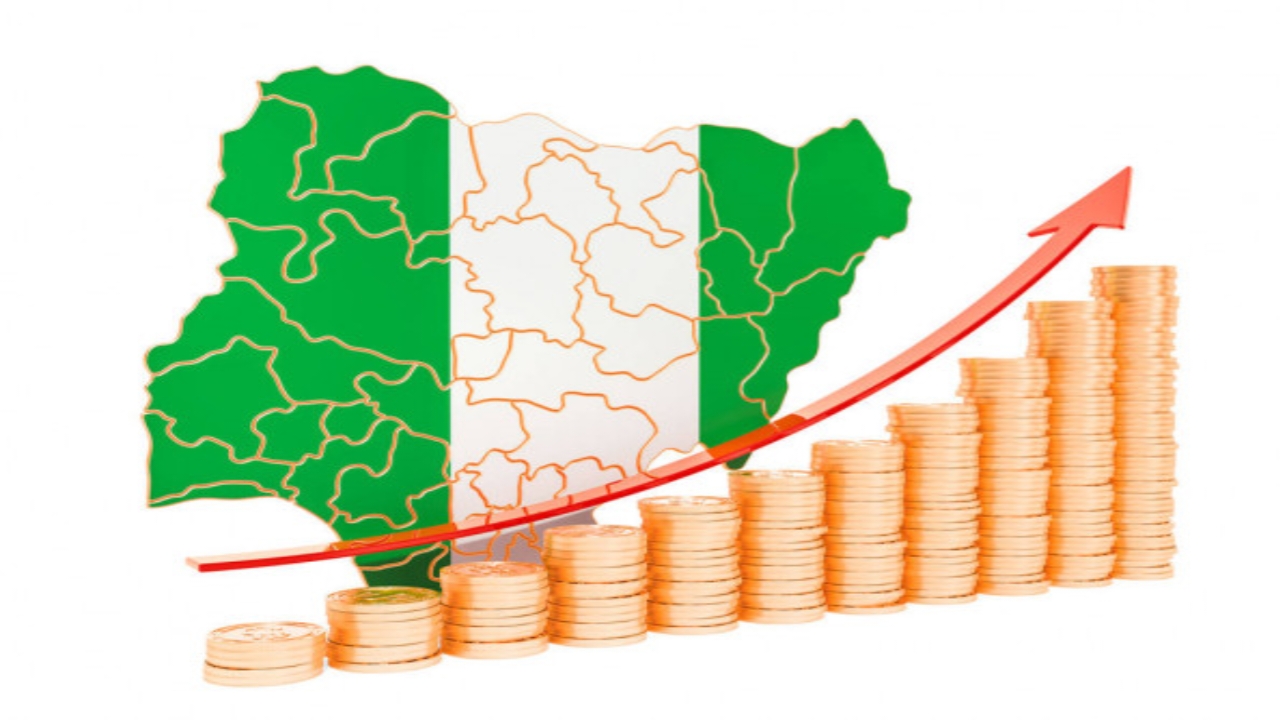
National News – Capital expenditure by 26 Nigerian state governments dropped sharply by N2.19tn in the first quarter of 2026, raising concerns about slowing infrastructure development as political activities ahead of the 2027 general elections intensify.
The decline, according to quarterly financial reports published by the states, represents a 58 per cent fall from N3.79tn recorded in the last quarter of 2025 to N1.59tn between January and March 2026.
The reports, analysed in Abuja on Sunday, showed that most states reduced spending on roads, schools, hospitals, water projects, electricity infrastructure, and other development projects.
Analysts linked the decline to rising debt burdens, fiscal pressures, and increased political calculations ahead of the next elections.
Lagos remained the highest-spending state despite reducing its capital expenditure from N535.46bn to N340.76bn.
Oyo emerged as the only major state to increase spending, recording a rise from N105.35bn to N231.27bn, representing a 119.5 per cent increase.
The state also recorded the highest borrowing figure of N164.88bn during the period.
States such as Akwa Ibom, Bayelsa, Enugu, Katsina, and Cross River recorded major declines in capital spending.
Enugu posted one of the sharpest reductions, falling by over 91 per cent within three months.
The reports also revealed that 13 states borrowed a combined N361.98bn despite the drop in capital projects.
Economists warned that increasing debt without stronger revenue generation could worsen fiscal sustainability challenges for many states.
Professor Segun Ajibola of Babcock University blamed high governance costs and weak accountability for the poor impact of public spending.
Financial analyst Teslim Shitta-Bey also cautioned that excessive borrowing could threaten state finances in the coming years.
However, the Chief Executive Officer of the Centre for the Promotion of Private Enterprise, Muda Yusuf, explained that capital projects often experience slower spending in the first quarter because procurement and contracting processes take longer than recurrent expenditure.