By Our Correspondent
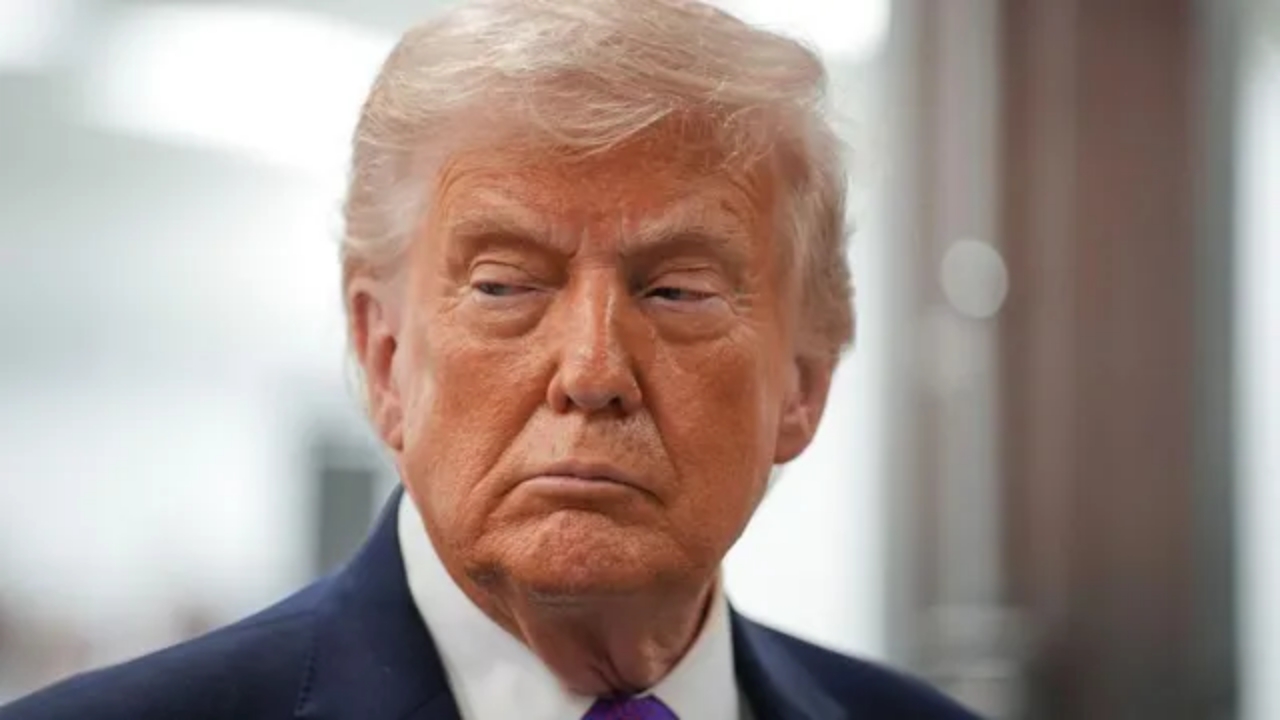
National News – US President Donald Trump has stirred global debate after resharing a post on Truth Social on Wednesday suggesting the renaming of the strategic Strait of Hormuz as the “Strait of Trump.”
The post included a map labeling the vital maritime corridor, which connects the Persian Gulf to the Gulf of Oman.
The Strait is one of the world’s most important energy routes, responsible for a significant share of global oil shipments daily.
The move, though symbolic, comes amid rising tensions between the United States and Iran.
Analysts say the gesture reflects political signaling rather than formal policy, raising concerns about diplomacy, regional stability, and global energy security.
The development has triggered widespread discussion on how digital political messaging can influence international narratives.
The Strait of Hormuz remains a critical chokepoint in global trade, with nearly one-fifth of the world’s crude oil passing through it every day.
The proposal resurfaced amid ongoing geopolitical friction between Washington and Tehran over sanctions, nuclear negotiations, and maritime security operations.
Oil markets responded with volatility as Brent crude prices climbed on fears of potential disruption to supply chains.
Energy experts warn that any instability in the Strait can rapidly affect global fuel prices and investor confidence.
The United States has not issued any official directive to rename the waterway, and international maritime conventions prevent unilateral changes to globally recognized sea routes.
The controversy highlights how symbolic political actions can shape global discourse even without legal authority.
While the idea of renaming the Strait of Hormuz holds no official standing, it underscores continuing tensions in Middle East geopolitics and the sensitivity of global energy corridors.
Observers expect sustained attention from markets and policymakers as developments around the region continue to unfold.