By Our Correspondent
National News – The United States has announced strict enforcement of visa restrictions on individuals found guilty of religious persecution, warning that violators and their immediate family members could be denied entry into the country.
The policy follows growing concerns over violent attacks targeting religious groups in parts of Nigeria and other regions.
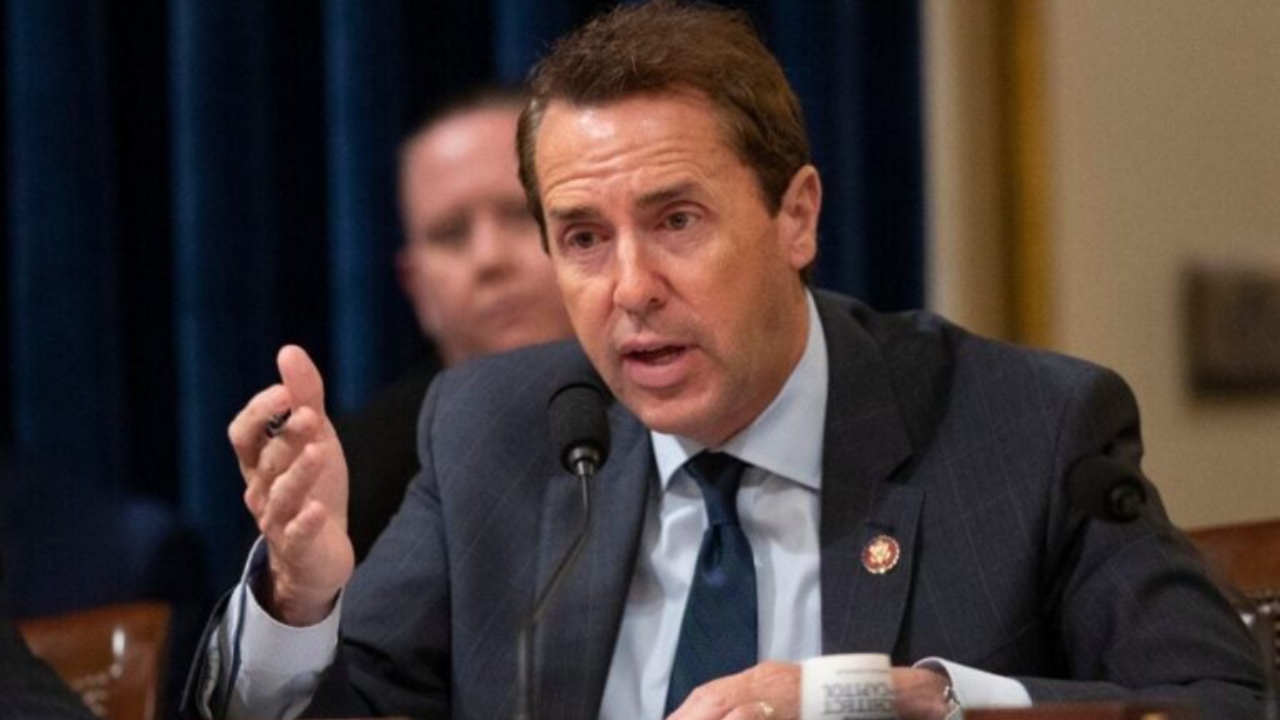
According to the U.S. Principal Advisor for Global Religious Freedom, Mark Walker, the policy was reaffirmed after U.S. Secretary of State Marco Rubio approved new measures to restrict entry for anyone found to have supported or carried out religious violence.
The announcement was made on Friday, April 10, 2026, through an official statement shared on social media.
Walker explained that individuals who have directed, funded, or significantly supported violations of religious freedom would face strict visa restrictions under U.S. immigration law.
The decision is based on Section 212(a)(3)(C) of the Immigration and Nationality Act, which also allows sanctions to extend to family members of offenders.
The U.S. Department of State emphasised that the policy responds to continued attacks on Christians and other religious groups by violent extremists, including radical Islamist groups and armed militias.
The U.S. government stressed that the policy applies globally, including to Nigeria, where escalating violence and insecurity have raised concerns about religious freedom.
This development comes shortly after the United States Mission in Nigeria suspended visa appointments at the Abuja embassy following security concerns.
On April 9, 2026, the embassy confirmed that visa services were temporarily halted while emergency services remain available.
The advisory followed the authorisation for non-essential U.S. staff and their families to depart due to rising insecurity, including terrorism, kidnappings, and civil unrest.
The U.S. government maintained that perpetrators of religious persecution would not be welcomed into the country and reaffirmed its commitment to protecting religious freedom and global security.