Did You Know?
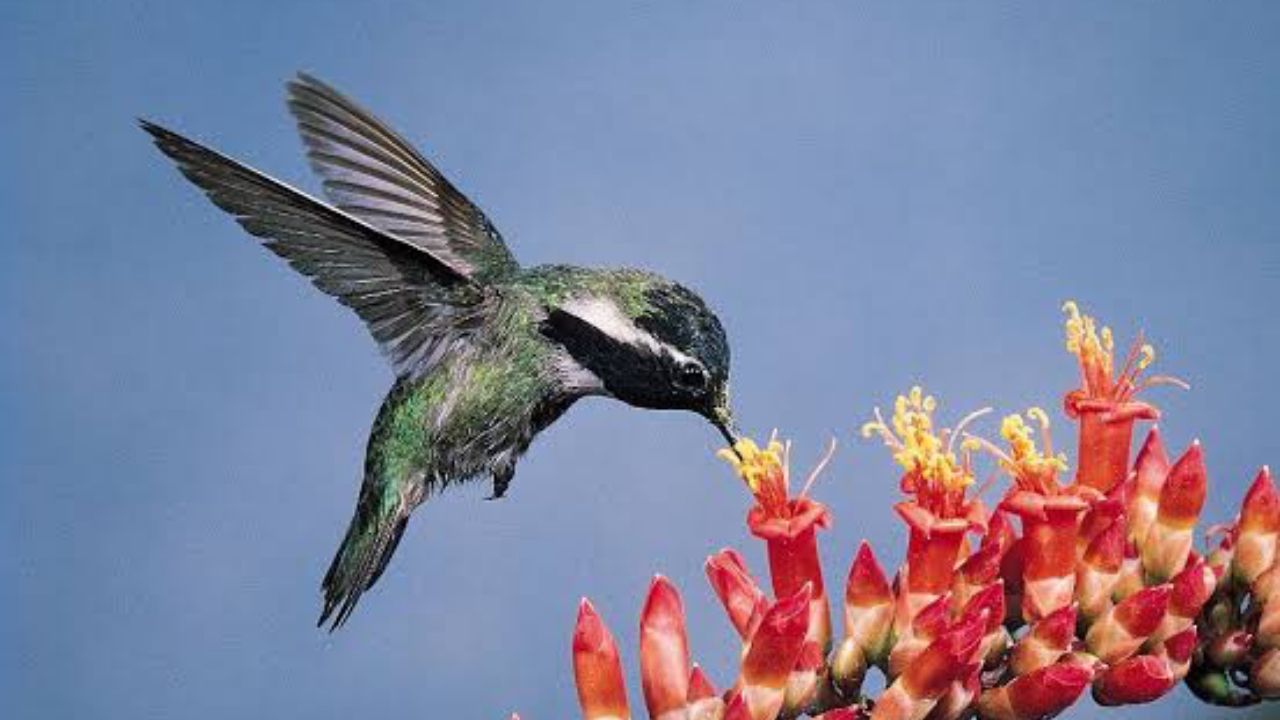
Hummingbirds are among nature’s most remarkable aerial performers, celebrated for their ability to fly backward, hover in mid-air, and dart with precision unlike most birds.
These tiny birds achieve this through rapid wing beats and unique shoulder joint rotation, making them a major focus in wildlife research, bird migration studies, and avian aerodynamics.
Their hovering capability allows them to feed on nectar while remaining stationary, a skill that supports pollination and ecosystem balance across forests and gardens.
Scientists often highlight hummingbird flight mechanics as a breakthrough in biomimicry and drone technology innovation.
Swifts are equally fascinating birds known for their extraordinary ability to remain airborne for long periods, even sleeping while in flight by shutting down one half of their brain at a time.
This adaptation, widely studied in ornithology and migration science, allows swifts to travel across continents without landing for days, making them one of the most efficient aerial navigators in the animal kingdom.
Researchers studying bird behavior and sleep cycles note that this half-brain rest mechanism helps swifts conserve energy while maintaining flight stability during migration routes over oceans and deserts.
In recent wildlife documentaries and aviation-inspired studies, both hummingbirds and swifts are frequently highlighted for their biological adaptations that inspire drone engineering and sustainable flight technology.
Their unique abilities continue to attract attention in environmental science, with ongoing research focused on energy efficiency, aerodynamics, and survival strategies in extreme atmospheric conditions.
These discoveries not only improve understanding of natural flight systems but also influence modern aerospace innovation, especially in designing small autonomous flying machines.
Wildlife conservationists emphasize that protecting habitats for these species is essential, as climate change and urban expansion continue to threaten migratory pathways and feeding grounds across different regions of the world.
Public awareness campaigns and scientific publications increasingly showcase hummingbirds’ hovering precision and swifts’ aerial sleep behavior as symbols of evolutionary excellence in the natural world.
This makes them key subjects in ongoing research on flight efficiency and brain adaptation in birds.
Now, you know.
National News