By Our Correspondent
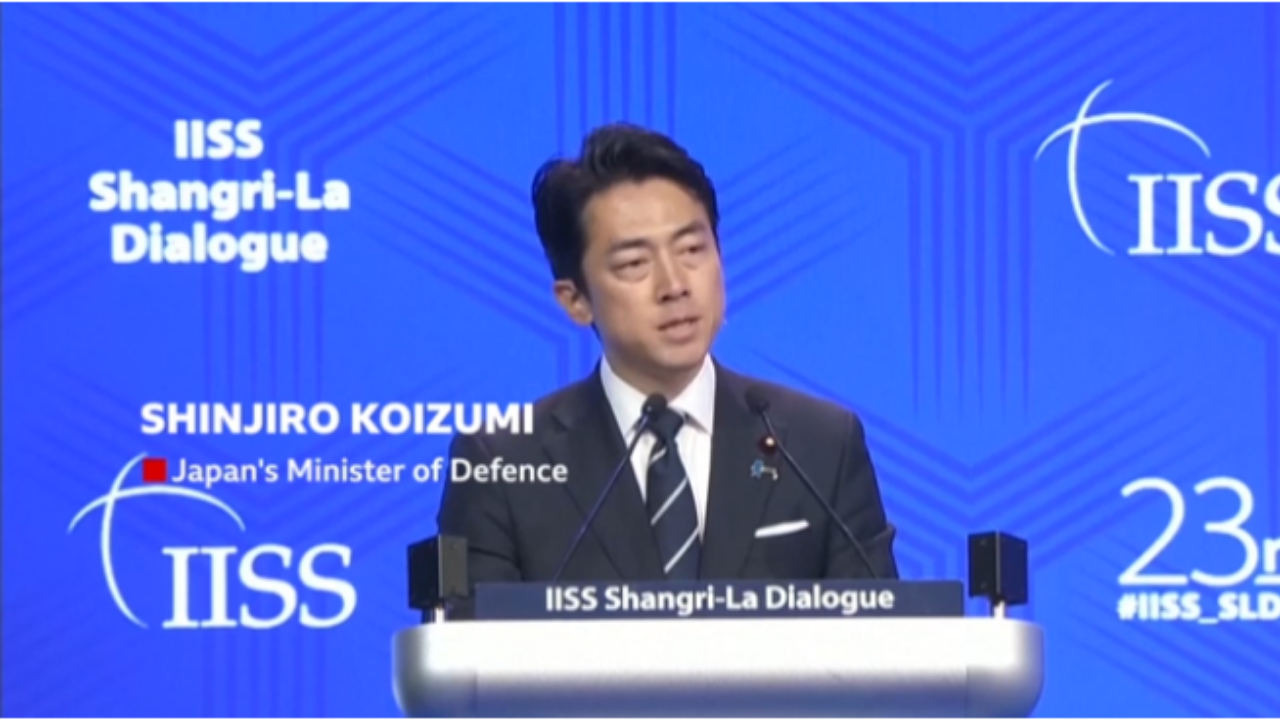
National News – Japan’s Defence Minister Shinjiro Koizumi has denied China’s claim of “new militarism” at the Shangri-La Dialogue in Singapore, saying Japan’s defence build-up is defensive.
He accused Beijing of expanding its military arsenal without transparency while tensions rise between the two Asian powers over history, security, and regional influence in the Indo-Pacific.
The exchange happened on the final day of the Singapore security summit, where China accused Japan of remilitarisation.
Koizumi responded that Japan’s rising defence budget, now over 9 trillion yen, is for self-defence and regional peace, not aggression, amid growing concern over China’s expanding nuclear and missile capabilities.
Historical tensions dating back to World War Two continue to shape Japan–China relations, with Beijing repeatedly criticising Tokyo’s military expansion.
Japan under Prime Minister Sanae Takaichi is investing in drones, missiles, and advanced defence systems, while insisting its posture remains pacifist and focused on deterrence rather than offensive military action.
Koizumi stressed Japan would proceed with transparency and continued dialogue, promising clear explanations of its defence strategy to neighbouring countries.
He also sidestepped questions on wartime apologies demanded by Chinese representatives, instead reiterating concerns over China’s rapid military growth and maintaining that Japan’s diplomatic door remains open for future communication.
The dispute highlights growing Indo-Pacific security competition, as both nations expand defence capabilities while trying to avoid direct conflict.
Inside Japan, public opinion remains divided, with protests and debate over constitutional pacifism and fears that rising militarisation could increase regional instability across Asia in the coming years.
Analysts warn that continued military build-up and rhetoric could heighten strategic rivalry, even as diplomatic channels remain active through regional security forums and alliances involving the United States.