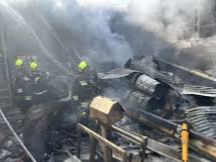
Isfahan, Iran – A tragic accident occurred on Tuesday when an Iranian army helicopter crashed into a bustling fruit market in Khomeynishahr, central Isfahan province, claiming four lives, state media reported.
According to Iran’s official IRNA news agency, the victims included the helicopter’s pilot and co-pilot, as well as two fruit vendors on the ground. Preliminary investigations point to a “technical malfunction” as the cause of the crash.
The incident highlights growing safety concerns for Iran’s military aircraft, which have struggled to remain operational due to international sanctions.
Officials have frequently warned about difficulties in acquiring spare parts for the aging fleet, raising the risk of accidents during routine operations.
This crash follows a similar air disaster just days earlier. An Iranian fighter jet went down during a late-night training exercise in Hamedan province, resulting in the death of one pilot and serious injury to the other.
These incidents underscore ongoing operational and maintenance challenges facing Iran’s air force.
Authorities have launched investigations to determine the exact cause of the helicopter crash and prevent future occurrences.
Local emergency teams quickly responded to the scene, assisting the injured and managing the aftermath in the crowded market area.
Iran has experienced a series of aviation accidents in recent years, largely attributed to outdated aircraft and limited access to modern components.
Analysts say such accidents could continue unless the military fleet undergoes modernization or alternative supply channels for spare parts are established.
The helicopter crash in Isfahan has drawn attention on social media, with citizens expressing grief for the victims and calling for stricter safety regulations.
Government officials have urged calm while promising full transparency in the investigation.
This latest air disaster adds to the list of challenges for Iran’s armed forces, emphasizing the importance of maintenance and safety protocols in preventing avoidable tragedies.