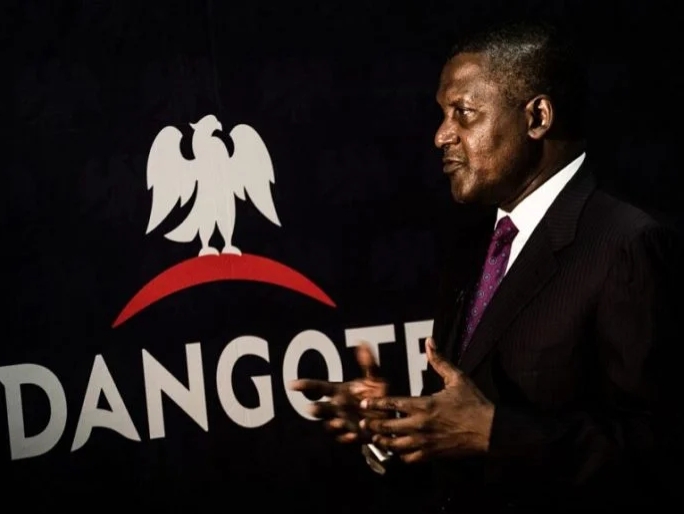
The Dangote Petroleum Refinery has secured a landmark offtake agreement with 12 major petroleum marketers to distribute between 60 million and 65 million litres of Premium Motor Spirit (petrol) daily across Nigeria.
The deal is expected to enhance nationwide fuel availability, stabilise pump prices, and strengthen Nigeria’s energy security.
President of the Dangote Group, Aliko Dangote, confirmed that the refinery will prioritise domestic supply before exporting surplus volumes estimated at 15 to 20 million litres per day.
Nigeria’s current petrol consumption ranges between 50 million and 60 million litres daily, positioning the refinery as a key driver of fuel self-sufficiency.
On a monthly scale, the refinery is projected to supply between 1.8 billion and over 2 billion litres of petrol, depending on production levels.
This development builds on an earlier 2025 framework designed to curb fuel scarcity, eliminate speculative hoarding, and reduce price volatility in the downstream petroleum sector.
The structured offtake arrangement, endorsed by the Nigerian Midstream and Downstream Petroleum Regulatory Authority, assigns nationwide distribution to selected marketers.
Participants include MRS Oil Nigeria Plc, Nigerian National Petroleum Company Limited Retail, 11 Plc, TotalEnergies Marketing Nigeria, Ardova Plc, Conoil Plc, and other major operators.
Group Chief Executive Officer of NNPC Limited, Bayo Bashir Ojulari, described the 650,000 barrels-per-day facility as transformative for Nigeria’s oil and gas sector, noting that operational output has exceeded expectations.
Following downstream deregulation and fuel subsidy removal under President Bola Tinubu, the refinery is central to ending decades of petrol import dependence.
By conserving foreign exchange, improving trade balance, and positioning Nigeria as a net exporter of refined petroleum products in West and Central Africa, the initiative signals a major shift in the country’s energy landscape.
Industry analysts say the success of this structured distribution model could permanently resolve recurring fuel shortages and create a more predictable, investor-friendly petroleum market in Nigeria.