By Our Correspondent
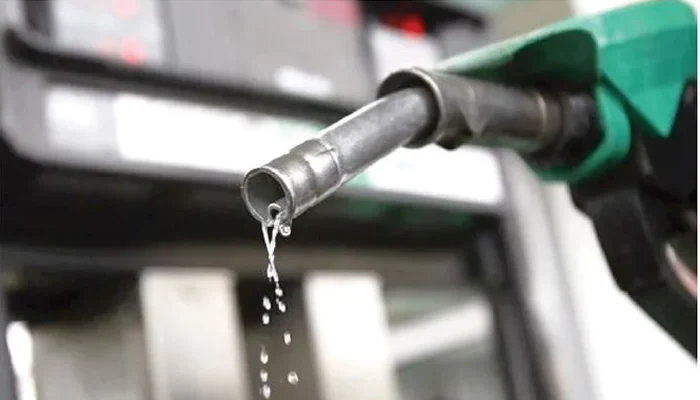
National News – Businesses across Nigeria are preparing for rising operational costs after the pump price of petrol surged to about N1,300 per litre in several parts of the country, triggering fresh concerns about inflation and the cost of living.
The sudden increase follows an adjustment by the Dangote Petroleum Refinery, which raised its gantry price of Premium Motor Spirit from N995 to N1,175 per litre within days.
The move pushed filling stations to quickly revise their pump prices, with many stations now selling petrol between N1,200 and N1,400 per litre.
Industry analysts say the development could significantly affect transportation, food distribution, manufacturing, and other sectors that rely heavily on fuel.
Economists and leaders of the organised private sector warn that the ripple effects of the hike could deepen inflationary pressure across the economy.
The price surge comes amid escalating tensions in the Middle East involving the United States, Israel, and Iran, which have disrupted global oil markets and pushed crude oil prices close to $120 per barrel before easing later in the day.
Explaining the adjustment, officials at the Dangote refinery said the company is operating within the realities of the global oil market.
They noted that crude oil is purchased at international benchmark prices and that shipping, insurance, and financing costs have risen sharply due to the geopolitical crisis.
Despite the price increase, the refinery maintains that its operations will help ensure fuel availability in Nigeria and prevent supply shortages during global disruptions.
Business groups, however, warn that rising petrol prices will inevitably translate into higher costs for goods and services.
The Lagos Chamber of Commerce and Industry noted that increased fuel prices are already affecting logistics and distribution networks, particularly in the food supply chain.
Similarly, small business owners say the rising energy costs will push up manufacturing and transportation expenses, forcing many companies to review pricing strategies in order to stay afloat.
Experts argue that Nigeria’s vulnerability to global oil shocks highlights the urgent need to expand domestic refining capacity and strengthen local manufacturing.
Meanwhile, global leaders are monitoring the crisis closely, with G7 nations discussing the possible release of emergency oil reserves to stabilise international energy markets if the conflict persists.
If the situation continues, industry observers warn that petrol prices in Nigeria could climb even higher in the coming months.