By Our Correspondent
National News – Iran has intensified its military actions in the Middle East, signaling that missile attacks will continue as the conflict with the United States and Israel escalates.
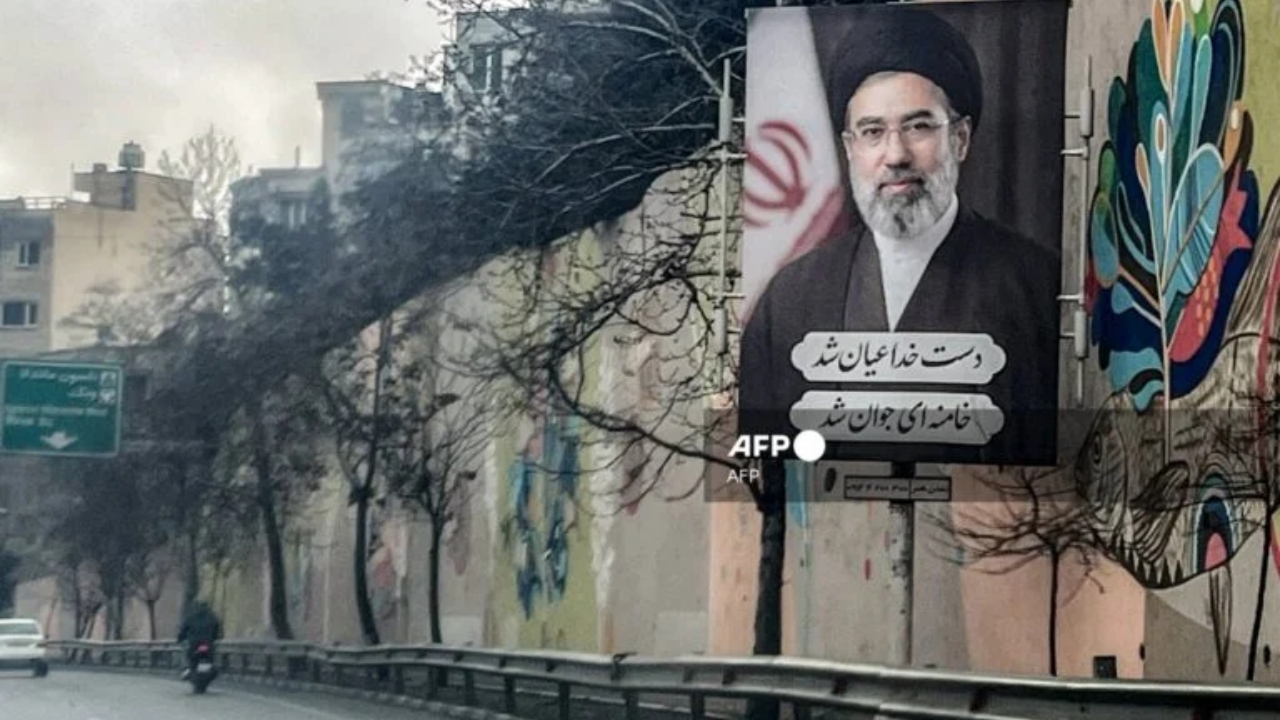
The recent appointment of Ayatollah Mojtaba Khamenei as Iran’s new supreme leader has coincided with a renewed barrage of missile and drone strikes targeting Israel and US interests across the region.
The attacks have disrupted shipping traffic in the strategic Strait of Hormuz, through which nearly 20% of the world’s crude oil typically passes, raising global oil price concerns.
Iran’s foreign minister, Abbas Araghchi, confirmed in a PBS News interview on Tuesday that talks with the United States are “not on the agenda,” citing Tehran’s “very bitter experience” in previous negotiations.
The announcement comes nearly two weeks after US and Israeli forces launched strikes that killed former supreme leader Ayatollah Ali Khamenei, just before a scheduled round of talks mediated by Oman.
Iranian officials have insisted their actions are strictly defensive, vowing to continue attacks as necessary.
Iranian deputy foreign minister Kazem Gharibabadi also revealed that countries including China, Russia, and France, as well as some regional states, have reached out to urge a ceasefire.
French President Emmanuel Macron announced that France and its allies are preparing a defensive mission to reopen the Strait of Hormuz.
Despite these efforts, Iranian authorities maintained that they did not initiate the conflict, framing their strikes as self-defense in response to foreign aggression.
The war, now in its 11th day, has heightened fears of wider regional instability.
Shipping disruptions in the Persian Gulf, combined with ongoing missile strikes, are affecting global energy markets and prompting concern from international observers.
Experts warn that the continued escalation could prolong conflict in the Middle East and further impact oil prices, international trade, and regional security.
As tensions rise, Iran’s leadership remains defiant, and the international community continues to monitor developments closely.
Analysts suggest that the coming days may determine whether diplomatic efforts can de-escalate the crisis or if military confrontations will intensify.