
Did You Know?
The oceans are home to an astonishing diversity of life, with 50% to 80% of Earth’s living organisms residing beneath the waves. Despite covering over 70% of the planet’s surface, the depths of the seas remain one of the least explored ecosystems on Earth.
From the tiniest plankton to the largest whales, the ocean hosts organisms of every imaginable shape and size.
Plankton, though microscopic, form the foundation of the marine food chain and play a crucial role in producing the oxygen we breathe.
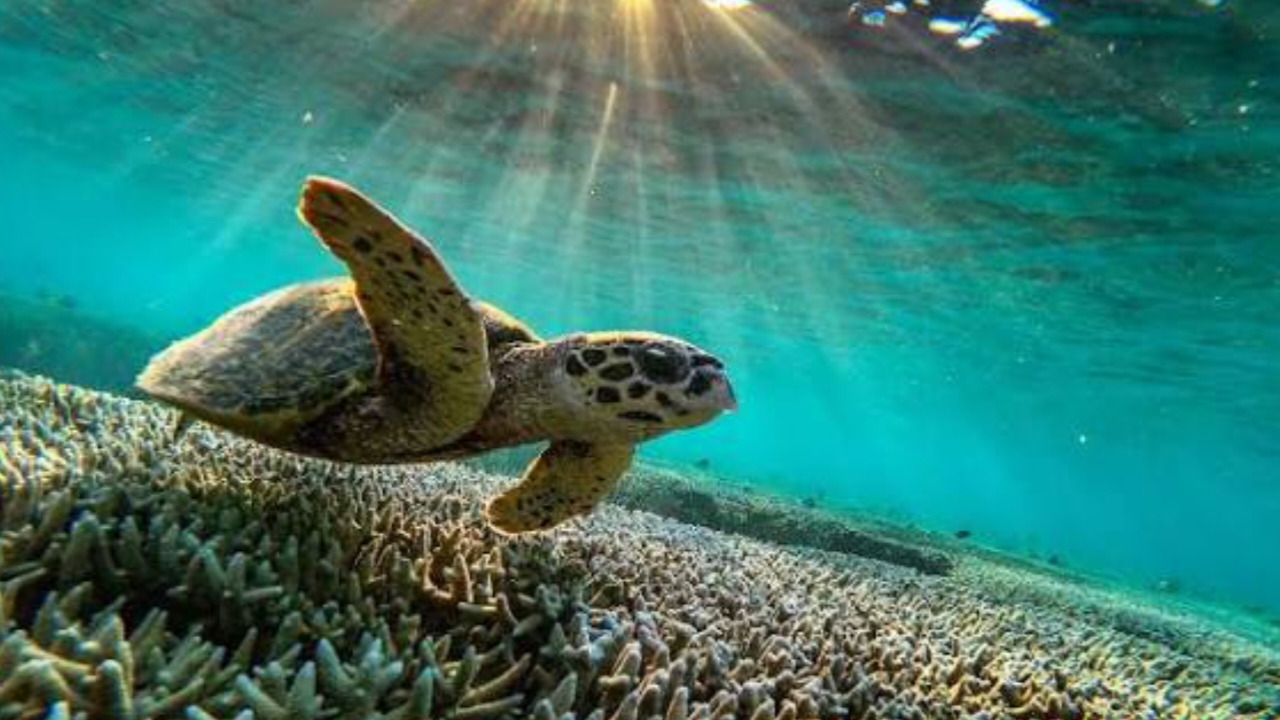
Coral reefs, often called the “rainforests of the sea,” provide shelter and breeding grounds for thousands of marine species.
They occupy less than 1% of the ocean floor yet support around 25% of all marine life, demonstrating the incredible density of life in specific underwater habitats.
Deep-sea environments, far below the sunlit zones, are home to unique organisms that thrive under extreme pressure and cold temperatures.
Bioluminescent species, which produce their own light, navigate these dark realms in fascinating ways, offering insights into adaptations unlike any seen on land.
Many marine creatures exhibit remarkable behaviors that scientists are still discovering.
Certain species of octopus and cuttlefish can change color and texture to camouflage, communicate, or deter predators—skills vital for survival in complex underwater ecosystems.
The ocean also plays a critical role in regulating Earth’s climate. Phytoplankton not only serve as food for marine life but also absorb carbon dioxide, helping to mitigate the effects of climate change.
This demonstrates the interconnectedness between underwater life and global environmental health.
Human activity, however, poses serious threats to these ecosystems.
Overfishing, pollution, and climate change are reducing biodiversity and endangering countless species, some of which have yet to be discovered.
Preserving ocean habitats is therefore crucial to maintaining the balance of life on our planet.
Researchers estimate that millions of marine species remain unidentified. Each expedition into the deep sea can uncover new organisms, from bizarre invertebrates to previously unknown fish species, highlighting the ocean’s vast unexplored potential.
Education and awareness about underwater life are essential. By understanding how much of Earth’s biodiversity lies beneath the surface, we can better appreciate the oceans’ value and promote conservation efforts that protect these vital ecosystems for future generations.
Next time you gaze at the sea, remember that the vast majority of life on Earth is hidden beneath the waves, thriving in ways that are both mysterious and essential to our planet’s survival. The ocean truly is a world of wonders, waiting to be explored.
Now, you know.
National News