By Our Correspondent
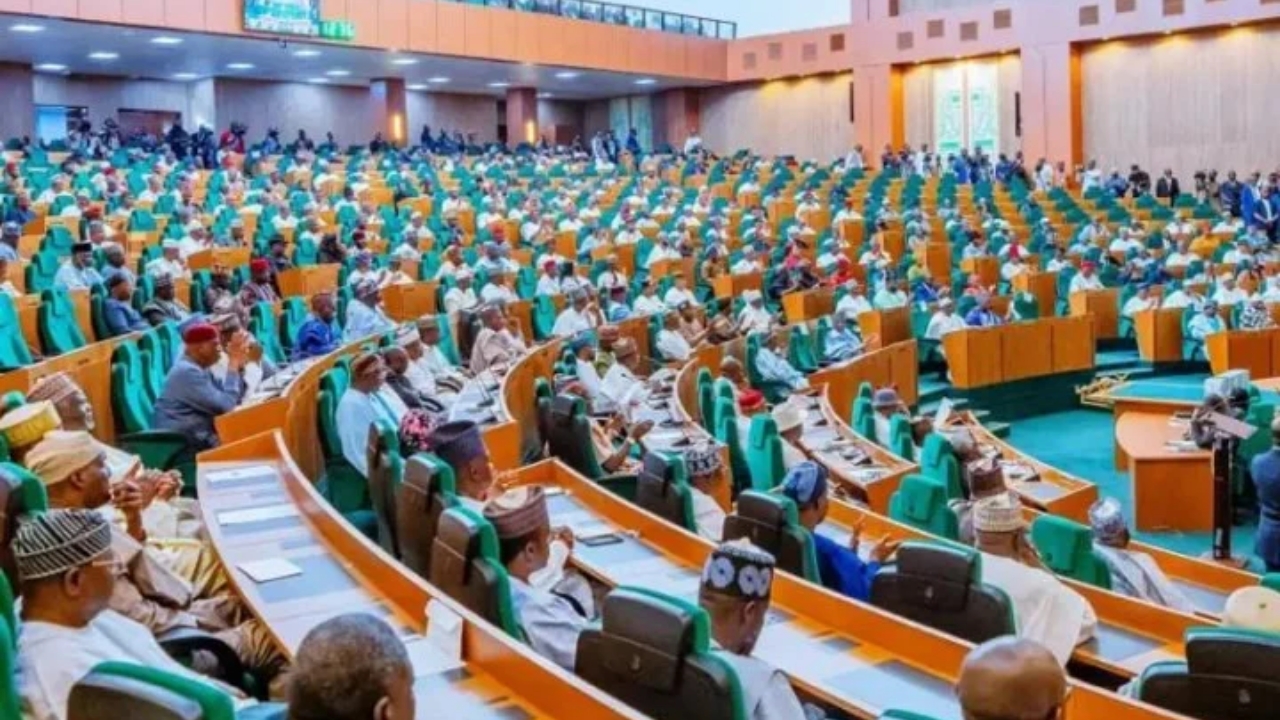
National News – Tension is mounting in the House of Representatives ahead of its March 31 resumption, as lawmakers express frustration over the Federal Government’s failure to release funds for constituency projects captured in the 2024 and 2025 budgets.
The delay in paying contractors handling capital projects has sparked fears of a chaotic plenary session when members reconvene in Abuja.
Investigations reveal that many legislators are under pressure from constituents who accuse them of abandoning promised projects.
Constituency development projects remain a critical re-election tool, and with the 2027 general elections approaching, lawmakers worry that non-implementation of capital components in the 2025 budget could damage their political fortunes.
Some opposition members had earlier threatened to boycott plenary over what they described as poor budget implementation and lack of fiscal transparency.
The controversy has also triggered calls for accountability in the finance sector, with murmurs about possible demands for the removal of key public finance officials.
A ranking lawmaker from the North-West said members feel embarrassed returning home without tangible projects to showcase.
According to him, repeated assurances that funds would be released have not translated into action, leaving contractors unpaid and projects stalled.
Civic groups have weighed in, cautioning lawmakers against grounding legislative activities.
They argue that while frustration over unpaid contractors is understandable, suspending parliamentary duties could undermine democratic governance and weaken institutional credibility.
Analysts note that the crisis reflects broader concerns about budget implementation, fiscal discipline, and executive-legislative relations.
As plenary resumes, all eyes will be on the Green Chamber to see whether dialogue prevails or tensions escalate into open confrontation.
With political stakes rising and public scrutiny intensifying, the coming session may prove decisive for both lawmakers and the credibility of Nigeria’s budget process.