By Our Correspondent
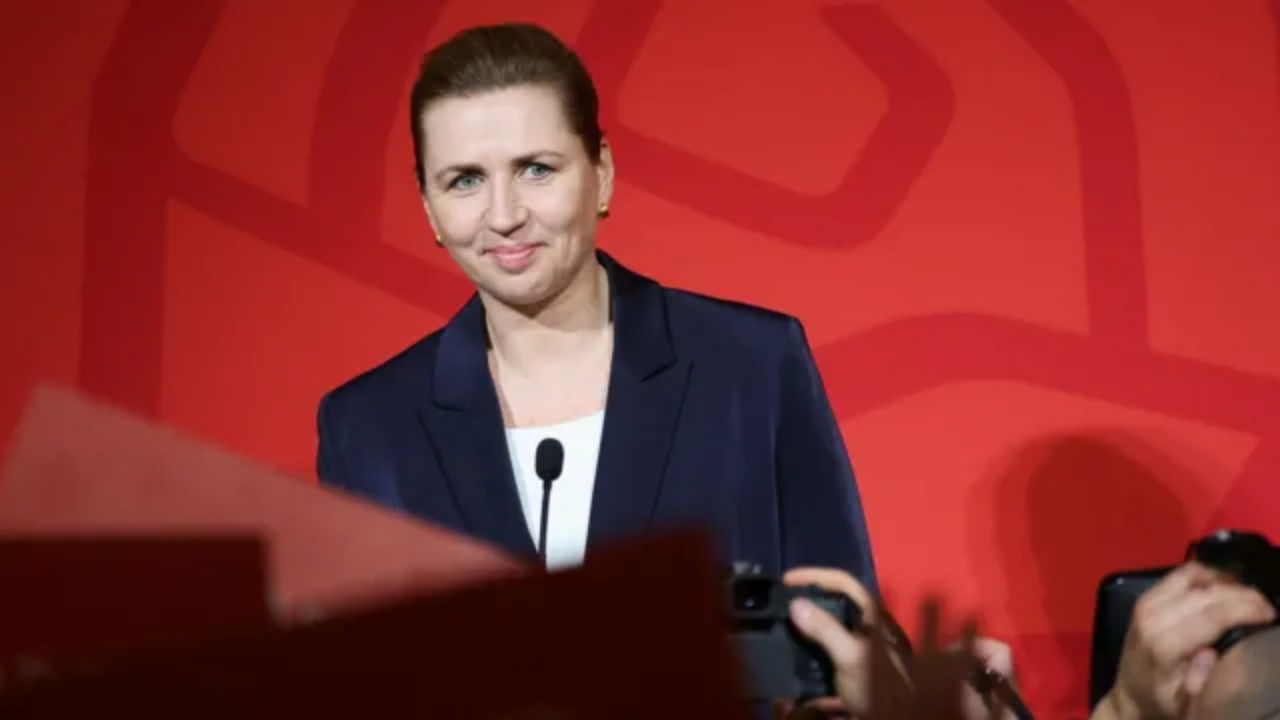
National News – Denmark’s Prime Minister, Mette Frederiksen, led the Social Democrats to win the most votes in Tuesday’s general election, but the party recorded its weakest performance since 1903.
Garnering 21.9% of the vote, Frederiksen’s left-wing bloc fell short of the 90 seats required for a parliamentary majority, leaving the country facing complex coalition talks.
Despite the setback, Frederiksen insisted she remained ready to serve a third term.
The Social Democrats, in power since 2019, claimed 84 seats, narrowly ahead of the right-wing “blue bloc,” which captured 77.
The election featured twelve parties, making it one of Denmark’s most competitive races in recent history.
Coalition negotiations are expected to be challenging, with the 14-seat centrist Moderates, led by former Prime Minister Lars Løkke Rasmussen, now holding the potential kingmaker role.
Rasmussen indicated he favors a centrist government, while the Liberal Party leader, Troels Lund Poulsen, urged a right-wing alliance.
Frederiksen called the snap election months ahead of schedule, aiming to capitalize on her boosted popularity after handling international tensions involving US President Donald Trump’s repeated attempts to acquire Greenland.
However, domestic issues such as the rising cost of living, economic concerns, welfare, pesticide levels in drinking water, and agriculture’s climate impact dominated voter priorities.
Political analysts suggest a likely outcome could be a center-left coalition including the Social Democrats, Red-Greens, Moderates, and the Danish Social Liberal Party.
Both major blocs fell short of the 90-seat threshold in Denmark’s 179-seat parliament, making negotiations critical for forming a stable government.
Frederiksen acknowledged the tough result but celebrated the Social Democrats remaining “Danes’ absolute favourite political party.”