By Our Correspondent
National News – The Lagos State Government on Tuesday, April 14, 2026, announced plans to introduce a new industrial policy aimed at boosting economic growth and strengthening Nigeria’s drive toward a $1 trillion economy.
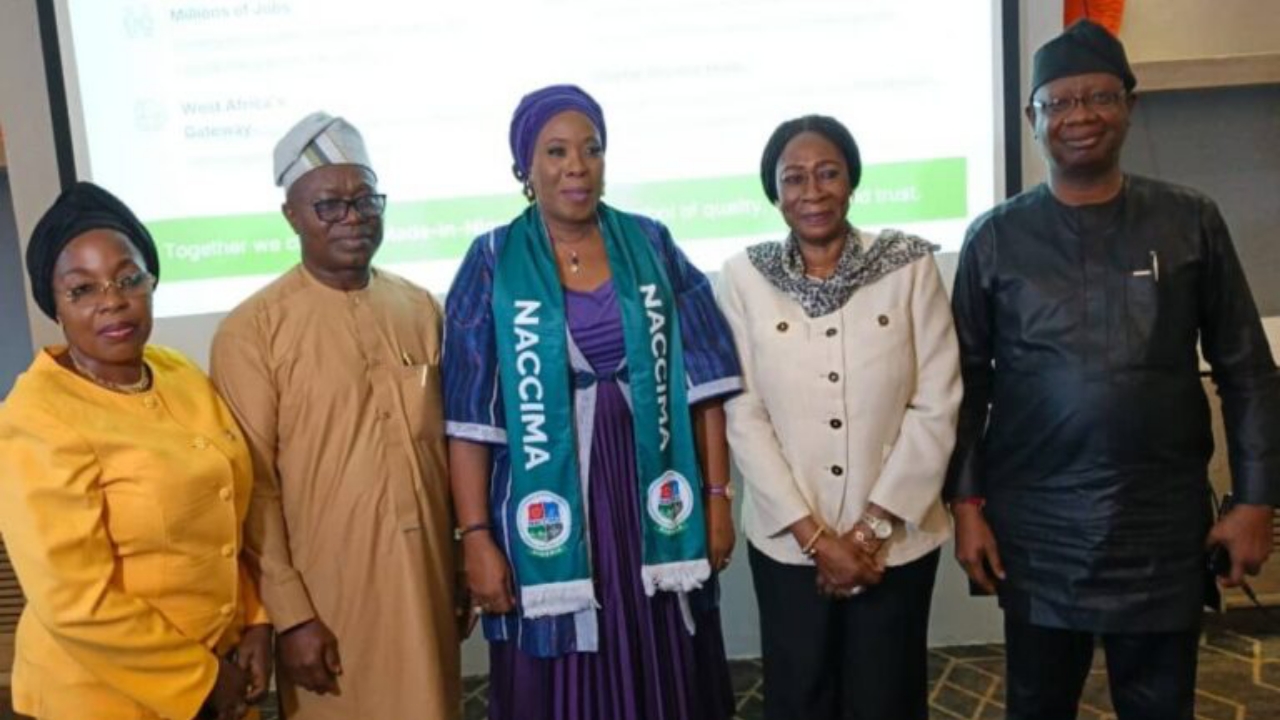
The disclosure was made in Lagos by the Commissioner for Commerce, Cooperatives, Trade and Investment, Mrs Folashade Ambrose, during a stakeholders’ roundtable organised by the Nigerian Association of Chambers of Commerce, Industry, Mines and Agriculture.
The proposed policy, expected to be officially launched before the end of April 2026, will target key sectors including cocoa, shea, lithium, textiles, petrochemicals, and agro-processing.
According to the government, the initiative will provide tax incentives, subsidised power, and dedicated industrial clusters to encourage value-added production instead of raw material exports.
Ambrose explained that the plan aligns with national economic priorities and global trade frameworks such as the African Continental Free Trade Area, which seeks to expand intra-African trade.
She noted that Nigeria currently exports large volumes of raw materials, especially shea nuts, but gains limited value due to low processing capacity.
To support small businesses, the government has also introduced a ₦10 billion non-collateral loan scheme for cooperative-based MSMEs, offering up to ₦10 million at single-digit interest rates.
This move is designed to improve access to finance, boost production, and enhance export competitiveness.
Stakeholders at the event emphasised that Nigeria’s export growth depends on improved infrastructure, better policy coordination, and access to affordable funding.
They also highlighted the need for efficient ports, simplified customs processes, and digital trade systems to reduce business costs.
The Lagos government stated that preparations are ongoing for the 2027 Intra-African Trade Fair, adding that establishing dedicated trade desks will be critical to effective policy implementation.
Overall, the industrial plan is expected to position Lagos as a central hub for Nigeria’s long-term economic transformation.