By Our Correspondent
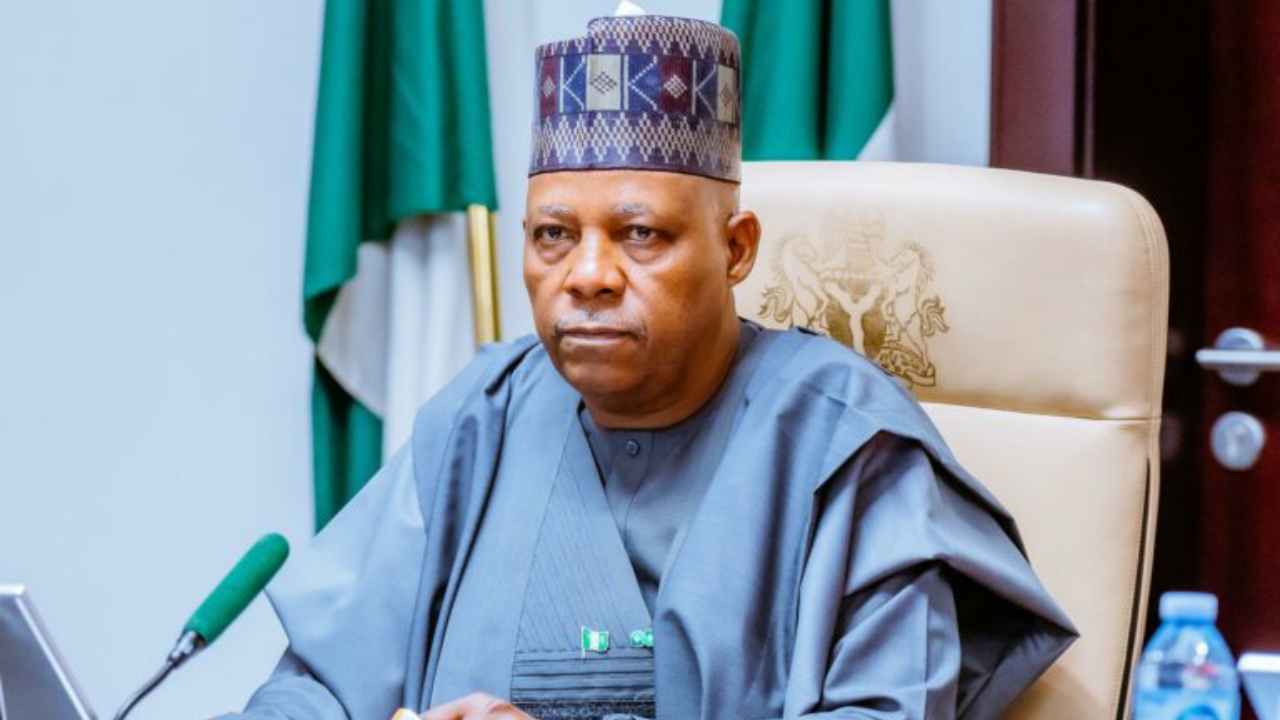
National News – Vice President Kashim Shettima has defended Nigeria’s proposed N68 trillion 2026 budget, rejecting calls for a leaner fiscal plan and insisting that a larger, forward-looking budget is necessary to drive economic growth and improve citizens’ living standards.
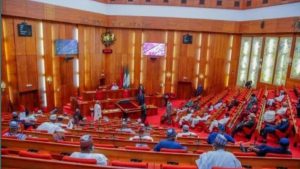
He spoke on Tuesday in Abuja at a National Policy Dialogue organised by the National Assembly’s Joint Committee on National Planning and Economic Affairs/Development.
Shettima, represented by his Special Adviser on Economic Matters, explained that the increase from the earlier figure was part of efforts by President Bola Tinubu’s administration to align fiscal planning with long-term development goals.
According to him, the expanded budget aims to reduce poverty, boost per capita income, and enhance key sectors such as health, education, and infrastructure.
He noted that recent policy measures, including reductions in tariffs on essential raw materials, pharmaceuticals, machinery, and manufacturing equipment, were introduced to stimulate productivity and ease economic pressure on Nigerians.
He emphasised that the government’s strategy is data-driven and focused on sustainable growth rather than short-term gains.
Meanwhile, former Budget Office Director-General Ben Akabueze highlighted systemic weaknesses in Nigeria’s budgeting process, revealing that over 56,000 abandoned projects nationwide point to poor alignment between planning and execution.
He stressed that budgets should serve as a clear roadmap directing resources toward development priorities, rather than merely outlining expenditures.
Akabueze also identified issues such as politicisation, delayed approvals, and weak institutional frameworks as key factors hindering effective budget implementation.
He called for stronger fiscal discipline, improved coordination, and reforms to ensure accountability and measurable outcomes.
The dialogue underscored growing concerns within government circles about the need to bridge the gap between national development plans and actual budget performance.
Both speakers agreed that without meaningful reforms, public spending may continue to fall short of delivering tangible benefits for Nigerians.