
Did You Know?
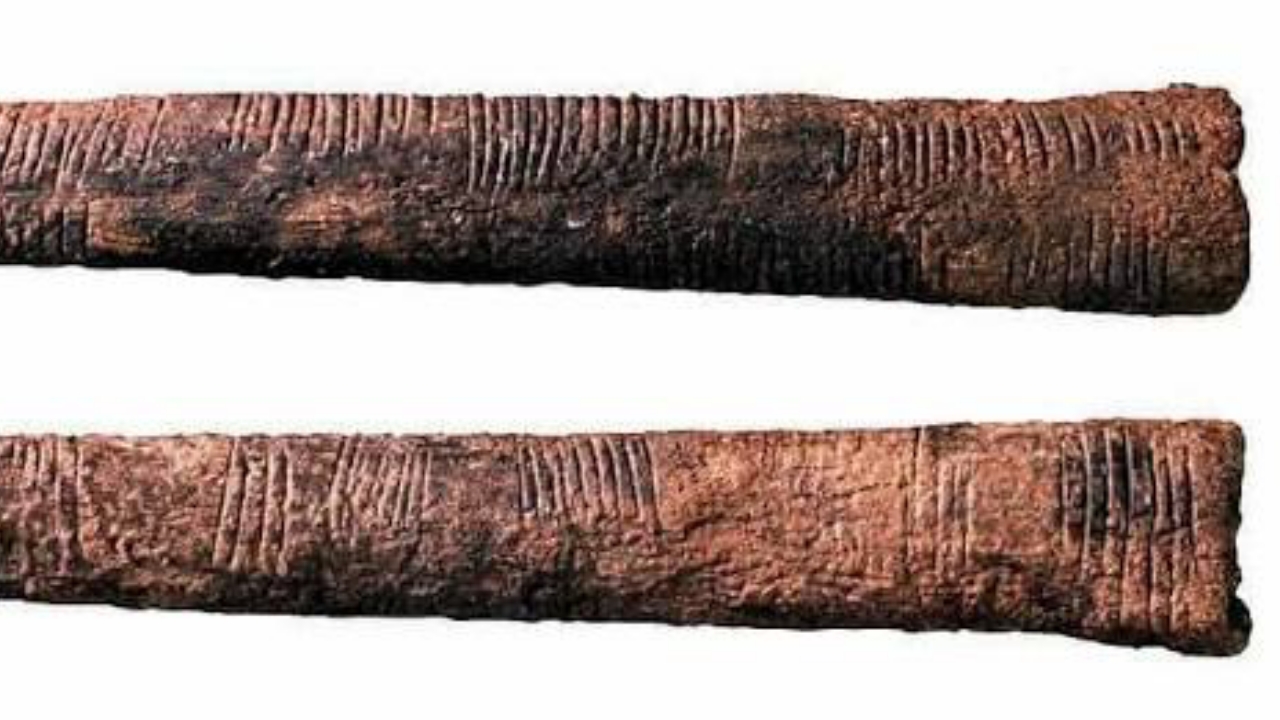
The Ishango bone archaeological discovery from the Democratic Republic of Congo, estimated to be about 25,000 years old, is widely regarded as one of the earliest known indications of arithmetic thinking in human history.
The engraved bone features a series of deliberate tally-like notches arranged in patterns that suggest more than random marking.
Researchers believe these engravings may represent early counting methods, lunar cycle tracking, or primitive record-keeping systems linked to survival needs such as food sharing or trade.
This makes the artifact a major reference point in discussions about the development of mathematics in prehistoric societies and highlights Africa’s important role in early intellectual progress.
Scholars and archaeologists continue to analyze the Ishango bone as a significant breakthrough in understanding how early humans developed numerical awareness.
The artifact, discovered near Lake Edward in the Congo region, provides strong evidence that structured counting systems existed long before written language.
Its importance lies not only in its age but also in the complexity of its markings, which some experts interpret as early evidence of mathematical reasoning.
Studies suggest that ancient communities in Central Africa may have used such tools to organize daily life, manage resources, and observe natural cycles.
The Ishango bone therefore remains a powerful symbol of Africa’s contribution to the origins of science, mathematics, and human cognition, attracting continued academic interest and public fascination worldwide.
Now, you know.
National News