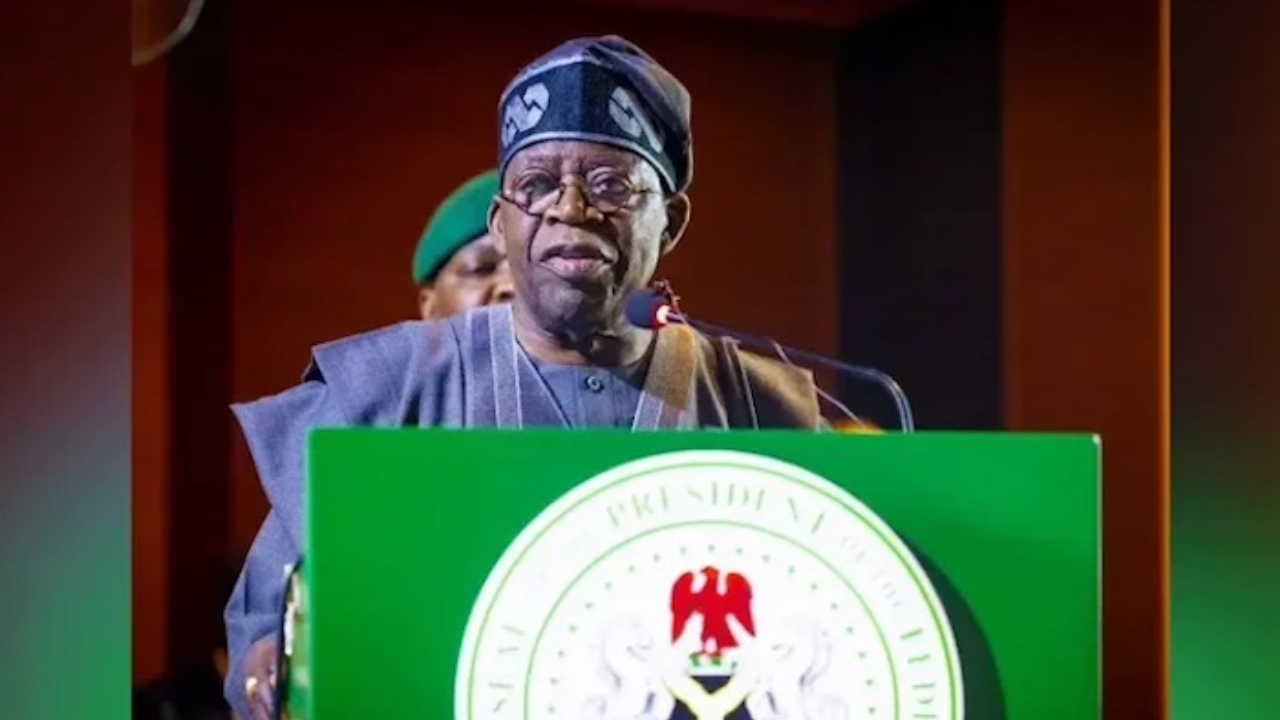
National News – President Bola Tinubu has approved a series of leadership changes across key federal education agencies, affecting examination, technical education, polytechnic administration and national library management, in a move announced on Wednesday, April 22, 2026.
The decision, made in Abuja, involves new appointments and tenure renewals aimed at strengthening governance within the Federal Ministry of Education.
Among the key appointments, Prof. Modupe Adeola Adelabu was named Chairman of the Governing Board of the National Examinations Council (NECO), while Prof. Babatunde Salako takes over as Chairman of the National Board for Technical Education (NBTE).
Dr Bongfa Binfa has been appointed Rector of the Federal Polytechnic, N’yak-Shendam in Plateau State, succeeding the outgoing pioneer rector whose tenure ended in March 2026.
The President also renewed Prof. Chinwe Veronica Anunobi’s tenure as Director-General of the National Library of Nigeria for a final five-year term.
According to the presidency, the appointments and renewals are designed to consolidate ongoing reforms, improve institutional efficiency, and sustain digital transformation initiatives in education and research.
Adelabu brings prior experience in educational administration and governance, while Salako is noted for his background in medical research leadership.
Binfa’s appointment reflects continuity from the polytechnic system, and Anunobi is expected to deepen ongoing library digitisation projects.
Education stakeholders in Lagos and other states have described the changes as a strategic attempt to stabilise key regulatory bodies amid growing pressure for improved examination integrity, skills development, and access to knowledge resources.
Analysts say the move could enhance coordination between technical education institutions and industry needs, though some observers caution that impact will depend on funding and implementation discipline.
The reshuffle signals a broader push by the administration to reposition education agencies as drivers of national development.
However, experts argue that leadership changes alone may not resolve systemic challenges such as infrastructure gaps and examination bottlenecks unless followed by sustained policy execution.
Observers note that effective monitoring and transparent funding will be critical to translating these appointments into measurable educational improvement nationwide.