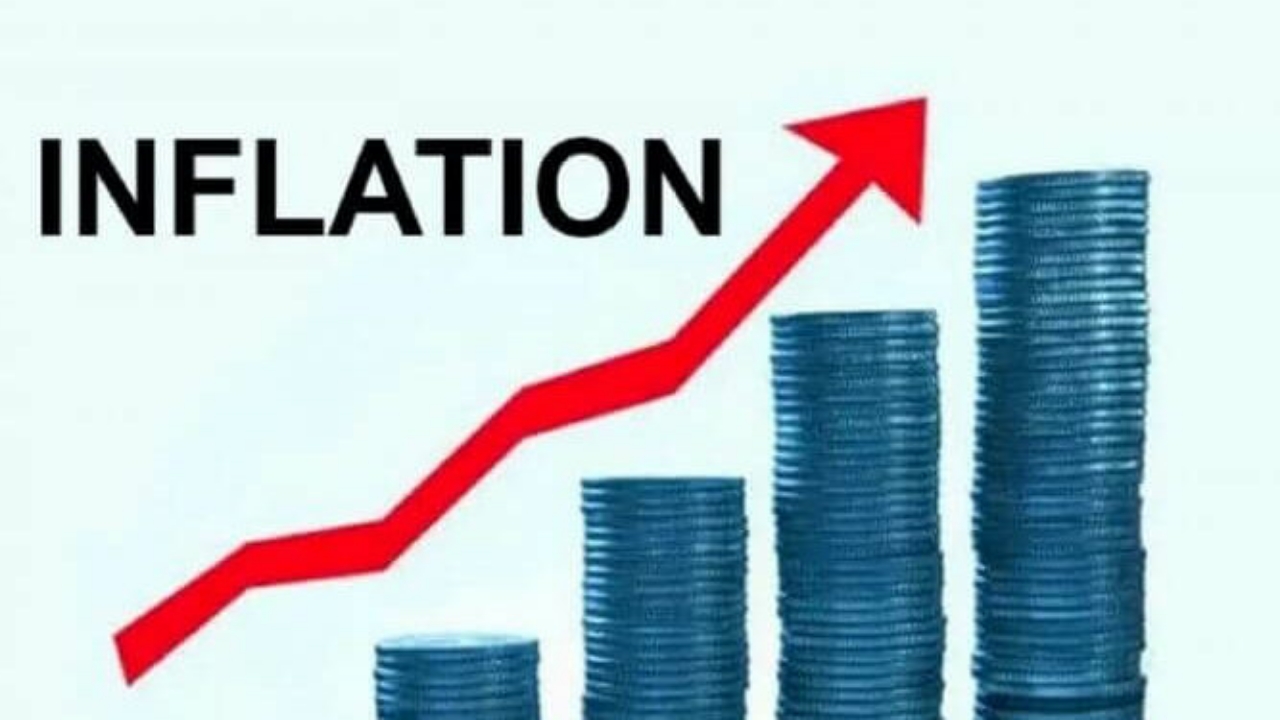
National News – Britain recorded a rise in inflation to 3.3 percent in March 2026, according to the Office for National Statistics in London, marking a notable increase driven by surging fuel and energy prices linked to ongoing Middle East conflict.
Economists said the spike, largely from higher oil and gas costs, could slow consumer spending and pressure the Bank of England to maintain interest rates.
Finance officials in the UK emphasized efforts to cushion households, including windfall tax adjustments on energy firms.
Analysts note that although inflation matches US levels, Europe’s rate remains lower, highlighting regional divergence in recovery patterns.
In Nigeria and other import-dependent economies, analysts in Lagos say rising global energy prices may indirectly increase transport and commodity costs, especially if crude oil volatility persists.
Market observers describe the situation as a reminder of how external shocks shape domestic inflation trends.
Public reaction in the UK has focused on cost-of-living pressures, with households expressing concern over fuel prices and utility bills.
The outlook suggests that if geopolitical tensions continue to disrupt oil supply routes, central banks may face a difficult balance between controlling inflation and supporting economic growth.
For Nigeria, where fuel subsidy reforms and currency pressures already affect living costs, global inflationary trends could amplify domestic price instability.
Experts advise diversification of energy sources and stronger fiscal buffers to reduce vulnerability to external shocks.
Overall, the inflation uptick reinforces concerns about prolonged cost-of-living challenges across multiple economies.
Commentators further argue that sustained inflation could influence upcoming monetary policy decisions in advanced economies, with potential spillovers into emerging markets through trade and investment channels.
In Nigeria, this may reflect in exchange rate pressures and imported inflation, particularly for fuel and food items.
Citizens are urged to brace for continued volatility while governments explore stabilisation measures and regional energy cooperation. Experts warn further risks ahead.