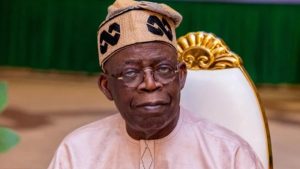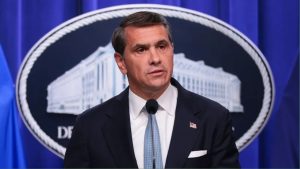
National News – Nigeria’s Federal Government has intensified its response to alleged threats against state authority, filing criminal charges against six individuals accused of involvement in a plot targeting the administration of President Bola Ahmed Tinubu.
The case, now before the Federal High Court Abuja, signals a decisive move to confront what officials describe as coordinated efforts to destabilise the country.
Those named in the charge sheet include two retired senior military officers, a serving police inspector, and three civilians, with former minister Timipre Sylva listed among individuals still being sought by authorities.
The allegations span treason, terrorism, and financial misconduct linked to suspected terror financing networks.
Prosecutors claim the accused were connected through a network of meetings, undisclosed intelligence, and suspicious financial transactions believed to have supported activities capable of undermining Nigeria’s constitutional order.
Significant sums of money were reportedly traced to some of the defendants, raising further concerns about the role of illicit funding in national security threats.
The case adds fresh momentum to a series of developments that began in late 2025, when speculation about internal security breaches emerged following the cancellation of Independence Day celebrations.
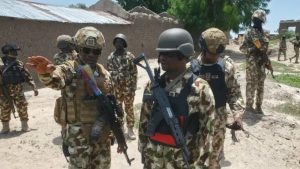
Arrests within military ranks and subsequent confirmations from defence authorities have since pointed to deeper institutional vulnerabilities.
Reactions across Abuja and Lagos reflect a divided public mood.
While some residents see the prosecution as a necessary step to preserve stability, others remain cautious, urging transparency and adherence to due process.
Families of detained suspects have continued to push for open proceedings, highlighting ongoing concerns about fairness and accountability.
Observers note that the trial could shape future responses to alleged coup threats, particularly in cases involving both security personnel and civilians.
It also underscores a broader shift toward tracking financial flows as part of counter-terrorism strategy.
The outcome is likely to carry significant implications—not only for those directly involved but also for public trust in Nigeria’s legal and security institutions.