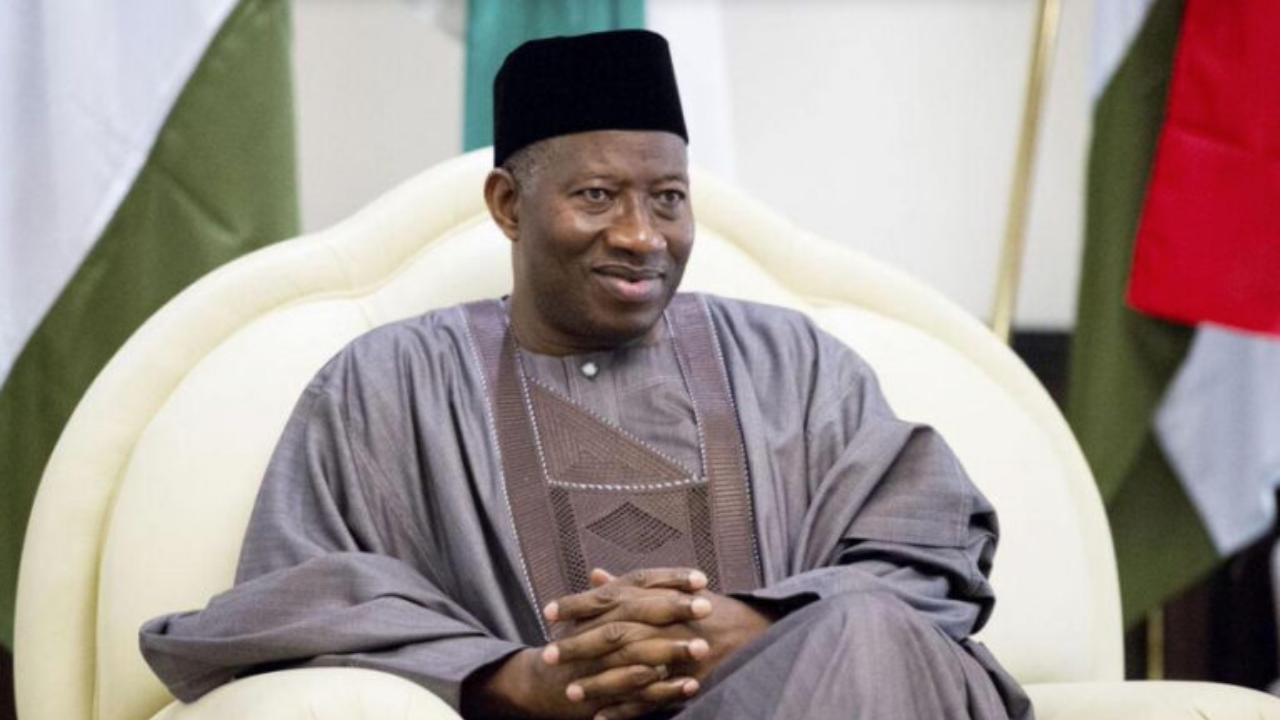
National News – Former President Goodluck Jonathan has pushed back against criticism from former Vice President Atiku Abubakar, insisting he gave his best while leading Nigeria between 2010 and 2015.
His response came after Atiku, during a televised interview, described Jonathan as inexperienced and blamed that for governance lapses.
Jonathan made his remarks on Monday in Abuja at an event hosted by the Association of Retired Career Ambassadors of Nigeria.
Addressing diplomats, he acknowledged that mistakes are inevitable in leadership but rejected the idea that age or inexperience defined his presidency.
He questioned critics who argued he was too young at 53 to lead, noting that leadership outcomes cannot be reduced to age alone.
The exchange highlights growing political tension ahead of future electoral contests, with Atiku positioning himself alongside figures like Peter Obi, Rotimi Amaechi, and Rabiu Kwankwaso.
Analysts say such rhetoric reflects early narrative-building as political actors attempt to shape public perception.
Jonathan also used the platform to defend his foreign policy record, citing Nigeria’s successful bids to secure non-permanent seats on the United Nations Security Council during his tenure.
According to him, these achievements required strategic diplomacy, countering claims of inexperience.
Locally, reactions have been mixed. Some Nigerians view Jonathan’s response as measured and reflective, praising his calm tone, while others believe Atiku’s criticism raises valid questions about past governance decisions.
Political observers note that this public exchange could revive scrutiny of both leaders’ legacies.
Beyond personal defence, Jonathan warned that political instability across West Africa continues to hinder economic progress.
He stressed that regional bodies must balance sovereignty with the need to enforce democratic norms, arguing that without stability, economic integration will remain elusive.
The broader implication is clear: debates over past leadership are shaping future political alignments.
As Nigeria edges closer to another electoral cycle, such exchanges may influence voter sentiment, especially among younger demographics seeking accountability and performance-driven leadership.