
By Our Correspondent
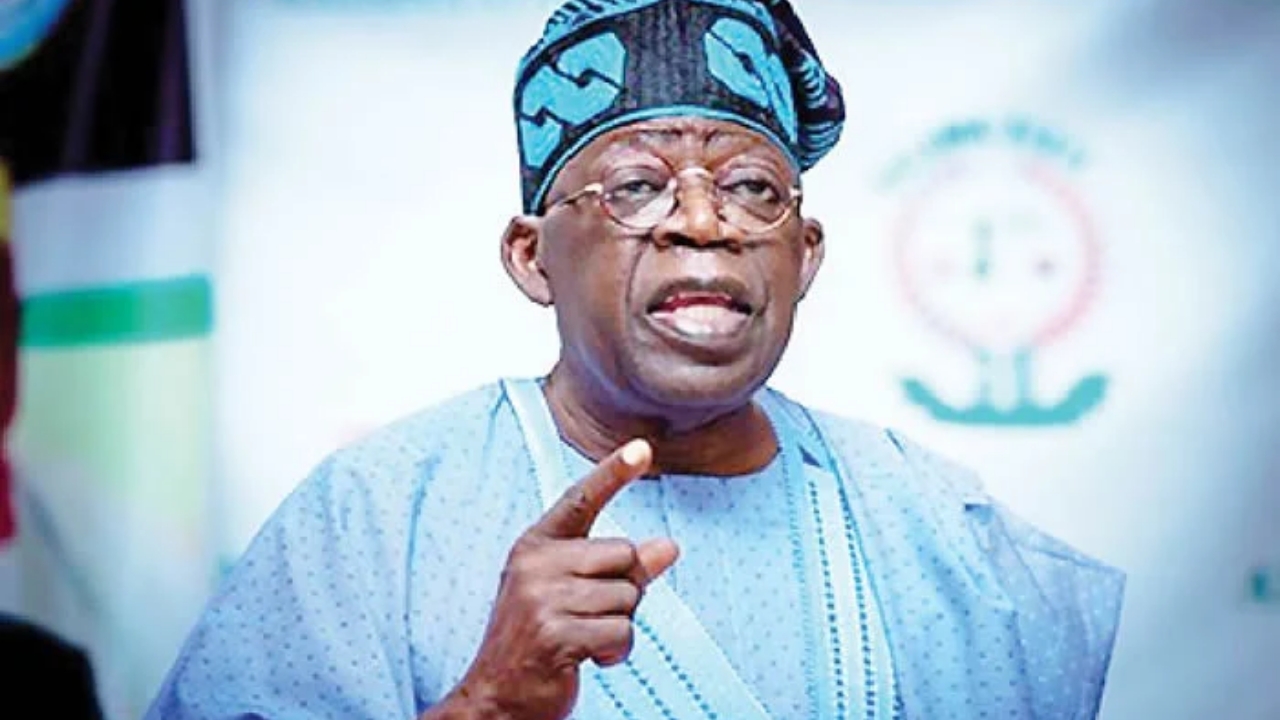
National News – Fresh diplomatic tensions have emerged as some countries, including Bola Ahmed Tinubu’s ambassadorial host nations, reportedly declined to accept several Nigerian envoys because of a policy tied to the remaining tenure of the sending government.
According to diplomatic sources, certain nations are hesitant to grant agrément—formal approval for ambassadors—if the administration nominating them has less than two years left in office.
Officials familiar with the matter revealed that India has signalled reluctance to accept Nigeria’s ambassador-designate, Ambassador Muhammad Dahiru, citing its long-standing diplomatic policy.
The rule discourages accrediting envoys from governments approaching the end of their mandate.
With Nigeria’s next presidential election scheduled for January 2027, some countries reportedly believe the remaining time may be too short for an ambassador to serve effectively.
Diplomatic insiders say the situation could affect several of the 65 ambassadors and high commissioners recently approved by President Tinubu.
Among those nominated are former Aviation Minister Femi Fani-Kayode, presidential aide Reno Omokri, and former Katsina State governor Abdulrahman Dambazau.
So far, only two postings have reportedly secured agrément: the United Kingdom for High Commissioner-designate Aminu Dalhatu and France for Ambassador Ayodele Oke.
Diplomatic experts say other countries may delay approval while assessing Nigeria’s political climate ahead of the next election cycle.
Under the Vienna Convention on Diplomatic Relations, a receiving state must approve any ambassador before they can assume duty.
Without that approval, envoys cannot present their letters of credence or begin official diplomatic work.
Former Nigerian envoy to Singapore, Ambassador Ogbole Amedu-Ode, described the hesitation from foreign governments as a pragmatic diplomatic calculation.
According to him, countries often consider political stability and tenure length before accepting ambassadors, especially when elections are close.
Analysts also say the delay in appointing ambassadors earlier in the administration may have contributed to the current diplomatic complications.
Nigeria recalled all its ambassadors in 2023, leaving many missions without substantive heads for over two years.
The development could further slow the government’s efforts to fully restore leadership across Nigeria’s 100-plus diplomatic missions worldwide while negotiations with host countries continue.


