By Our Correspondent
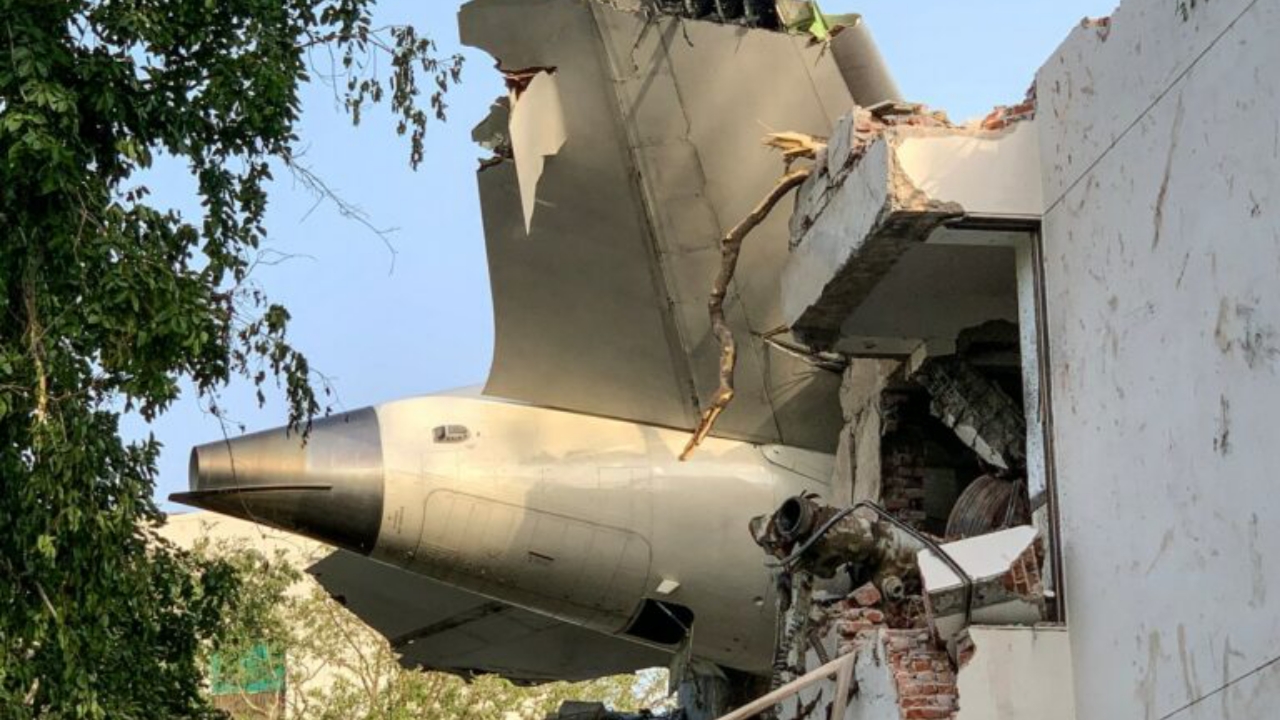
National News – Indian pilots have called for a deeper investigation into the deadly Air India crash that occurred on June 12, 2025, in Ahmedabad, India, raising fresh concerns over what truly caused the disaster.
The incident involved a Boeing 787-8 Dreamliner bound for London, which crashed shortly after takeoff, killing all 242 passengers onboard and additional victims on the ground, bringing the death toll to about 260.
The Federation of Indian Pilots (FIP), representing over 5,000 pilots, submitted a formal letter on May 1, 2026, to India’s aviation ministry.
In the letter, the group argued that a possible electrical failure—not pilot error—may have triggered the crash.
This development comes ahead of the final report expected from the Aircraft Accident Investigation Bureau (AAIB) within a year of the tragedy.
According to the preliminary report released on July 12, 2025, the aircraft’s fuel supply was cut off moments before impact, leading to speculation about pilot involvement.
However, investigators did not confirm whether the fuel switches were manually turned off or affected by a system malfunction.
The FIP insists that a “prelift-off electrical disturbance” could have caused unintended relay operations, leading to a dual engine fuel cut-off without any pilot input.
The group stressed that international aviation standards require all technical possibilities to be fully examined before attributing blame.
Premature conclusions could unfairly damage pilot reputations and overlook potential safety flaws in aircraft systems.
How the final investigation addresses these claims will determine whether further safety protocols or aircraft design reviews are needed.
With the final report expected soon, aviation experts and global stakeholders are closely watching to see whether the new hypothesis will reshape understanding of the crash and improve future air safety.