By Our Correspondent
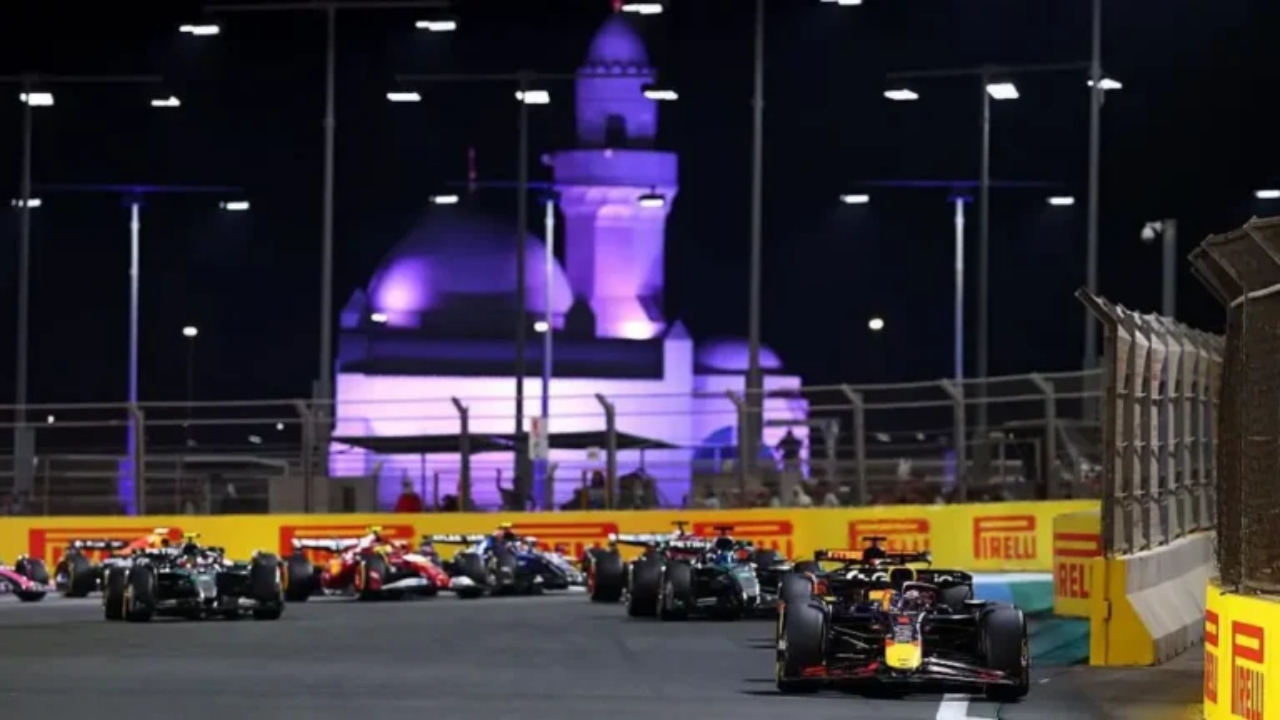
National News – Formula One authorities have cancelled the Bahrain Grand Prix and the Saudi Arabian Grand Prix following growing security concerns linked to the ongoing conflict in the Middle East.
Officials say the decision prioritises the safety of drivers, teams, staff, and fans as tensions in the region continue to escalate.
The cancelled races were originally scheduled for April on the 2026 Formula One calendar.
The Bahrain Grand Prix at the Bahrain International Circuit in Sakhir was set for April 10–12, while the Saudi Arabian Grand Prix in Jeddah was planned for the following weekend.
After assessing the security situation, Formula One’s governing body concluded that staging the races would pose significant risks.
FIA President Mohammed Ben Sulayem confirmed the decision, stating that protecting the wellbeing of everyone involved in the sport remains the organisation’s highest priority.
According to the federation, the cancellations were made after extensive consultations and security evaluations linked to the wider Middle East crisis.
With the removal of the two events, the 2026 Formula One championship calendar will now feature 22 races instead of the originally planned 24.
The adjustment also creates a longer break in the schedule, leaving a five-week gap between the Japanese Grand Prix in late March and the Miami Grand Prix scheduled for early May.
Formula One organisers reportedly considered alternative venues to replace the two races.
Circuits in Portugal, Italy, and Turkey were explored as potential substitutes.
However, logistical challenges, including travel arrangements, race preparation, ticketing, and tight scheduling for teams, made it difficult to organise replacement events at short notice.
Industry insiders estimate that the cancellations could cost the sport more than £100 million in hosting fees.
Bahrain and Saudi Arabia are among the highest-paying hosts on the Formula One calendar, and the fees are typically shared between teams and Formula One’s commercial rights holders.
Despite the financial impact, Formula One officials insist that safety considerations outweigh economic losses.
Teams are now expected to use the extended break in the season to analyse early race performances and continue developing their cars under the championship’s new engine regulations.