By Our Correspondent
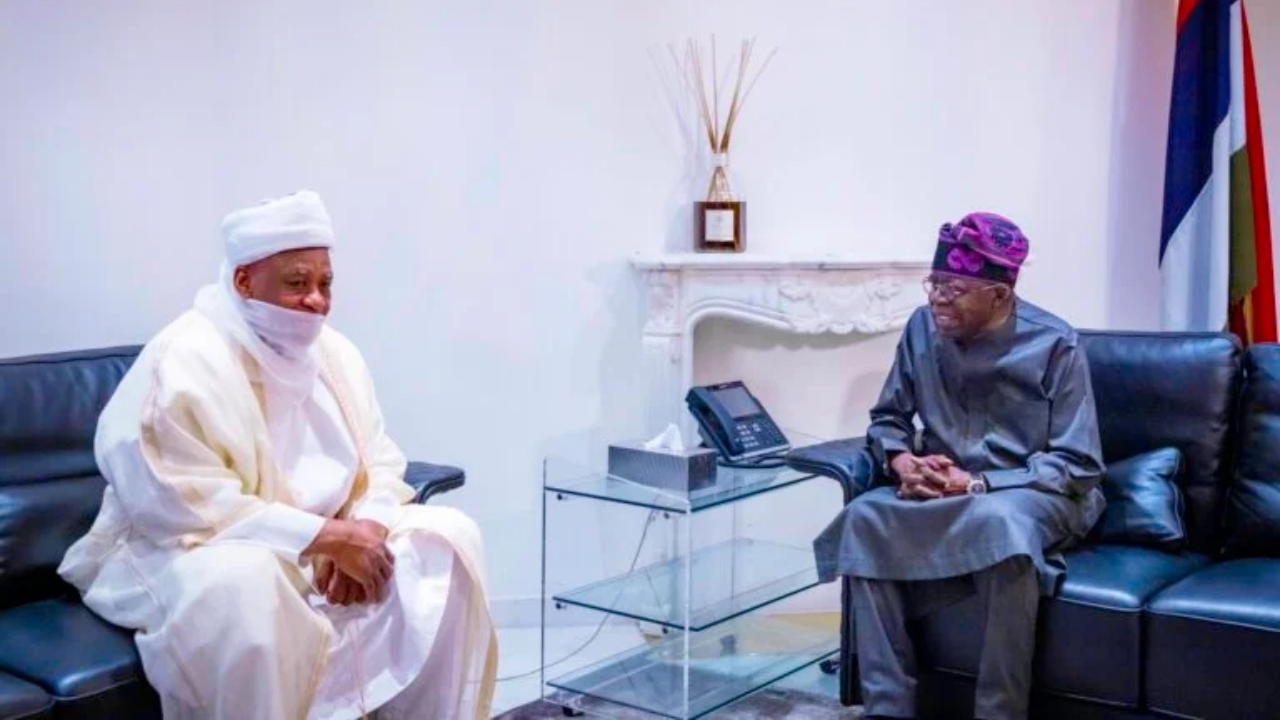
National News – The Sultan of Sokoto, Alhaji Muhammadu Sa’adu Abubakar III, on Sunday paid a courtesy visit to President Bola Ahmed Tinubu at the Presidential Villa in Abuja, Nigeria’s capital.
The high-profile meeting brought together two of the country’s most influential figures — the spiritual leader of Nigerian Muslims and the nation’s political head — in what observers see as a significant engagement for national dialogue and unity.
The visit was made public by the President’s Special Adviser on Information and Strategy, Bayo Onanuga, who confirmed the meeting through a post on social media.
He also shared official photographs from the visit, noting that the Sultan met with the President at the State House on Sunday, March 15, 2026.
The Sultan of Sokoto is widely regarded as the highest spiritual authority for Muslims in Nigeria and plays a key role in promoting peace, religious harmony, and national stability.
His visits to national leaders are often viewed as important engagements aimed at strengthening cooperation between religious institutions and the government.
Although the exact details of the discussion between the Sultan and President Tinubu were not disclosed, such courtesy visits traditionally provide an opportunity to discuss issues affecting the country.
These may include national security, interfaith relations, economic challenges, and strategies to foster unity across Nigeria’s diverse communities.
Political analysts say meetings between traditional rulers and elected leaders often help build bridges between government institutions and grassroots communities.
Traditional leaders like the Sultan command significant influence, particularly in northern Nigeria, and their support can be crucial in promoting peace and stability.
The visit also highlights the continued role of traditional institutions in Nigeria’s governance structure.
While they do not hold constitutional political power, traditional rulers frequently act as mediators, advisers, and advocates for their communities.
Observers believe that engagements of this nature reinforce the importance of dialogue between religious leaders and government officials, especially at a time when Nigeria continues to address security concerns and socio-economic challenges.
As of the time of reporting, the Presidency has not released additional information regarding the outcome or specific agenda of the meeting.