National News – Fresh violence in Mali has triggered global concern after coordinated attacks by jihadist fighters and Tuareg rebels targeted military positions across the country, including areas near the capital, Bamako, early Saturday.
The offensive, described as one of the most complex in recent years, reportedly led to the seizure of Kidal by rebel forces, deepening fears of a widening security breakdown.
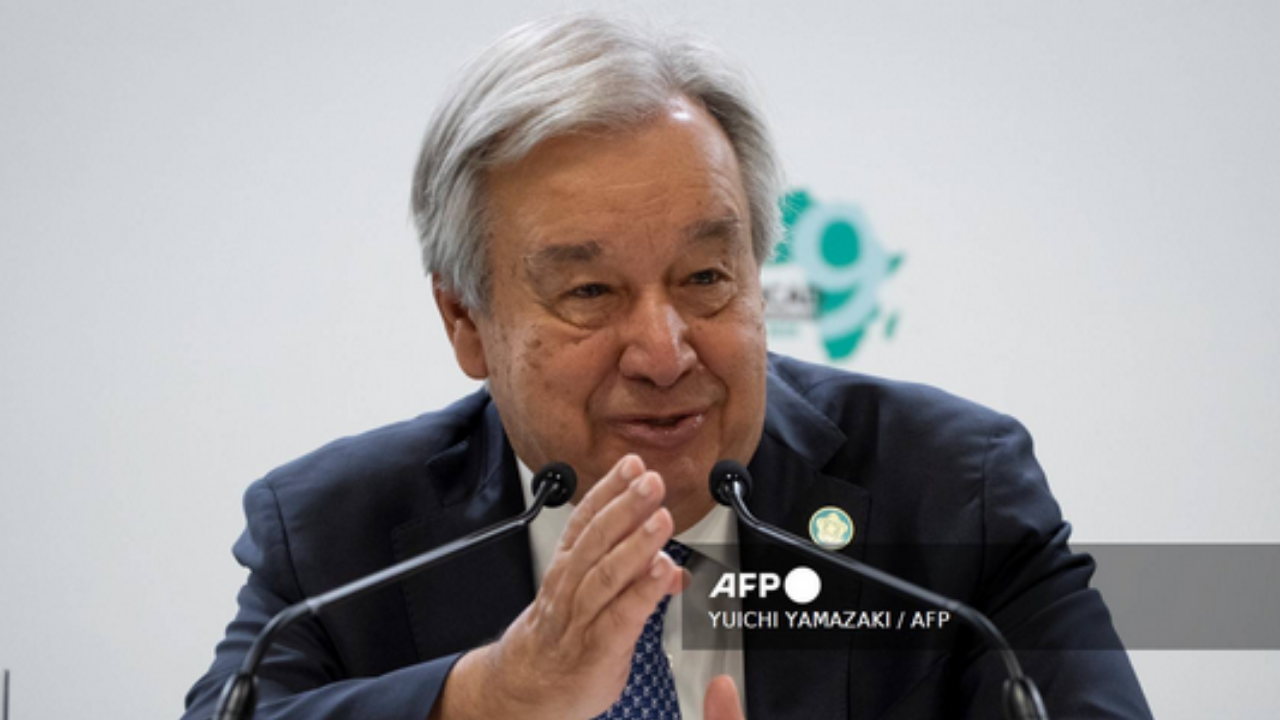
Reacting swiftly, António Guterres condemned the attacks, warning that the evolving threat of extremism in the Sahel now demands stronger international coordination.
Speaking through UN spokesperson Stéphane Dujarric, he stressed that beyond military responses, urgent humanitarian support is needed to protect civilians and stabilize affected communities.
The latest violence underscores a long-running crisis that began in 2012, when insurgent groups gained footholds in northern Mali.
Despite successive coups in 2020 and 2021 by a military junta that promised to restore order, armed groups have expanded operations, exploiting weak governance and regional instability.
Security analysts note that the alliance between jihadist factions linked to Al-Qaeda and separatist rebels signals a dangerous shift.
By combining ideological and territorial ambitions, these groups could prolong conflict and complicate peace efforts across the Sahel.
Local reactions across West Africa, including in Nigeria, reflect growing anxiety.
Many observers fear that persistent instability in Mali could spill across borders, worsening already fragile security conditions in neighbouring states.
Citizens and policy watchers alike are calling for proactive regional strategies rather than reactive interventions.
The implications are far-reaching. A prolonged crisis could disrupt trade routes, increase displacement, and strain humanitarian systems across the region.
It also raises questions about the effectiveness of current counterterrorism approaches and the role of international partners.
Ultimately, Guterres’ call highlights a critical reality: without coordinated global and regional action—combining security, governance, and development—the Sahel risks sliding deeper into prolonged instability.