By Jesse Ese
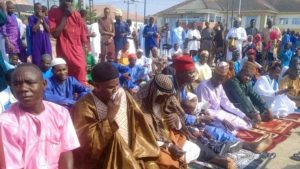
National News – In a country increasingly weighed down by terrorism, banditry, ethno-religious tension and endless bloodshed, the death of Imam Abubakar Abdullahi feels heavier than the passing of an ordinary cleric.
He may have passed to the great beyond, but his legacies continue to preach his message in the face of rising insecurity in Northern Nigeria; reminding the world that humanity is greater than religion, tribe or race.
At a time when religious identity is too often weaponized, Imam Abdullahi stood as a bridge between faiths.
The 90-year-old cleric, who died in Jos after a brief illness this year, became globally known not because he preached from a pulpit or sought political relevance, but because he chose courage over fear during one of the darkest moments in Plateau State’s history.
In June 2018, while violent attacks swept through communities in Barkin Ladi Local Government Area, many fled for their lives as armed men descended on villages, leaving death and destruction behind.
Amid the chaos, Imam Abdullahi did something extraordinary in a country deeply fractured along religious and ethnic lines: he opened his mosque and home to 262 Christians fleeing certain death.
They were not members of his faith. Many belonged to the Berom ethnic group. Yet to the Imam, they were human beings first.
Reports from survivors and witnesses revealed that the cleric stood at the entrance of the mosque and confronted armed attackers who demanded that the Christians hiding inside be surrendered.
He reportedly told them they would have to kill him first. That singular act transformed him from a local religious leader into a global symbol of compassion, courage and interfaith unity.
Today, he is still remembered across Nigeria, and the larger question confronting the nation is painful but necessary: where are the new Imam Abdullahis?
Nigeria is passing through one of the most difficult periods in its modern history. From Boko Haram insurgency in the North-East to recurring farmer-herder clashes in the Middle Belt, from bandit attacks in rural communities to sectarian killings and reprisals, thousands of innocent Nigerians have died simply because of who they are, where they worship, or the tribe they belong to.
In many instances, religion has become a line of division rather than a force for healing. Clerics sometimes inflame tensions instead of calming them.
Politicians exploit differences for electoral gain. Communities live with deep suspicion of one another. Yet Imam Abdullahi represented a different Nigeria — a Nigeria many citizens still desperately hope for.
He showed that faith should protect life, not justify violence. He demonstrated that true leadership is measured not by titles or influence, but by sacrifice. More importantly, he proved that coexistence is not a myth in Nigeria; it is possible when people choose humanity over fanaticism.
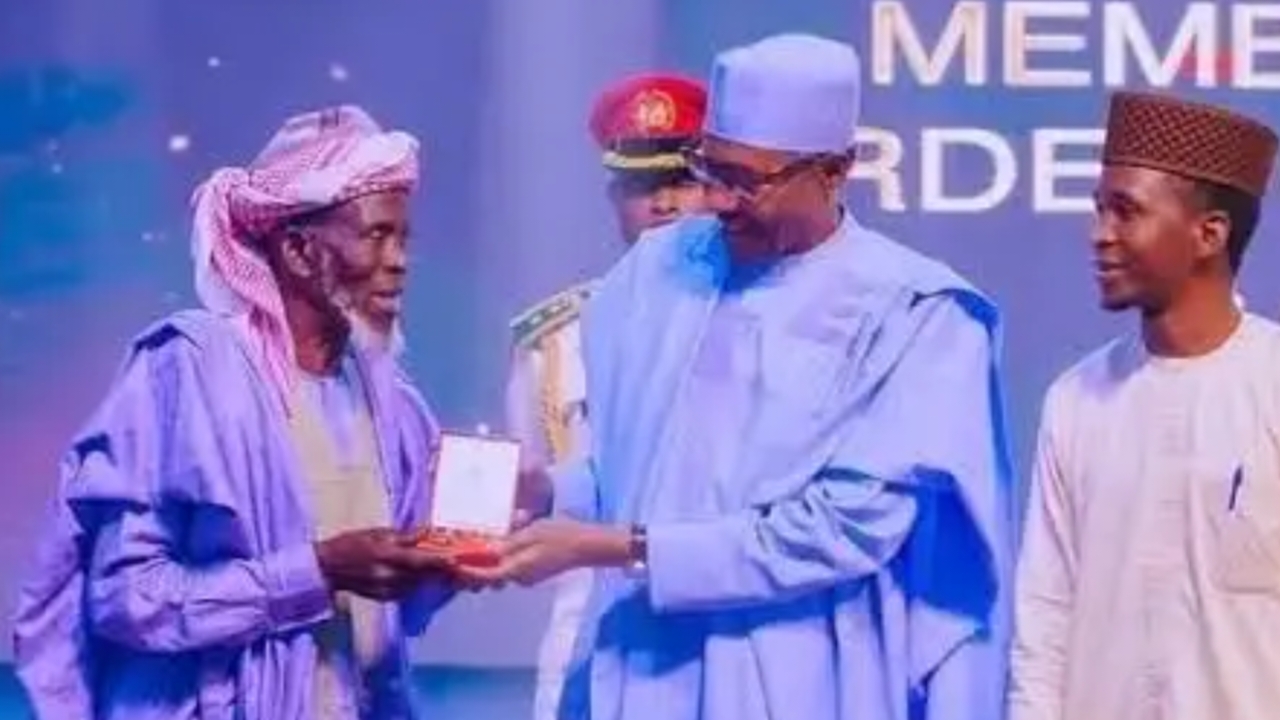
His recognition by the United States Department of State in 2019 with the International Religious Freedom Award brought international attention to his bravery, but for many Nigerians, the real award was the hope his actions restored in a deeply polarized society.
That hope is needed now more than ever.
Across Nigeria, there are communities where Muslims and Christians have lived peacefully for generations before conflict merchants sowed seeds of division.
There are young Nigerians tired of hate and desperate for a future built on peace.
But these voices are often drowned out by extremists, violent actors and divisive rhetoric.
This is why Imam Abdullahi’s life matters beyond the headlines surrounding his death. His story should not merely be remembered as an emotional moment in history; it should become a national lesson.
Nigeria does not need more religious superiority contests. It does not need more inflammatory sermons or politicians who profit from division. It needs more men and women willing to defend humanity at personal cost.
It needs more leaders who see people before tribe. More clerics who preach compassion louder than intolerance. More citizens brave enough to reject narratives of hate.
The late Imam’s greatest legacy may not simply be the 262 Christians he saved in 2018. His greatest legacy may be the message he left behind: that one courageous act of humanity can shame violence, silence hatred, and inspire millions.
He has since been laid to rest in Nghar village, but Nigeria must decide whether his story will remain a beautiful exception — or become the example the nation finally chooses to follow.
For a country bleeding from division, the answer may determine its future.