By Our Correspondent
National News – The World Health Organization (WHO) has declared an Ebola outbreak in the Democratic Republic of Congo (DRC) a Public Health Emergency of International Concern after a surge of suspected and confirmed cases in the eastern Ituri province.
It affects about 246 suspected cases and at least 80 deaths, with eight laboratory-confirmed infections, according to health officials.
The outbreak has also been reported beyond DR Congo, with confirmed cases in neighbouring Uganda and one case linked to Kinshasa, raising regional concern.
It is caused by the Bundibugyo strain of Ebola virus, for which no approved vaccine or specific antiviral treatment currently exists, making early detection critical.
Early symptoms include fever, headache, muscle pain, fatigue and sore throat, followed by vomiting, diarrhoea and possible bleeding.
The WHO warned that insecurity, population movement, mining towns and weak health systems increase the risk of wider regional spread across Central Africa.
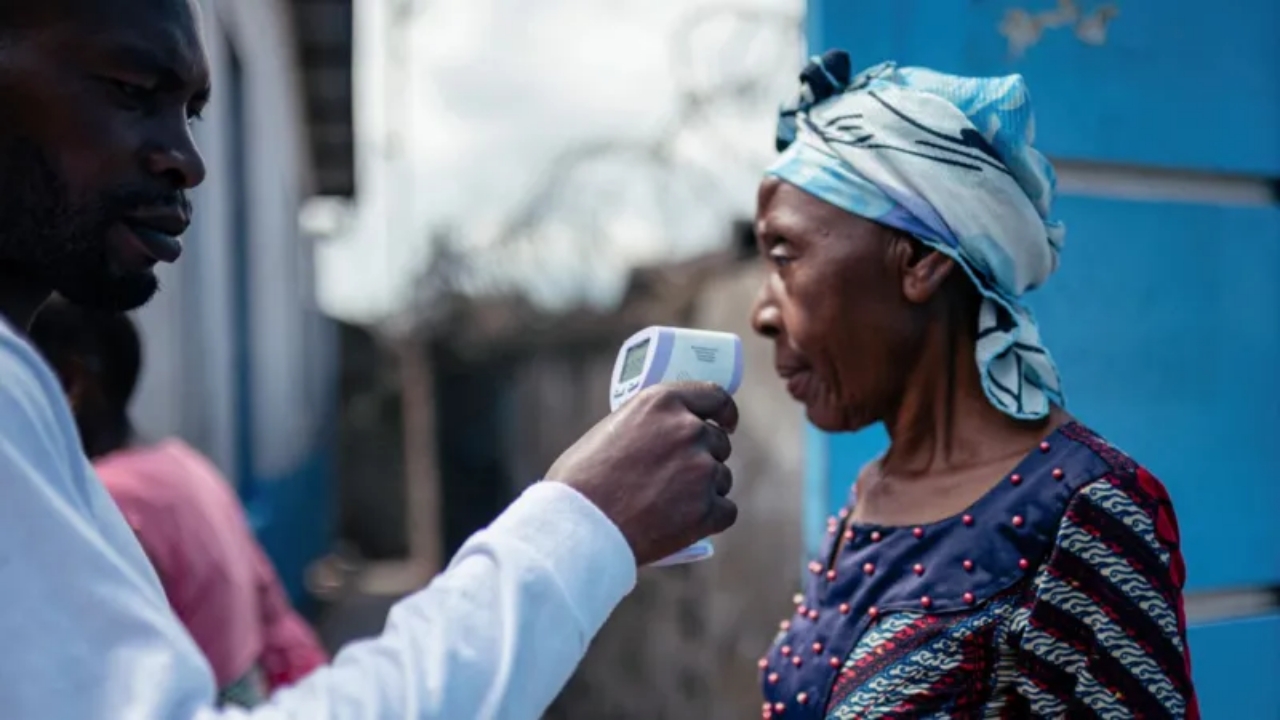
It spreads through direct contact with infected bodily fluids and contaminated surfaces, and authorities are implementing isolation, contact tracing and emergency surveillance measures.
WHO advised against border closures, urging countries to strengthen monitoring instead of travel restrictions.
Officials warned that the true scale of infections remains uncertain, and rapid coordination between DR Congo, Uganda and neighbouring states is essential.
Ebola was first identified in 1976 in what is now DR Congo and has since caused repeated outbreaks across Africa, with an average fatality rate of about 50 percent.
Health experts say the current outbreak is the 17th recorded in the country highlighting ongoing vulnerabilities in conflict-affected regions.
The Africa Centres for Disease Control and Prevention noted that urban mining hubs and displacement have increased transmission risks.
Authorities continue to expand treatment centres, improve cross-border coordination, and deploy rapid response teams to contain further spread in eastern and central Africa.
The declaration aims to mobilise international support and funding for surveillance vaccines research and emergency healthcare response.
Officials stress continued vigilance is needed to prevent cross-border spread into densely populated cities across Africa.