By Our Correspondent
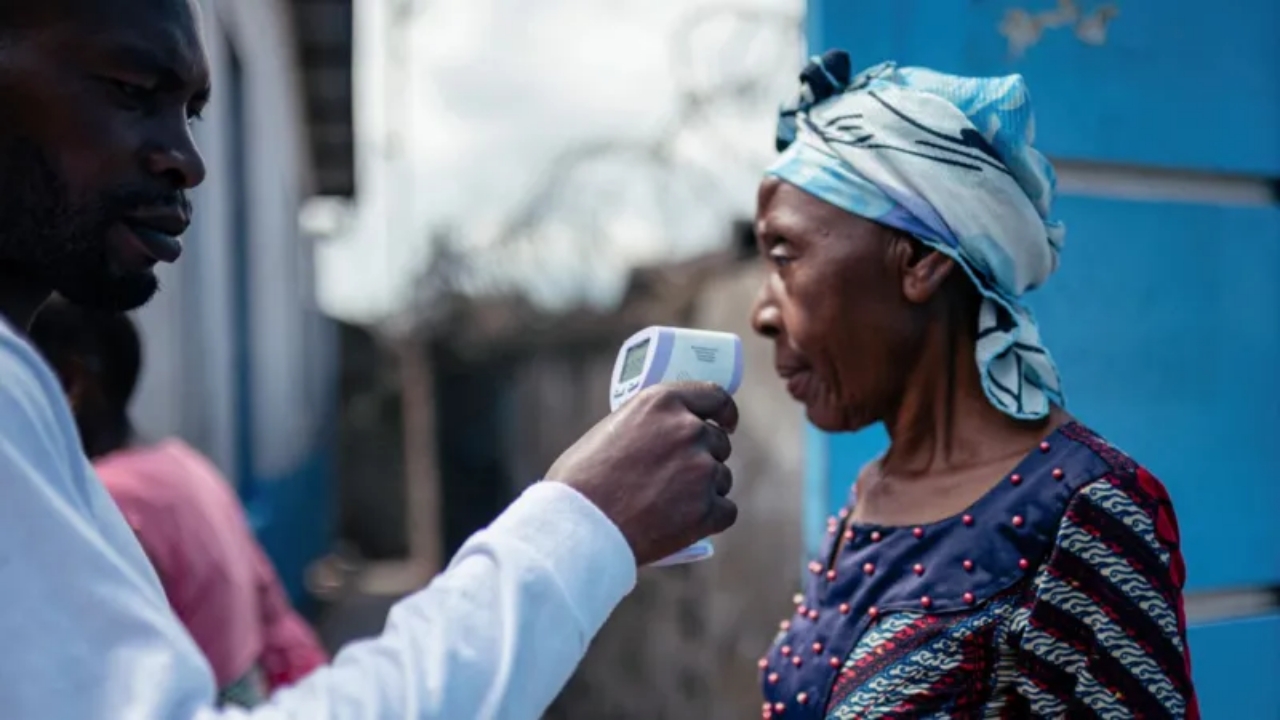
National News – The World Health Organization (WHO) has warned that Ebola infections in the Democratic Republic of Congo and Uganda are expected to rise as surveillance reveals a rapidly expanding outbreak.
Authorities report 600 suspected cases and 139 suspected deaths, with 51 confirmed in DR Congo’s eastern Ituri and North Kivu provinces, and two confirmed cases in Uganda linked to travel from Congo.
The virus, identified as the rare Bundibugyo strain, is believed to have begun spreading months ago, likely undetected due to symptoms resembling malaria and typhoid.
WHO Director-General Dr Tedros Adhanom Ghebreyesus said the epidemic risk is high nationally and regionally but low globally, while confirming healthcare workers have been affected.
Conflict in eastern DR Congo, delayed detection, and limited medical resources have worsened containment efforts, while no approved vaccine or specific treatment exists for this strain.
The WHO has declared the situation a public health emergency of international concern, though it stresses the outbreak is not yet a global pandemic.
Officials say this is the Democratic Republic of Congo’s 17th recorded Ebola outbreak, with the Bundibugyo strain posing additional challenges due to the absence of an approved vaccine or targeted treatment.
Two cases confirmed in Uganda’s capital Kampala were traced to cross-border movement from DR Congo, raising regional concern about wider transmission.
Health authorities are racing to trace contacts and strengthen surveillance in Ituri and North Kivu, where mining towns and conflict zones are complicating response efforts.
Experts warn that delayed detection, combined with symptoms similar to malaria and typhoid, has allowed the virus to spread undetected for weeks.
The WHO says risk remains high locally but low globally, urging continued vigilance and coordinated containment measures.