By Our Correspondent
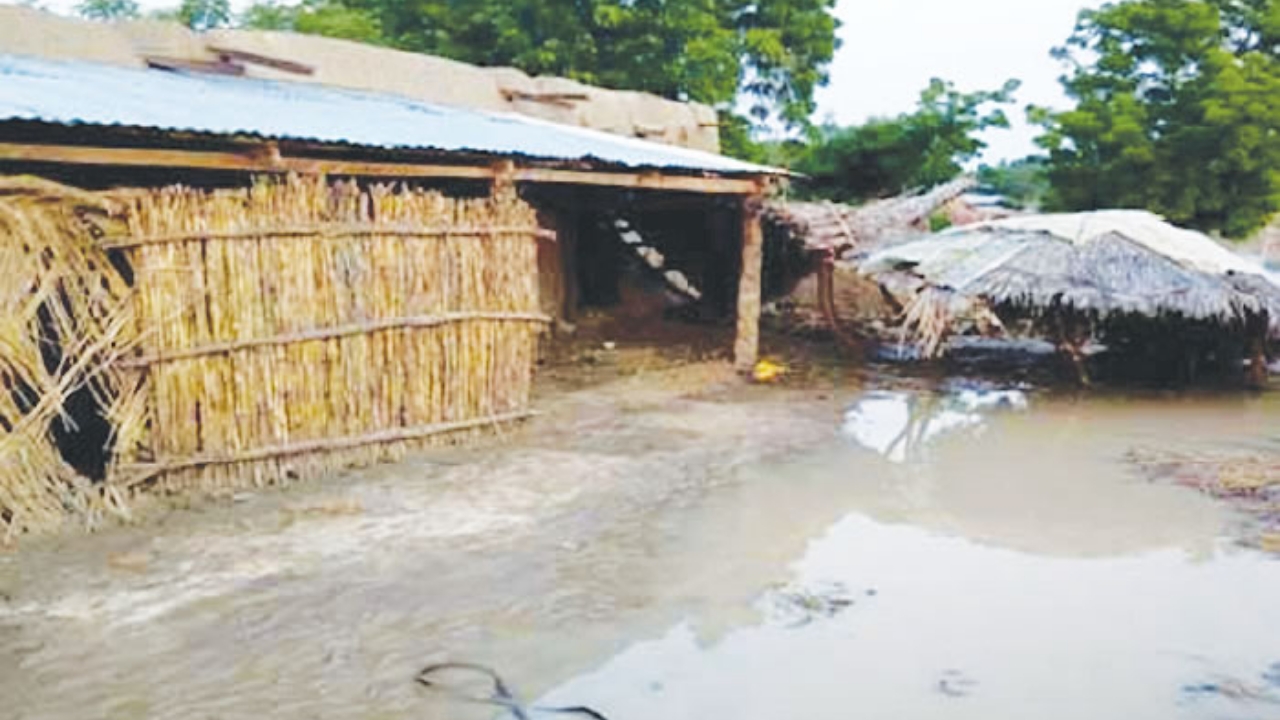
National News – Humanitarian organisation Médecins Sans Frontières has warned that the rainy season is worsening disease outbreaks and food shortages in Zamfara State.
The group said thousands of vulnerable residents now face a growing health and humanitarian crisis.
MSF raised the alarm on Monday, saying flooding, poor sanitation and contaminated water are fueling the spread of malaria, cholera, typhoid and acute malnutrition across affected communities in northwestern Nigeria.
The organisation explained that displaced families living in overcrowded settlements are struggling to access healthcare, clean water and food supplies as the rainy season intensifies between May and September.
MSF disclosed that it treated 136,778 malaria patients and 13,877 cholera cases in Zamfara during 2025.
The medical charity described the situation as alarming, especially for children and pregnant women.
MSF Nursing Activity Manager, Sani Adamu, said stagnant floodwater creates breeding grounds for mosquitoes, leading to a sharp rise in malaria infections.
He added that floods also contaminate water sources with waste and faecal matter, increasing outbreaks of waterborne diseases.
The organisation further revealed that it treated 60,566 malnourished children in Zamfara last year.
According to MSF, hunger levels often worsen during the annual lean season when food supplies become scarce.
MSF also cited the case of a child from Shinkafi Local Government Area who developed severe typhoid complications after consuming contaminated food and water.
The child later underwent emergency surgery at an MSF-supported hospital in Zurmi.
Residents affected by insecurity and displacement described worsening living conditions during the rainy season.
A displaced mother, Saratu, said many families sleep outdoors without mosquito nets, exposing children to repeated malaria infections.
MSF urged authorities and humanitarian partners to improve access to clean water, sanitation, vaccination campaigns and healthcare facilities.
The organisation stressed that many of the illnesses and deaths recorded during the rainy season are preventable.