
Did You Know?
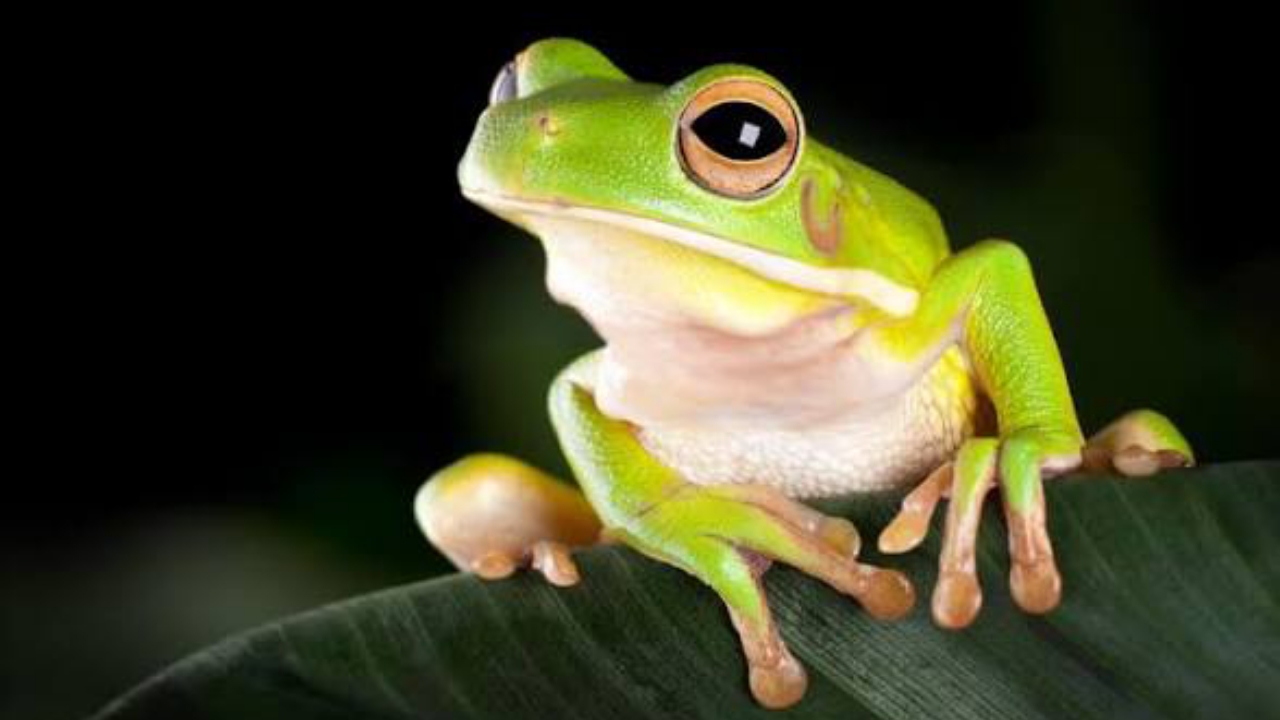
Green tree frogs are among the most visually striking amphibians in the natural world, known for vibrant green skin and rare blue or yellow pigment variations.
These color morphs are influenced by genetics, diet, and environmental conditions, making them important subjects in wildlife research and biodiversity documentation.
Found across tropical and subtropical regions, they thrive in humid forests, wetlands, and vegetation-rich habitats.
Their sticky toe pads allow them to climb smooth surfaces with ease, helping them survive in elevated canopy environments.
Scientists also study them as indicators of ecosystem health due to their sensitivity to pollution and climate change.
Green tree frogs are widely distributed across rainforest and wetland ecosystems, where they play a key ecological role by controlling insect populations.
Their coloration helps them blend into leaves and branches, providing protection from predators such as birds and reptiles.
During rainy seasons, their activity increases as they become more vocal and active in breeding cycles.
Males often produce distinct calls to attract mates, contributing to the soundscape of tropical environments.
Researchers also highlight their value in ecological monitoring, as changes in their population can signal habitat degradation or environmental stress.
Their presence supports balanced food chains and healthy ecosystem function in biodiversity-rich regions.
Conservation awareness for green tree frogs focuses on protecting wetlands, forests, and freshwater habitats from pollution, deforestation, and climate change impacts.
As amphibians are highly sensitive to environmental changes, they are considered early warning species for ecosystem decline.
Wildlife organizations emphasize habitat restoration and sustainable land use to support population stability.
Eco-tourism and amphibian photography also contribute to conservation funding by raising public interest in these unique species.
Continued research into amphibian health helps scientists understand broader environmental shifts affecting global biodiversity.
Now, you know.
National News