By Our Correspondent
National News – The Ebola outbreak in the Democratic Republic of Congo (DRC) has intensified in May 2026 as armed conflict in eastern Ituri province disrupts containment efforts.
The World Health Organization (WHO) warned of a “catastrophic collision of disease and conflict,” saying insecurity is preventing health workers from tracing infections and isolating patients.
WHO Director-General Dr Tedros Adhanom Ghebreyesus said displacement, poor access, and attacks on health facilities are driving transmission.
About 220 suspected deaths have been recorded, with the virus spreading in remote communities with limited road access.
The outbreak involves the rare Bundibugyo strain of Ebola, for which no approved vaccine or treatment currently exists, raising urgent humanitarian concerns.
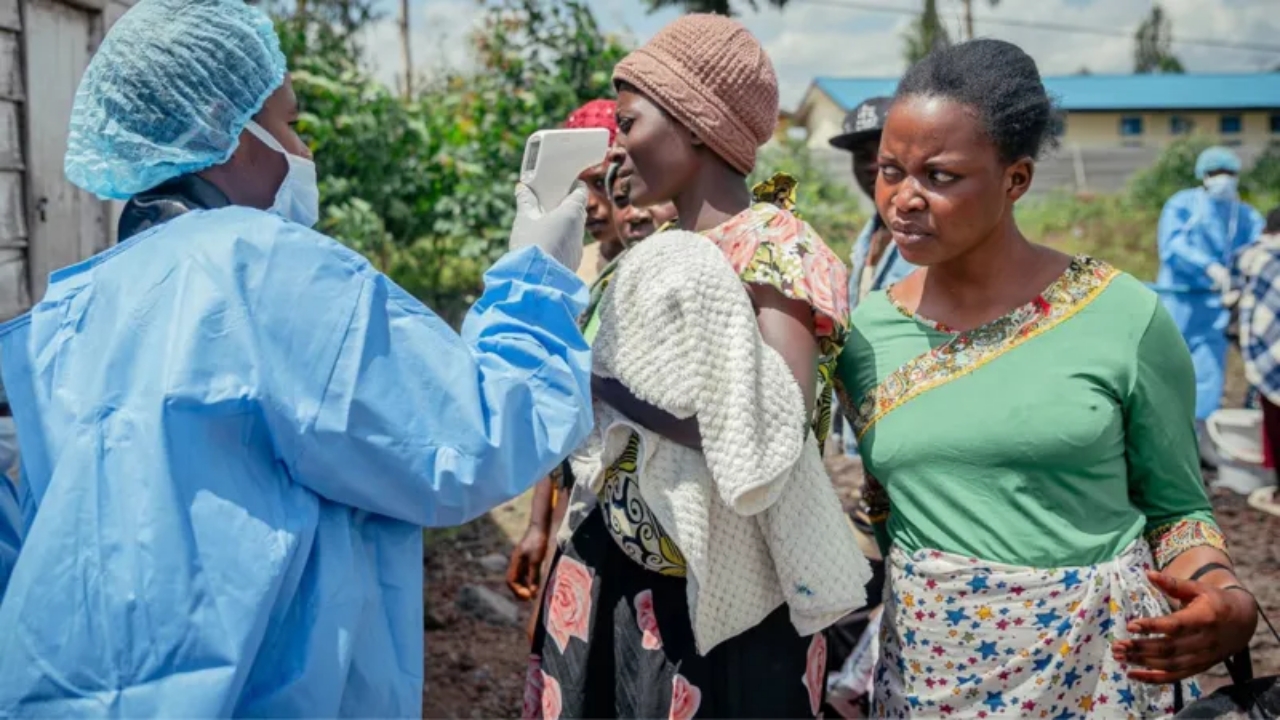
Health authorities and aid groups report nearly 1,000 people showing symptoms consistent with Ebola, while around 3,600 contacts are being traced across affected regions.
Médecins Sans Frontières (MSF) says insecurity, poor transport infrastructure, and limited testing capacity are slowing response efforts in Ituri, where most cases are concentrated.
The European Centre for Disease Prevention and Control (ECDC) has deployed additional experts to support containment operations.
The United States, Canada, and the Bahamas have introduced travel restrictions targeting people from DR Congo, Uganda, and South Sudan to limit cross-border spread.
Uganda has also reported isolated cases linked to travellers from Congo, raising regional concern.
WHO says the outbreak response is being severely hampered by ongoing fighting and weak infrastructure in eastern DRC.
Tedros has urged an immediate ceasefire to allow humanitarian teams safe access, warning that mass displacement is pushing exposed contacts into overcrowded camps and breaking transmission tracking systems.
Health officials also admit the full scale of the outbreak remains unclear due to limited laboratory confirmation and insufficient testing capacity.
Experts warn that without rapid diagnosis, improved access, and coordinated emergency support, the virus will continue to outpace containment efforts, deepening the public health emergency in the region.