By Our Correspondent
National News – Gulf nations have declared a unified stance calling for the de-escalation of the ongoing Middle East conflict after Iran launched fresh missile and drone attacks against neighbouring countries.
Qatar confirmed the position on Tuesday as tensions continued to rise across the oil-rich Gulf region following weeks of military exchanges involving Iran, the United States and Israel.
Qatar’s Foreign Ministry spokesman, Majed Al-Ansari, said Gulf countries agreed that reducing hostilities and ending the war was critical to regional stability.
Speaking during a regular press briefing, he explained that governments across the Gulf now see the conflict as a collective security threat and are pushing for urgent diplomatic efforts to calm the situation.
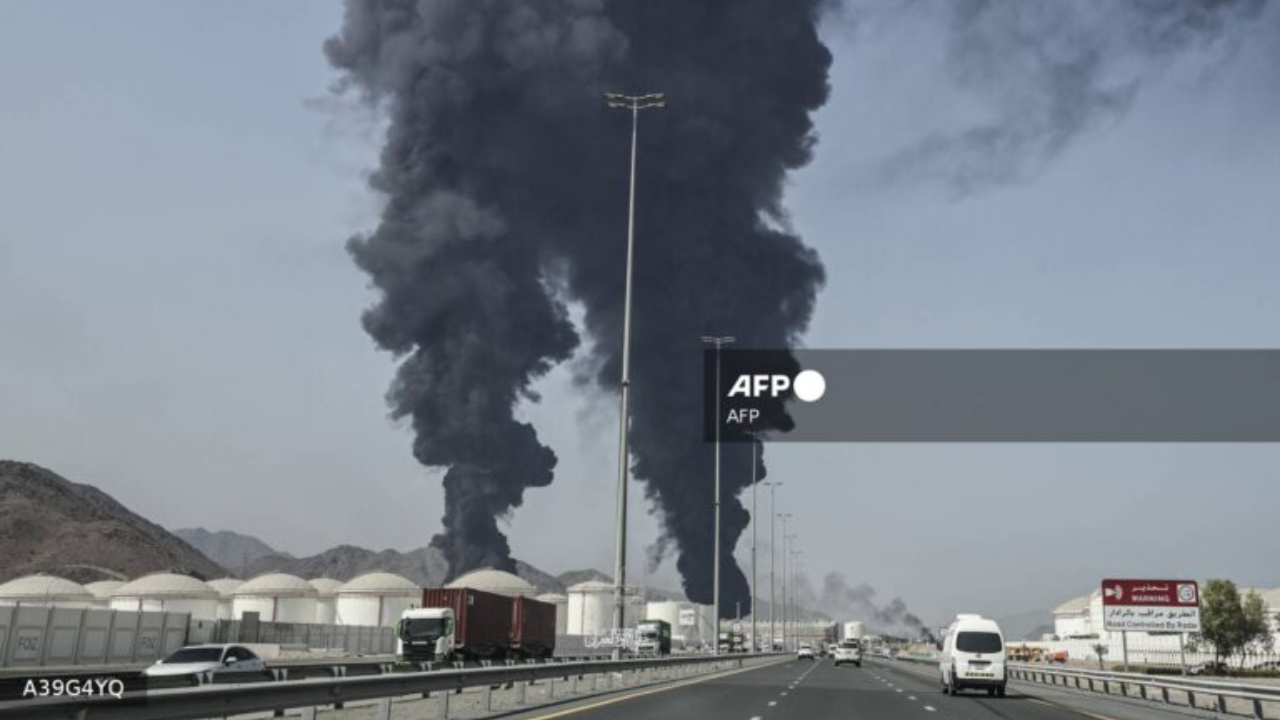
The conflict intensified after Iran carried out strikes targeting energy infrastructure in several Gulf states.
The attacks came in response to earlier military operations by the United States and Israel, which began in late February and have since escalated into broader regional tensions.
Another major concern is the strategic Strait of Hormuz, one of the world’s most important oil shipping routes.
Iran has effectively restricted passage through the strait amid the ongoing military operations.
Roughly one-fifth of global oil shipments normally pass through this narrow waterway, making its disruption a serious concern for global energy markets.
On Monday, an Iranian parliamentary committee voted to impose tolls on vessels passing through the Strait of Hormuz and to completely ban ships from the United States and Israel.
Analysts warn that such measures could further destabilise international trade and increase global oil prices if tensions persist.
Al-Ansari confirmed the waterway is currently affected by the conflict, saying it remains closed due to military operations.
However, he added that decisions regarding the future management of the strait would likely involve regional governments and international partners working together.
Despite the shared call for de-escalation, divisions have emerged among Gulf states on how to deal with Iran.
The United Arab Emirates has taken a tougher stance, insisting that a simple ceasefire will not resolve the crisis.
UAE ambassador to Washington, Yousef Al Otaiba, recently argued that any long-term solution must address Iran’s nuclear ambitions, missile programmes, drone attacks, and its support for regional militant groups.
He also indicated the UAE is ready to participate in an international effort aimed at reopening the Strait of Hormuz to secure global shipping routes.