
Did You Know?
Earthworm regeneration is one of nature’s most fascinating biological processes, often misunderstood in popular science discussions.
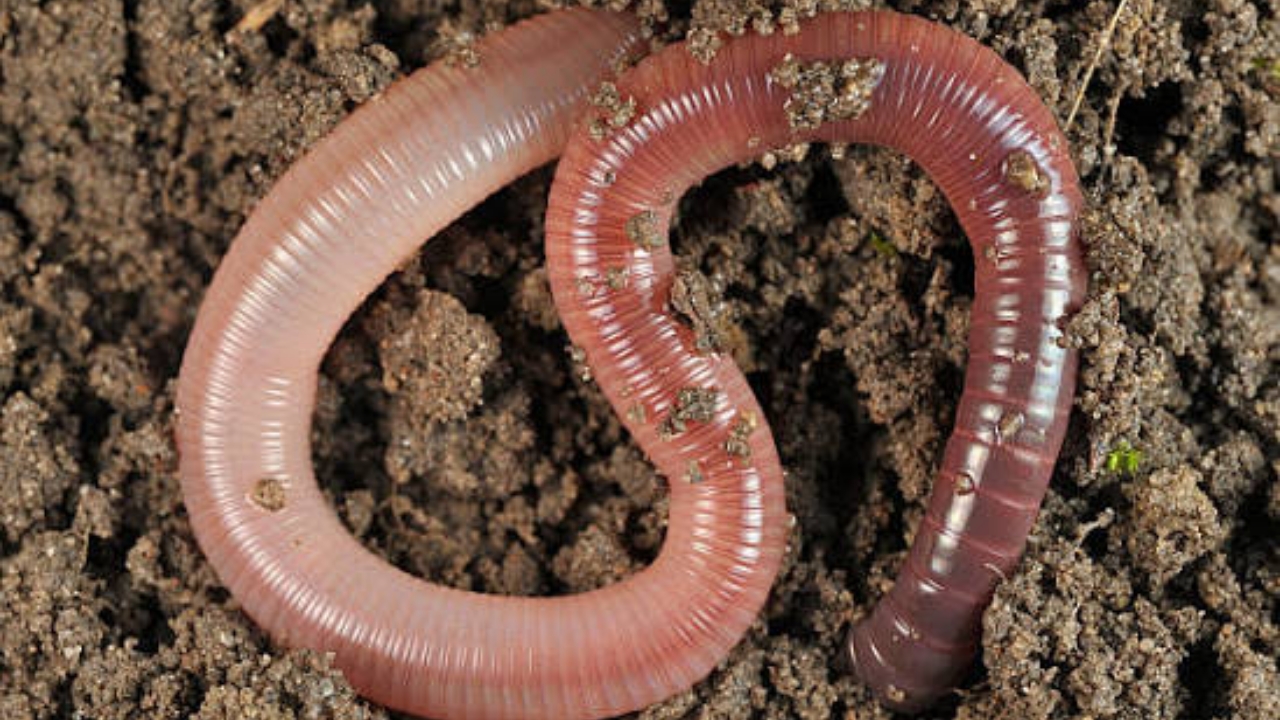
When certain species of worms are cut widthways, they may exhibit regenerative abilities, but this does not mean every segment survives or becomes a new organism.
In particular, earthworms can sometimes regrow lost tails under specific conditions, depending on the species and the location of injury.
However, the idea that any cut piece becomes a complete worm is a myth.
Scientific studies on invertebrate regeneration biology show that only certain segments retain the ability to heal and regrow tissue, and survival rates vary widely.
A more remarkable example is the planarian flatworm regeneration process, where even a tiny fragment of tissue can regenerate into a fully functional organism with complete body systems.
This ability has made planarians a key subject in regenerative medicine research and stem cell biology.
Recent scientific insights into worm regeneration and invertebrate biology continue to attract global attention, particularly in studies focused on earthworm regenerative capacity and planarian flatworm regeneration mechanisms.
Researchers emphasize that worm cutting myths often circulate online, but controlled laboratory experiments confirm that regeneration depends heavily on species type, injury location, and cellular specialization.
In earthworms, partial regeneration of tails can occur, yet full body regeneration is not typical.
Meanwhile, planarians remain a model organism for studying stem cells due to their extraordinary ability to rebuild entire organs from minimal tissue fragments.
This research has significant implications for regenerative medicine, including potential applications in tissue engineering and wound healing therapies.
Scientists also note that understanding invertebrate regeneration biology helps improve knowledge of cellular differentiation and genetic repair processes.
Public awareness campaigns encourage accurate reporting and discourage misinformation regarding animal regeneration capabilities.
Further studies are ongoing in universities and biological institutes worldwide, with promising results that may one day contribute to advanced medical breakthroughs.
These findings highlight the importance of continued research funding and interdisciplinary collaboration across life sciences.
Such discoveries may reshape future regenerative treatments globally.
Further clinical trials are expected.
Now, you know.
National News